Logo Eara

Mice

AuthorEARA team
Mice are widely used in research because they share many biological and genetic features with humans, allowing scientists to study disease development and test potential treatments in a whole living organism. 
Mice are among the most widely used mammals in biomedical research, playing a central role in advancing science and medicine. Without mice, our understanding of infectious diseases, cancer neurodegenerative disorders, metabolic conditions and basic biology would be far more limited.  
Because mice share many biological and genetic similarities with humans, researchers can observe disease development and test potential therapies in a living organism before trials in humans. Their size, lifespan and well-understood genetics make them ideal for many types of research.  
This feature outlines the key research areas where mice are particularly valuable, the insights gained and ongoing efforts to replace, reduce and refine their use wherever possible.

Why are mice used in research?

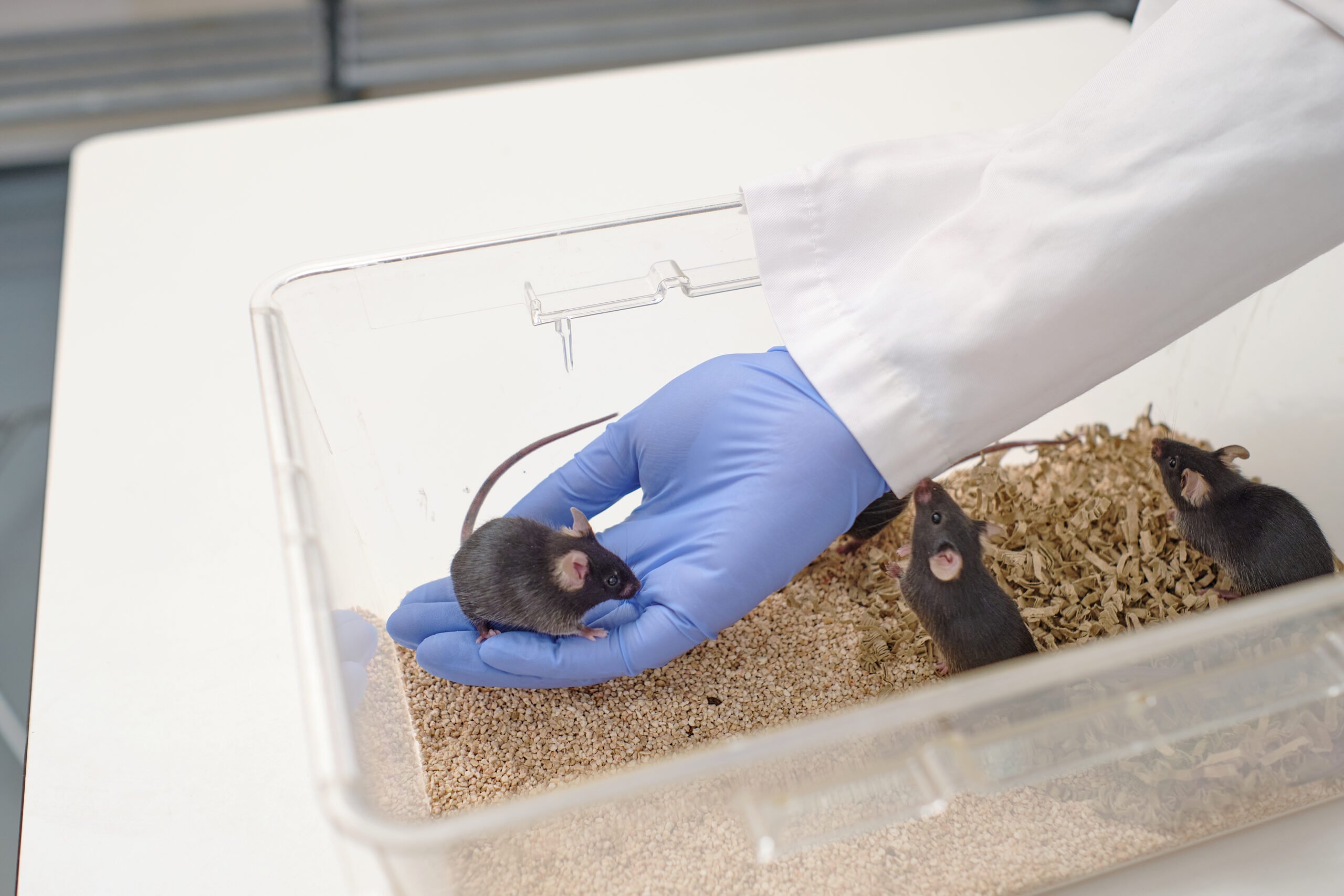
Media Bank Image
Mice share many biological, physiological and genetic features with humans. Around  95% of mouse genes have a human counterpart, allowing researchers to study how specific genes can influence health and disease.  
The mouse genome, meaning its complete set of DNA, has been fully mapped, and researchers can switch genes on or off to study their function. This makes genetically altered (GA) mice particularly valuable for mimicking human and veterinarian diseases. 
Mice have a lifespan of 2–3 years, enabling researchers to observe disease progression or treatment effects over a full life course in a shorter period than in humans. Their rapid reproduction and large litters support studies across generations, which is especially useful for research on ageing, vaccines and hereditary conditions. 
Their small size means they require less space and fewer resources compared with larger mammals, and many procedures can be refined to minimise discomfort. In some studies, mice can also replace larger animals entirely. 
Genetically altered and humanised mice allow scientists to mimic or introduce human traits or diseases more accurately. Humanised mice carry selected human genes, cells or tissues to study conditions that cannot be investigated in standard mice or humans. These GA mice are especially useful in immunology, infectious diseases and cancer research.  
Because of the current technical limitations of gene editing, not every GA animal that is bred for this purpose can be guaranteed to display the genetic mutations or characteristics that were intended for a particular type of research. It means therefore that they are bred but not used in research. The ’bred but not used’ process is currently being refined through the use of powerful and accurate gene editing tools, such as CRISPR, that can directly edit mouse embryos to reduce the number of animals that are needed. You can read more about the numerous diseases that have been studied using CRISPR mice in this article.
Researchers do conduct studies on humans, but not to the extent that is possible in mice. For instance, mice can be fed identically and with tightly controlled diets or be inbred to target the effect of different procedures on the same individuals, which would be considered unacceptable using humans. It would also be too dangerous to test compounds and drugs on people without first knowing what the possible effects (and risks) would be, so animals such as mice are needed to fulfil this crucial role in toxicity and safety testing, in everything from experimental cancer drugs to vaccines.  
Is research on mice and rats the same thing? 
Rats are also a very common animal used in biomedical research alongside mice, but even though the two might seem similar, there are some important differences when it comes to what they bring to research. Mice and rats have different cognitive and social behaviours, and react differently to stress, handling and certain drugs and substances, all of which mean that one is more suitable over the other, depending on the type of research. Rats are more intelligent than mice, for example, making them better models for conditions like addiction.  

Which areas of research use mice?

Infectious diseases 
Infectious diseases such as influenza, hepatitis, Ebola and coronaviruses pose major risks to global health. Understanding how these pathogens invade the body, spread and activate the immune system is essential for developing effective vaccines, antiviral drugs and public-health interventions. 
Mice have been central in understanding infectious diseases. While human cell studies revealed isolated events, only living animals capture dynamic interactions between organs, tissues and the immune system during infection. Genetically altered and humanised mice allow research into pathogens that do not naturally infect mice and mimic human disease progression. 

Mice were essential during the Covid-19 pandemic, enabling the rapid development of effective vaccines and treatments. Humanised mice expressing the human ACE2 receptor were used to understand SARS-Cov-2 entry, immune response and vaccine effectiveness.  
Years before the Covid-19 pandemic, mice had already been used to gain important insights about other related diseases, such as SARS, which caused deadly widespread outbreaks in the early 2000s, and MERS, which first emerged in 2012. It was thanks to these earlier studies that researchers could study how the SARS-CoV-2 virus infected human cells, without needing to start from scratch with a new mouse model that would have inevitably slowed the pace of Covid-19 research.   
Humanised mice for Covid-19 allow researchers to answer key questions about the virus itself, such as how it begins to infect organisms and is transmitted from one body to another, how an infected host’s immune response reacts, as well as the short- and long-term effect of various treatments and experimental vaccines. All of these aspects are needed to shed light on how the disease works in order to develop effective drugs and measures against it.  

Cancer 
Cancer is a broad group of diseases caused by uncontrolled cell growth. Understanding how tumours form, spread and respond to treatments is essential for developing targeted therapies, improving survival and reducing side effects. Research using mice has contributed to many of the most significant advances in cancer detection and treatment over the past decades, improving the survival rates of many types of cancer. 
Mice are central to cancer research due to their genetic similarity to humans and the ability to replicate tumour behaviour in a whole organism.   

Research in mice contributed to the development of a type of immunotherapy cancer treatment, which uses the body’s immune system to attack and kill cancer cells (called immune checkpoint inhibitors). This work was recognised by the 2018 Nobel Prize in Physiology or Medicine.  

Brain research and neurodegenerative diseases   
Neurodegenerative and neurological diseases, such as Alzheimer’s disease, Parkinson’s disease, motor neurone disease and Huntington’s disease, affect millions of people worldwide. These conditions often develop slowly over many years and involve complex and progressive changes in brain cells. Understanding how these processes begin, how they evolve and how they affect behaviour is essential for developing effective treatments. 
Although mouse brains are smaller and simpler than human brains, they share many of the same genes, biological pathways and cell types. This allows researchers to reproduce aspects of human neurodegenerative diseases by introducing human genetic mutations, monitoring how these changes affect the brain over time and testing whether potential treatments can prevent or reverse damage.Because most neurological diseases involve changes across different regions of the brain, and often affect the immune system, metabolism and behaviour, only studies in living organisms can capture the full progression of each disease and its symptoms. 

Mice have been used to study depressive behaviours and symptoms, which in turn can help to identify targets in the brain for drugs that reduce the effects of depression. For example, research in mice and cells at EARA member the University of Helsinki, Finland, found that the psychedelic drugs LSD and psilocin can be used as antidepressants without triggering hallucinations. Scientists from the University of Hong Kong and Guangdong University of Chinese Medicine, China, used eye stimulation as a successful treatment for depression in mice. 
Another study at the MPI of Neurobiology (now the MPI for Biological Intelligence), Germany, looked at mice to understand the body-brain interactions on the regulation of emotion and fear. Research at University College of Cork, Ireland, has investigated how signals between gut bacteria and the brain can influence the behaviour and emotions of mice, which could help develop the understanding of anxiety and depression in people. 
A team at the University of Colorado Boulder, US, identified a previously unknown brain circuit in a specific zone of the midbrain that controls how mice respond and adapt to sudden threats, like a predator’s approach, using real-time brain imaging and optogenetics – a technique combining light and genetic engineering to control specific neurones. These type of studies are essential to understand anxiety and other stress-related conditions

Other diseases and conditions 
Mice are also commonly used to study asthmaantibiotic resistance,  lung conditions and obesity.  
Treatment of paralysis caused by injury or disease has benefited from studies in mice, for example at Ruhr University Bochum, Germany, which stimulated the spinal cord of paralysed mice to allow them to walk again, and in the testing of a drug designed to regrow nerves, at EARA member the University of Padua, Italy. Researchers in Israel developed an artificial spinal cord using mice stem cells combined with a hydrogel, which restored motor function in mice with spinal injuries. Building on this, the team is now preparing the first-ever human trial, implanting patients’ own reprogrammed spinal cord cells to repair damaged tissue and restore mobility. 
A new gene-edited pancreatic cell therapy for diabetes was first tested in mice, showing long-term survival and insulin production. Following this success, the approach has now been trialled in a human patient, allowing him to produce his own insulin without immune rejection.  

How are mice taken care of?

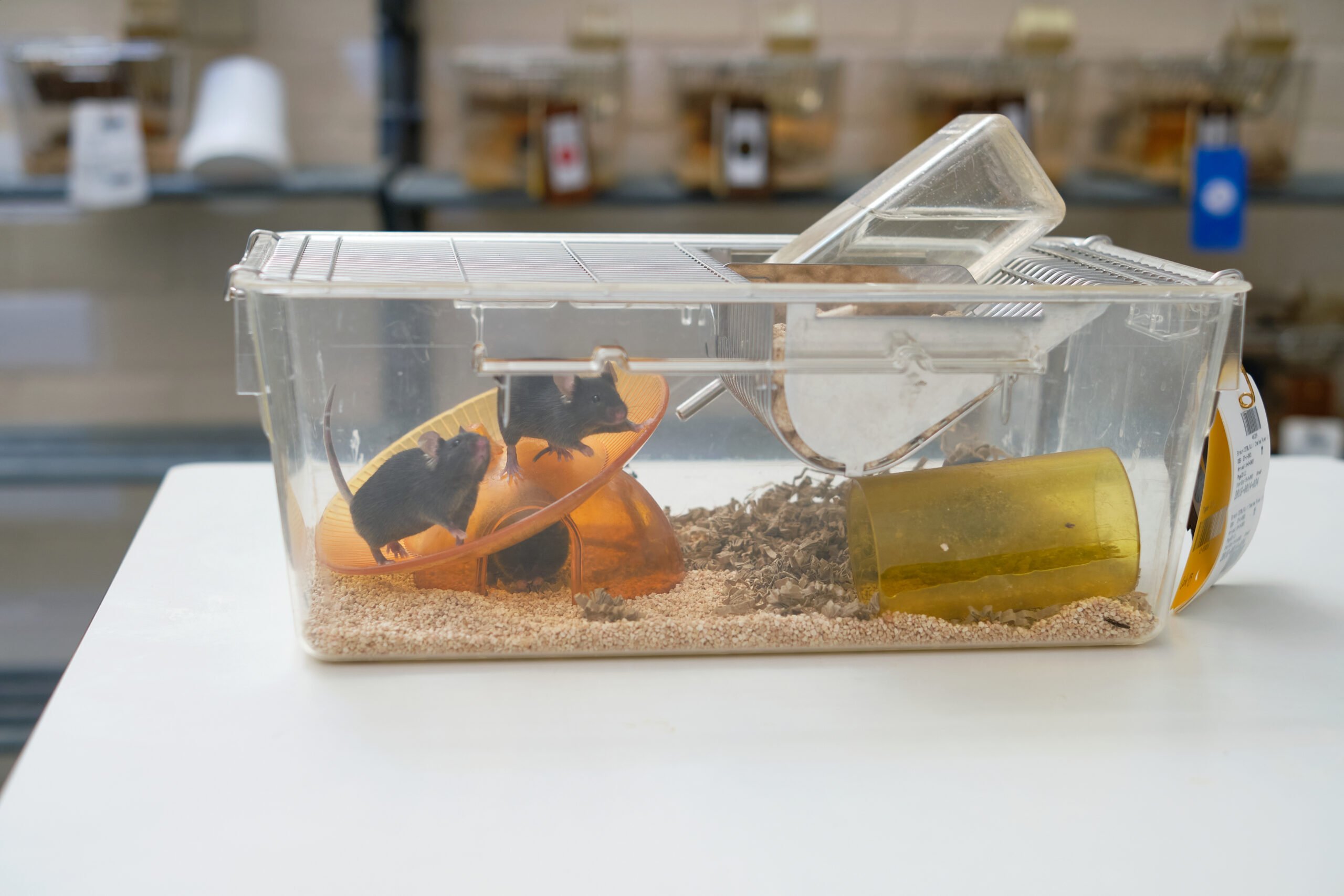
Laboratory mice are housed in conditions designed to meet their physical and behavioural needs. Cages have soft, absorbent beddingand are made of clear plastic so that the animals can be observed without disturbance. Mice are provided with food and water daily, typically in the form of hard pellets that prevent their teeth from overgrowing. Their diet is carefully balanced to provide all the nutrients they need for good health. 
Media Bank Image
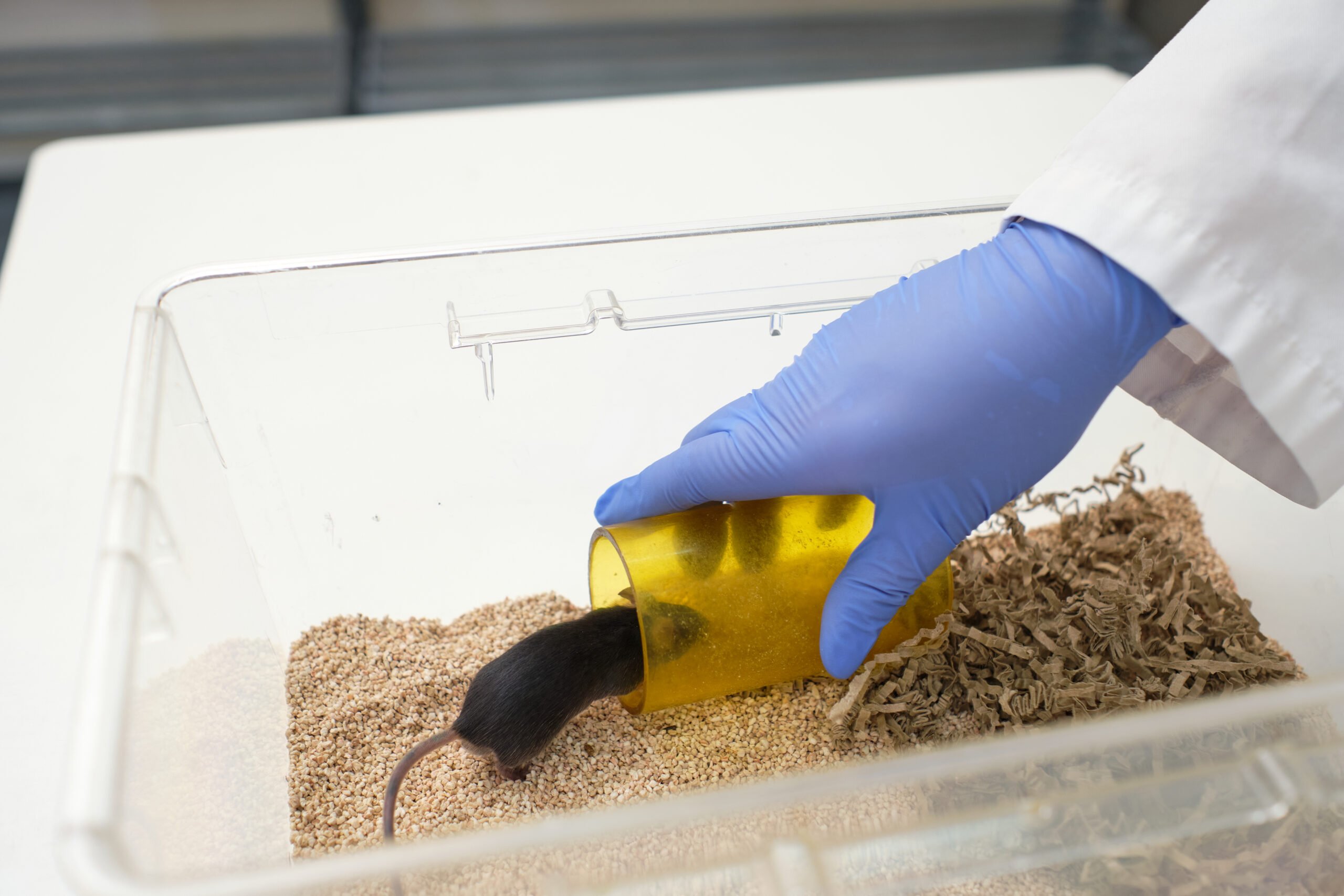
Mice are highly active and inquisitive animals, so their cages include enrichment to allow natural behaviours. This can include hiding places, tunnels, nesting material, climbing structures and objects to gnaw on. Enrichment helps reduce stress, encourages physical activity and supports mental wellbeing. Mice are also social creatures, and wherever possible they are housed in groups or pairs. Only in rare circumstances, such as for medical or safety reasons, are mice kept alone. 
Like humans, mice have natural circadian rhythms, so laboratories maintain a consistent day–night cycle, with periods of light and darkness that support their activity and rest patterns. 

Limitations of mice as animal models for biomedical research

While indispensable in biomedical research, mice are not perfect models for every human condition. For example, when studying complex aspects of the human brain, monkeys are often preferred because their brains more closely resemble ours in structure, connectivity and behaviour. 
Mice also have a shorter lifespan and different rates of development, which can limit long-term assessments or the study of diseases that take decades to appear in humans. Environmental, social or lifestyle factors that influence human disease progression, such as diet, stress or exposure to pathogens over decades, cannot be fully replicated in mouse studies. 
Despite these limitations, mice remain essential due to their genetic similarity to humans, the ability to manipulate their genes and the possibility of studying disease and treatment effects in a whole organism. Recognising the limitations of using mice guides researchers in selecting the most appropriate species or methods for specific scientific questions. 

Replacement, reduction and refinement

Under EU Directive 2010/63, researchers must use new approach methodologies (NAMs) whenever possible, with the ultimate goal of replacing animals in research entirely. Research animals in the EU can also only be used if there are no suitable alternatives. The 3Rs principle (Replace, Reduce, Refine) is an ethical framework for minimising or avoiding the use of animals in research, and it is standard practice in research around the world.  
Media Bank Image
Other useful sources
Using Animals in scientific research - Mice, Understanding Animal Research
Why do we use mice in research?, The Francis Crick Institute
Why do researchers investigate mice?, Max Planck Society
Housing and husbandry – Mice, NC3Rs