
The place to learn about animal research
Why science still needs animals and how they are used responsibly and humanely.
Latest research news
Events
EARA Events
AUDIENCES
Choose Your Path
Members and partners
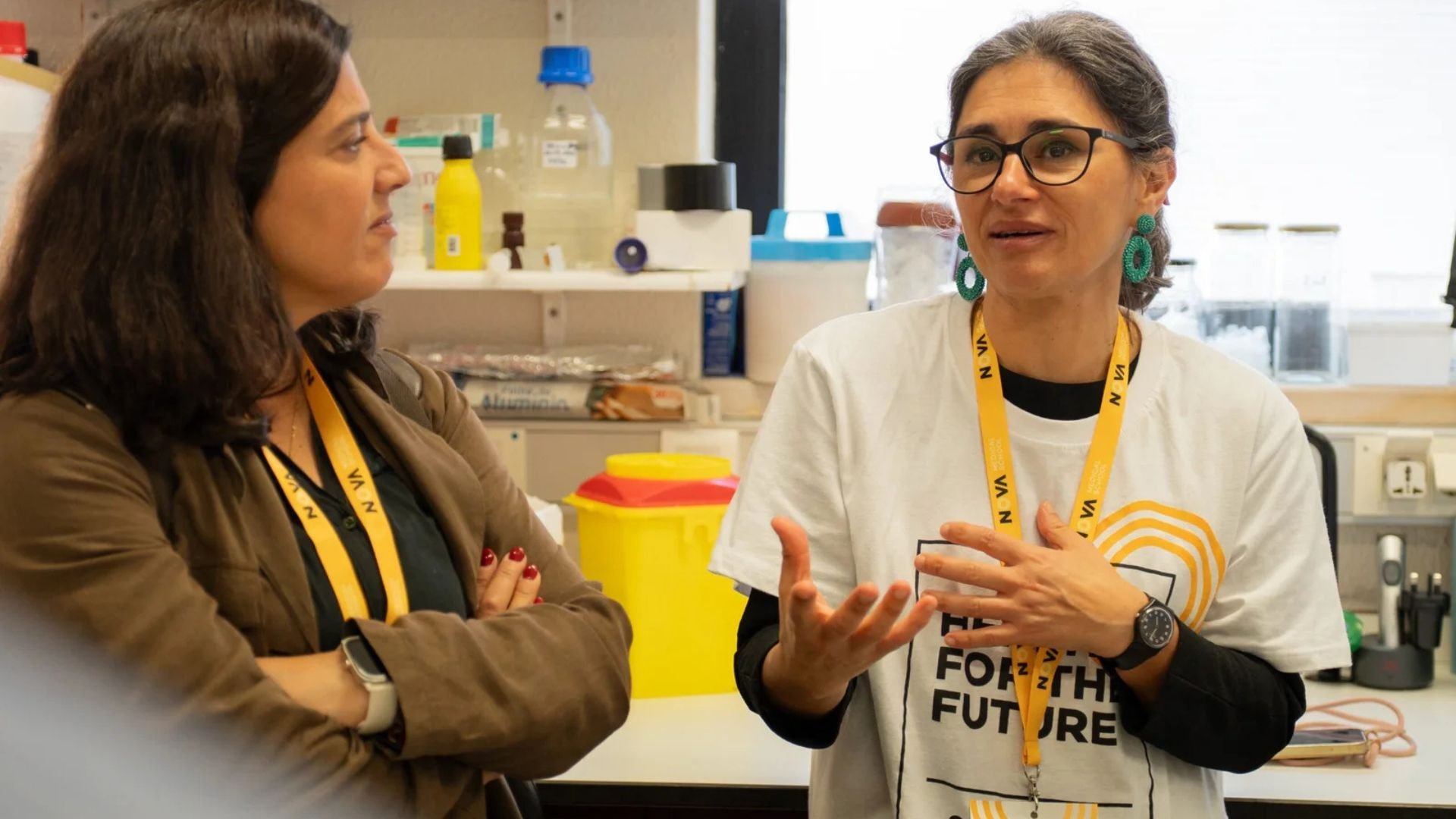
We bring organisations together to support responsible biomedical research. This section is designed for members and partners. It introduces EARA’s mission and values, and provides access to resources and opportunities to collaborate and engage.

Policymakers and NGOs
Animal research in Europe, and in most countries worldwide, is subject to the most stringent animal welfare legislation and ethical oversight. Explore scientific evidence, legal frameworks, and policy context.
Researchers and healthcare professionals
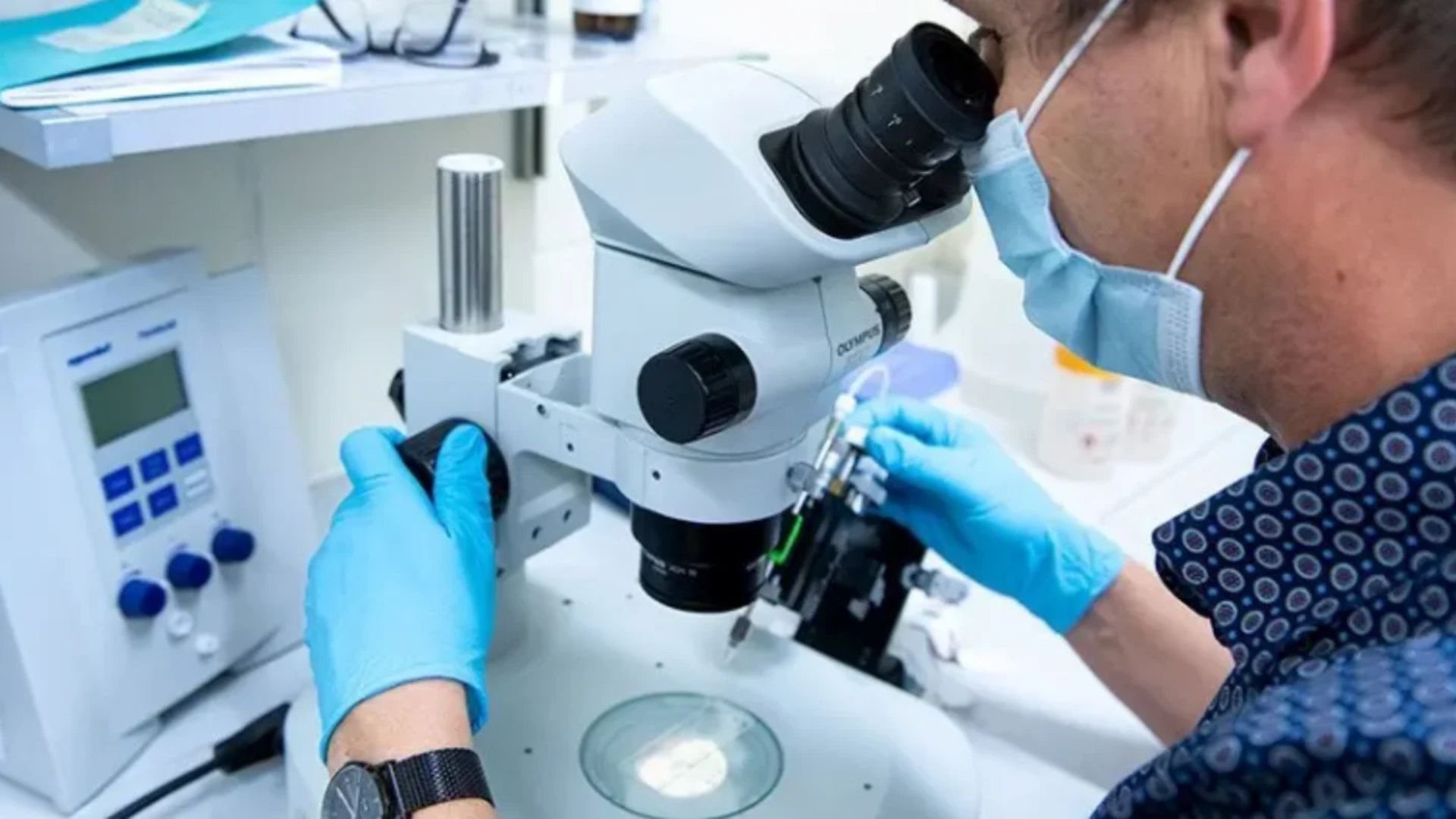
Biomedical research underpins medical progress. How to communicate responsible practices and clinical impact of animal research?

Students and educators
Animal research plays a central role in modern medicine. Explore resources on why animals are used in research and how this work is regulated and safeguarded.

Media, journalists and communicators
Accurate reporting depends on clear, reliable information. We provide quick access to verified facts and science-based context on animal research.
Patients and patient advocates
Biomedical research is ultimately about improving lives. This section focuses on real-world impact for patients and communities.
About
Animal Research
What is Animal Research?
Animals have played a crucial role in research that has led to many medical advances.
Biomedical research using animals helps scientists understand diseases and develop new treatments for both humans and animals.
Animals can suffer from many of the same conditions as humans, such as cancer, heart disease, epilepsy and infectious diseases.
Research with animals has been essential to develop vaccines, medicines and therapies that save lives.
Learn More AboutAre there alternatives?
Responsible science means always striving for better alternatives.
The principle of the 3Rs — Replacement, Reduction and Refinement — has been guiding research since 1959.
Scientists in Europe are required by law to replace animals with alternatives whenever possible, reduce the number of animals used, and refine methods to minimize pain and improve welfare.
Alongside these principles, new approach methodologies, including non-animal methods are being developed and put into practice.
Learn More AboutPOLICY
Transparency & Policy


Projects
Featured Project
What happened at #BOARD26
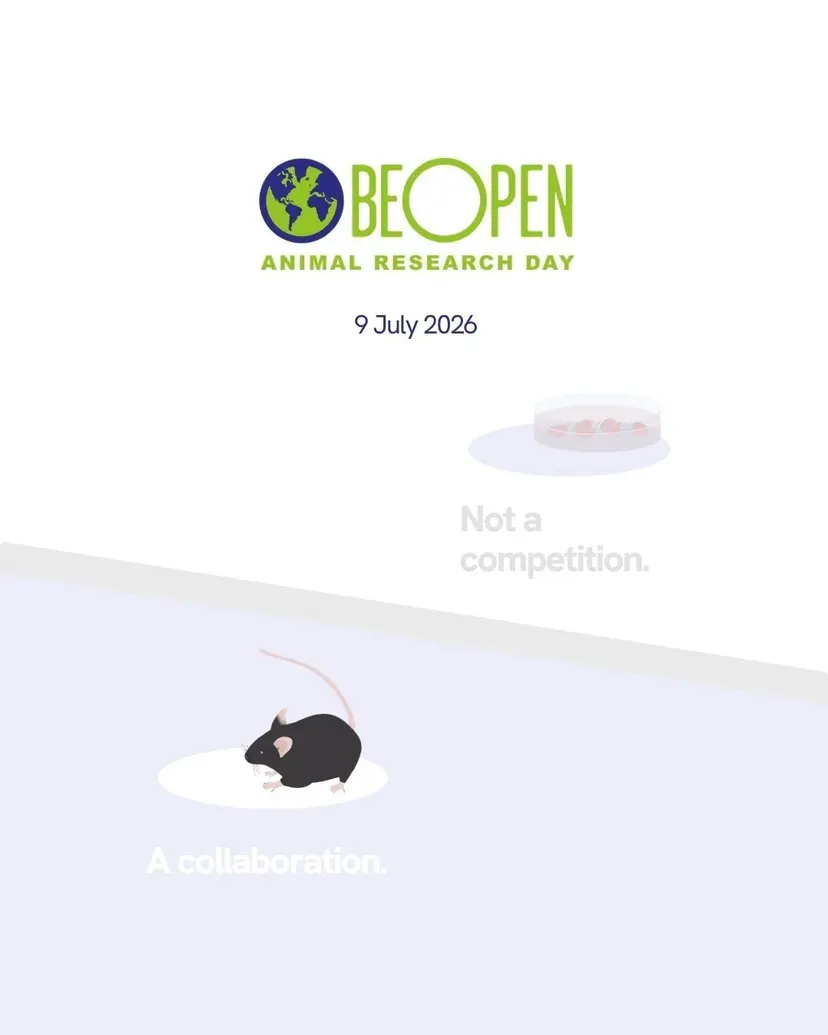
Our 24-hour annual social media campaign is an opportunity for the global biomedical community across the public and private sectors to come together to show the different ways that they are becoming more open and transparent about discussing animal research with the public.
For the first time ever, #BOARD was a theme-driven campaign, addressing a commonly spread, misleading and polarising message that portrays animal research and new approach methodologies (NAMs) as competing rather than complementary.
More than 300 contributions, from 39 countries, put forward a central idea: animal models remain essential to study complex processes in living organisms, while NAMs provide crucial mechanistic insights.
But, remember, openness is not a one-day campaign, it's something that the research community must strive for every single day.
Learn more