Besides mice and rats, a diverse group of small mammals - from rabbits to naked mole rats - provide valuable insights into human health challenges ranging from COVID-19 to cancer resistance.
Why are small mammals used in research?
Which areas of research use small mammals?
Infectious diseases
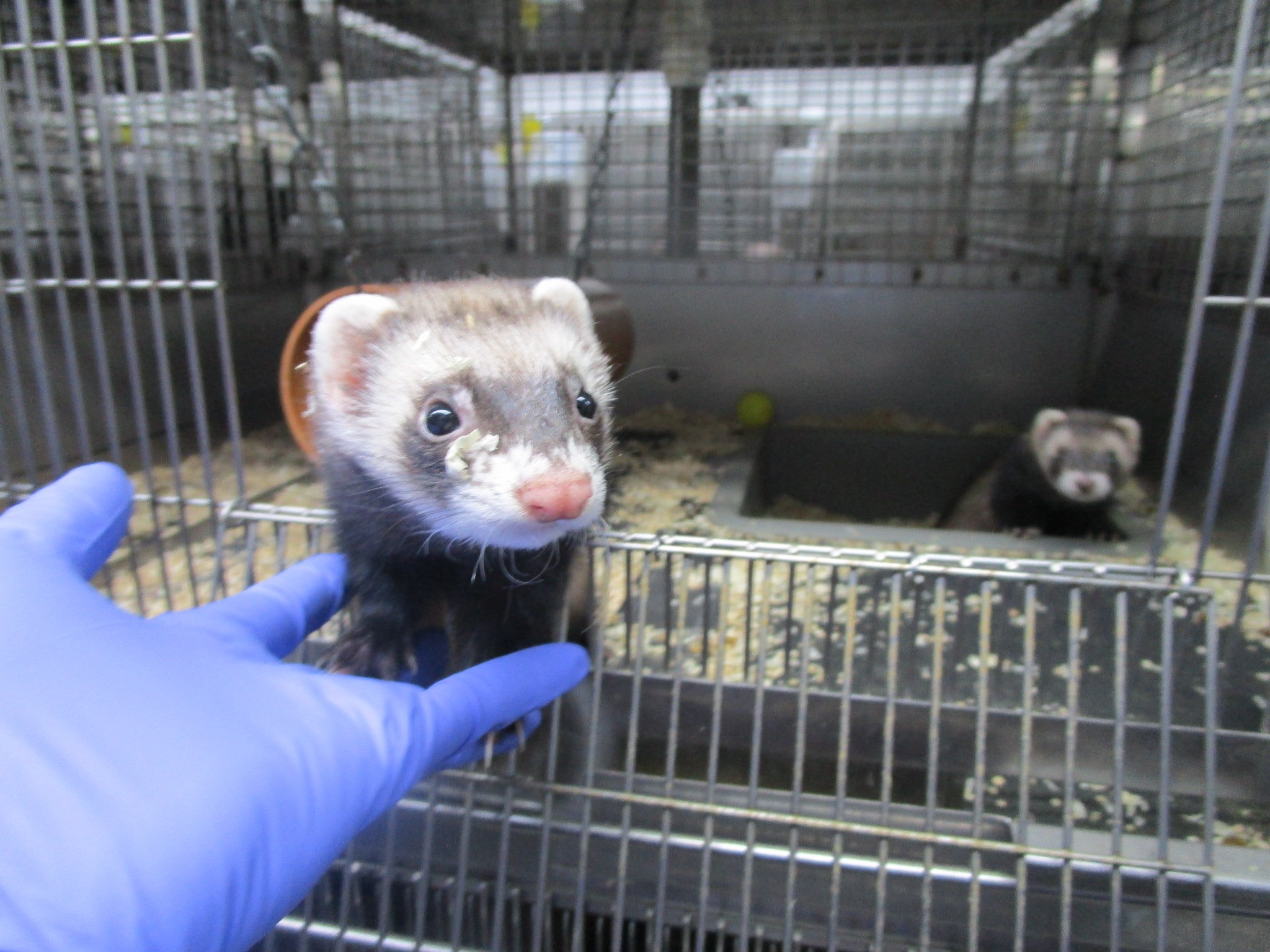
Ferrets have also contributed to influenza research. Scientists at the Johns Hopkins Bloomberg School of Public Health showed that exposure to seasonal flu viruses could provide partial protection against severe disease following infection with H5N1 in ferrets. This work helps researchers better understand the role of flu antibodies in human immunity and vaccination strategies.
Guinea pigs and humans have similar immune systems, making them a suitable species for investigating how infections take hold and affect the body. This has helped to identify different routes to transmission – for example in a study at the University of California, Davis, USA, it was shown that viral droplets of influenza, which allow the virus to spread through the air, can also be transmitted by attaching to dust.
Guinea pigs are also highly susceptible to infections by a range of bacteria, or viruses, that also infect humans, including Mycobacterium tuberculosis that causes tuberculosis. Historically, research involving guinea pigs contributed to the development of streptomycin, the first effective antibiotic treatment for tuberculosis, as well as for plague and pneumonia.
Mongolian gerbils are susceptible to several bacteria, viruses and parasites that also infect humans, such as Helicobacter pylori which is responsible for various typesof stomach infection and ulcers. Studying how these infections develop in gerbils helps researchers identify disease mechanisms and test potential treatments.
Other research areas
Research using small mammals also seeks to improve the health and welfare of animals themselves. In rabbits, this includes efforts to prevent and treat severe viral diseases such as myxomatosis, which only infects rabbits, through the development of vaccines and other treatments. Thanks to studies and tests in rabbits, vaccines were also developed for rabbit haemorrhagic disease, which affects pet and wild rabbits alike.
In addition, rabbits have been used to test new blood substitutes that can safely deliver oxygen during severe blood loss, with potential use in both veterinary and human medicine.
Veterinary research in guinea pigs has similarly provided valuable insights for their care. Studies on incisor and cheek tooth growth showed that diet alone does not fully explain dental disease, highlighting the importance of genetic and mineral factors for preventing common dental problems in pet guinea pigs and other rodents.
How are small mammals taken care of?