
Practical training guided by experts to support the biomedical research community to communicate openly and effectively about animal research.
EARA’s Media Training workshops support researchers, animal welfare and veterinary professionals, facility teams, and communications staff to communicate with clarity, rigour and confidence in a climate of increasing scrutiny from the public, the media and politicians.
These workshops are not framed as ethical debates. They are skills-based and solutions-focused, covering areas such as explaining research clearly, discussing welfare and the 3Rs, responding to difficult questions, and preparing for high-pressure situations.
Workshop formats available
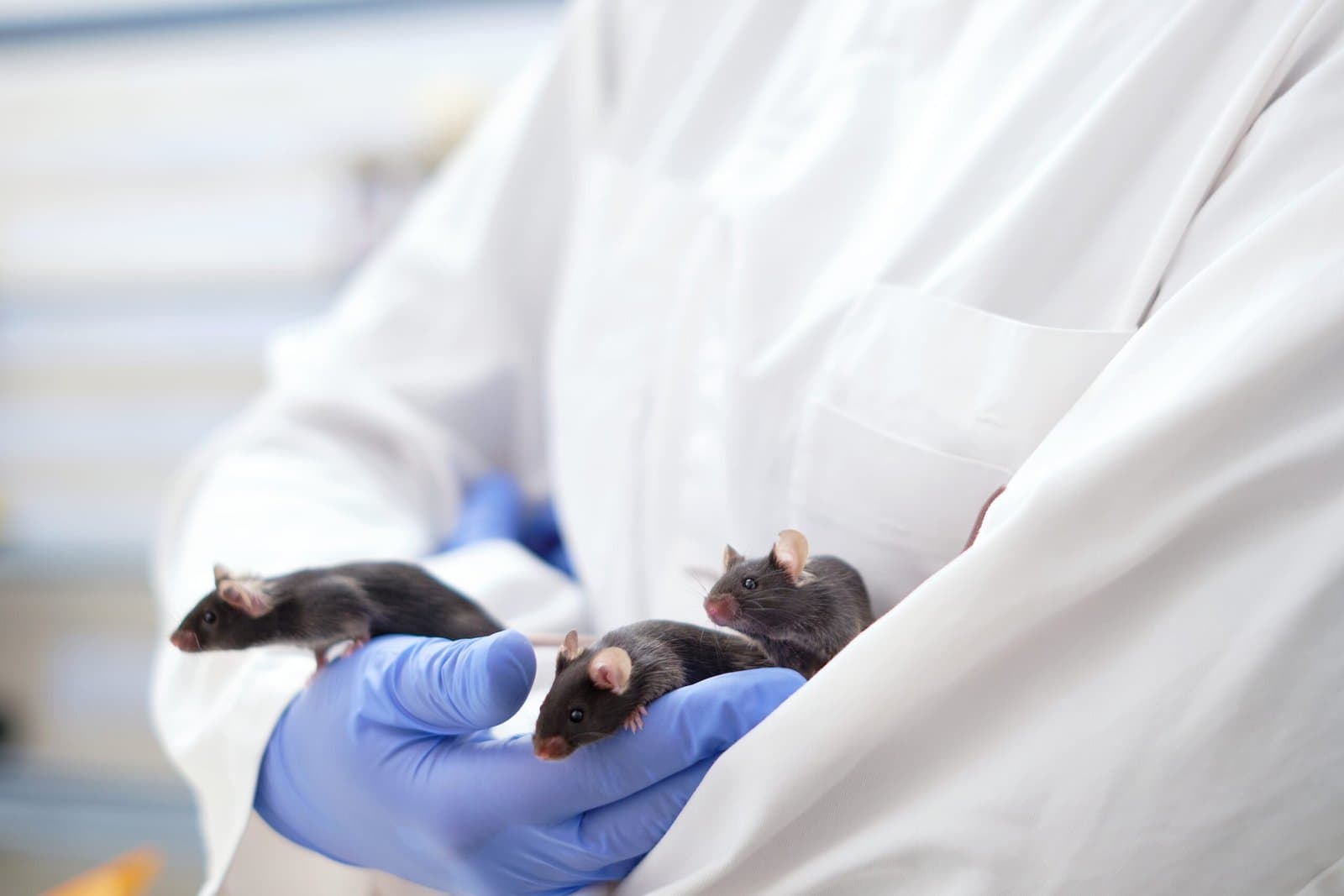
Media Training Toolkit
Who it’s for: Senior and junior researchers, animal welfare staff and veterinarians, communications/public affairs professionals and institutional leadership.
Objectives: Build baseline confidence and skills to communicate openly and proactively, develop clear key messages, understand proactive vs. reactive communication, and prepare for crisis scenarios such as undercover filming or activist campaigns.
How it’s different: This is the broad, foundational training that works across disciplines and roles. It is also the most adaptable “starting point” for institutions.
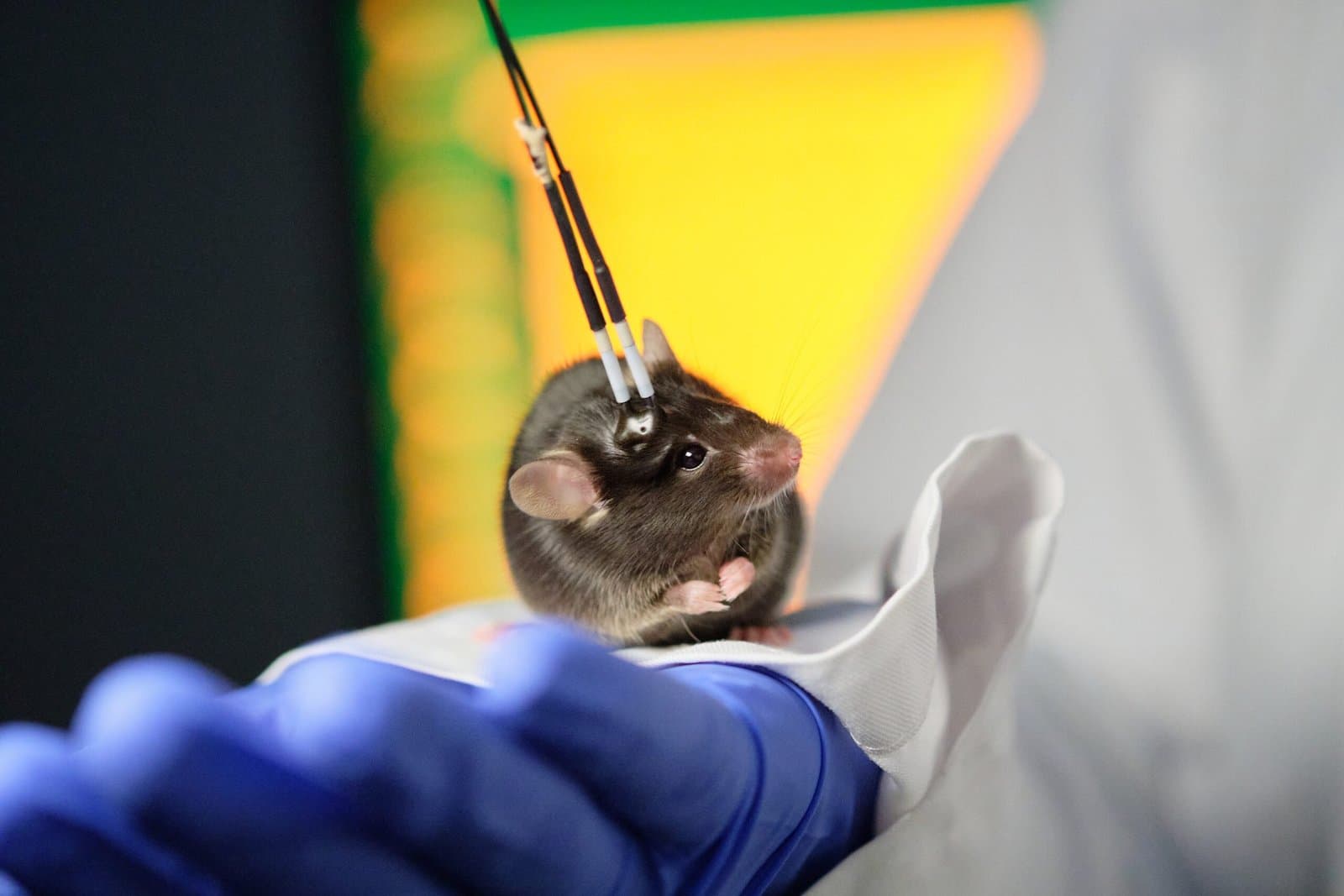
Basic Research Media Training
Research field-specific
Who it’s for: Teams involved in fundamental science using animals (senior/junior researchers, animal welfare staff, communications staff).
Objectives: Provide key messages and arguments to address scrutiny of research with no immediate translational objective. This includes using examples of field-specific knowledge gained to address different health conditions.
How it’s different: This format is explicitly designed to address the “why basic research?” challenge and is delivered as discipline editions (e.g., Neurosciences, Cancer, Immunology, etc).
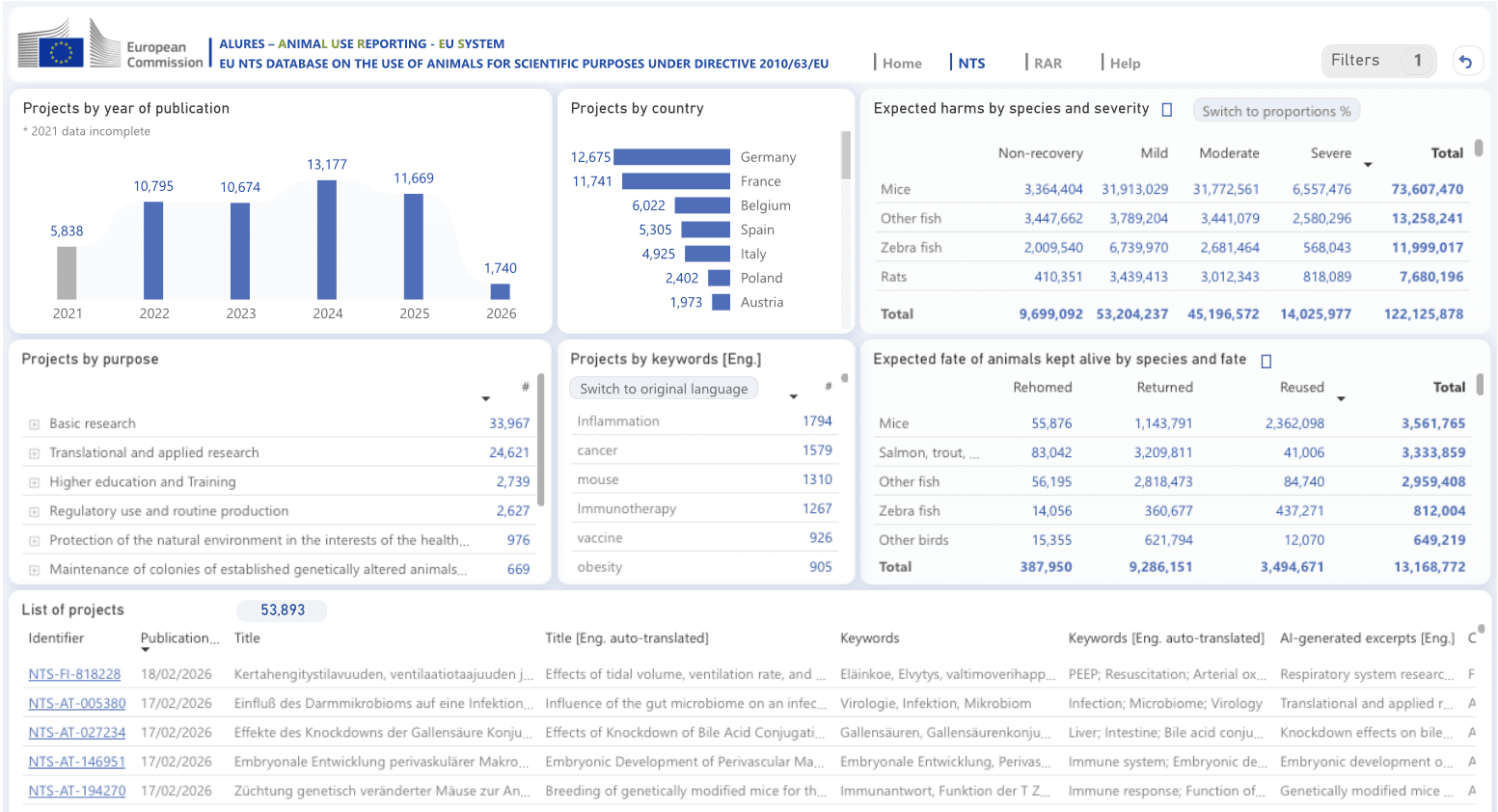
Non-Technical Summary (NTS) Writing
Who it’s for: Researchers writing NTS and Animal Welfare Body members reviewing them; project/regulatory professionals supporting NTS submissions.
Objectives: Improve the clarity and quality of NTS under Directive 2010/63, using EU guidelines while strengthening them to support genuine public understanding and transparency.
How it’s different: The most output-oriented format: it focuses on producing clearer, more accessible NTS text and structure, using exercises and tools for simplification and readability.
Animal Research for Science Communicators
Who it’s for: Science communicators and PR professionals in biomedical institutions, plus researchers who actively communicate through traditional and social media.
Objectives: Create accurate, accessible communications about animal research for public engagement and social media; strengthen messaging on ethics, welfare and the 3Rs; handle public concerns and scrutiny; use digital tools to produce effective content.
How it’s different: The only format explicitly designed for communications professionals. It is designed to bridge the gap between communications staff and research teams, with dedicated content on social platforms and content production (including digital tools).
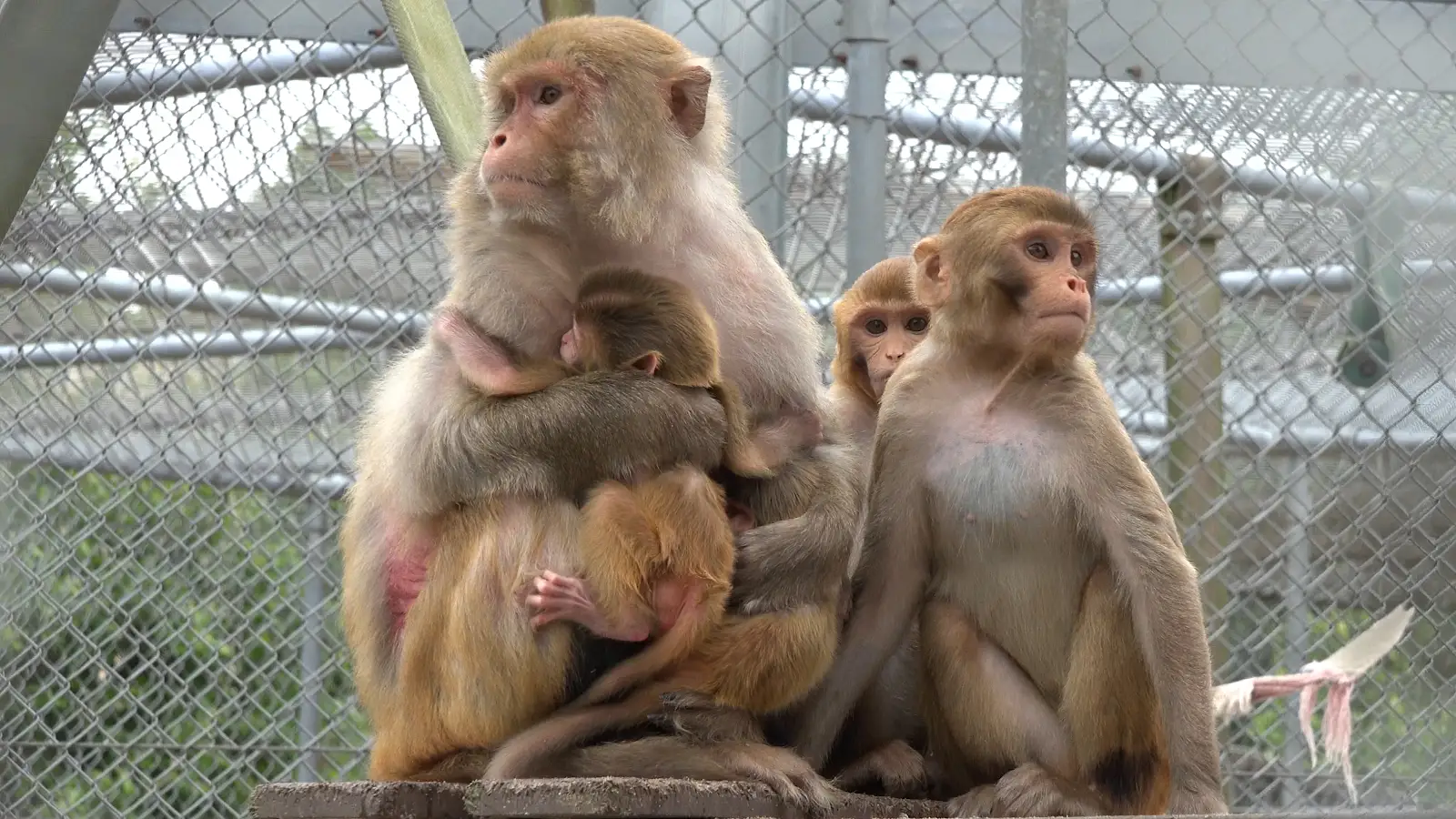
Non-Human Primate (NHP) Research Media Training
Who it’s for: Researchers, animal welfare/vet staff and communications teams involved in NHP research.
Objectives: Navigate a high-scrutiny landscape by communicating context, necessity and oversight clearly; prepare for difficult questions and reputational risk scenarios.
How it’s different: The most sensitive and risk-focused format, including species-specific examples of life-saving research and its irreplaceability in biomedical research, as well as practical crisis-preparedness guidance (pre-agreed statements, crisis teams and readiness for activist-driven narratives).
What to expect from any EARA Media Training workshop
- Tailored sessions: formats can be adjusted for specific research areas and institutional realities
- Interactive delivery: real-time discussion, practical exercises and Q&A (Zoom or in person)
- Expert guidance and peer exchange: benefit from shared experience across research, welfare and communications roles
- Certification and further support: participants receive documented recognition of their commitment to openness and public dialogue, along with additional materials for future learning, as well as continued support from trainers
Two ways to take part
Open workshops
Individual registration
Open workshops are online sessions designed for individual participants, with interactive discussion and practical group work.
Typical group size is up to 50 participants.
Pricing (open workshops):
EARA members:
a number of free annual tickets; additional tickets €150 event promotion and registration set-up
Non-members:
€200 per participant
Institutional media training
Closed sessions for organisations
Institutional media training is delivered to a single organisation to strengthen team-wide consistency and preparedness. Sessions are adapted to your institution’s research area, needs and local context, delivered online or in person, for up to 40–50 participants.
This format is designed for internal alignment, institutional reputational risk management and preparation for public exposure.
Who it’s for:
Senior researchers and spokespeople who may represent their institution publicly or lead on communication in high-pressure contexts.
Objectives:
Strengthen proactive and reactive communication; translate complex research for non-technical audiences; engage confidently under pressure; anticipate activist strategies and rehearse crisis communication approaches.
How it’s different:
Higher-intensity practice and message discipline for senior staff—best suited for people who will be quoted, interviewed or speak externally on behalf of teams or institutions.