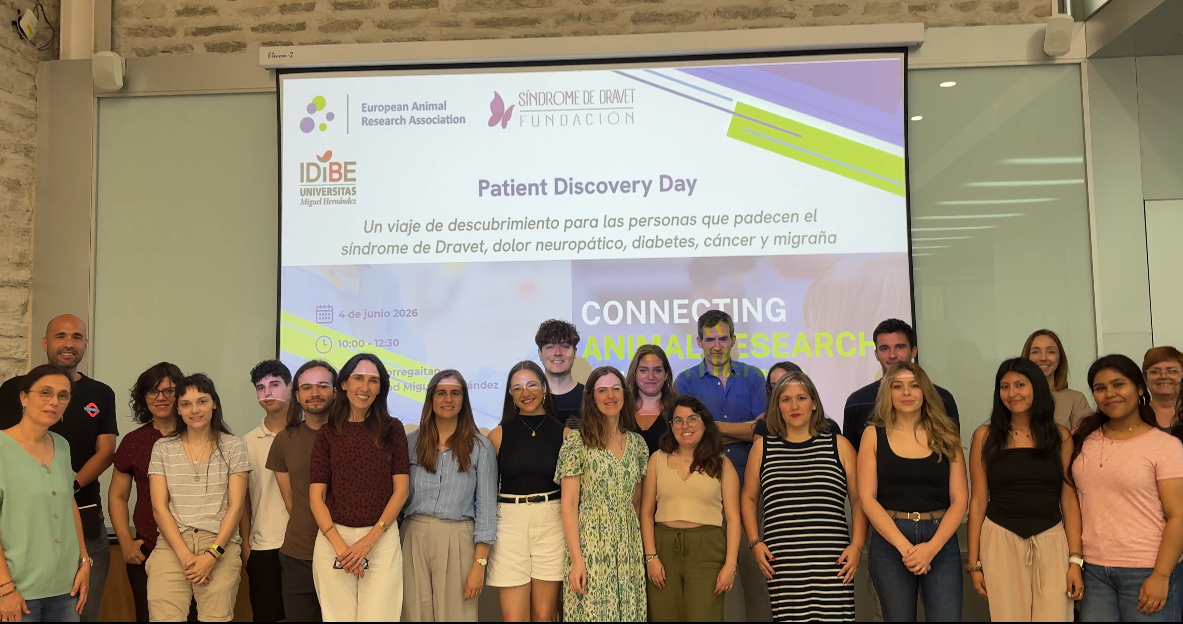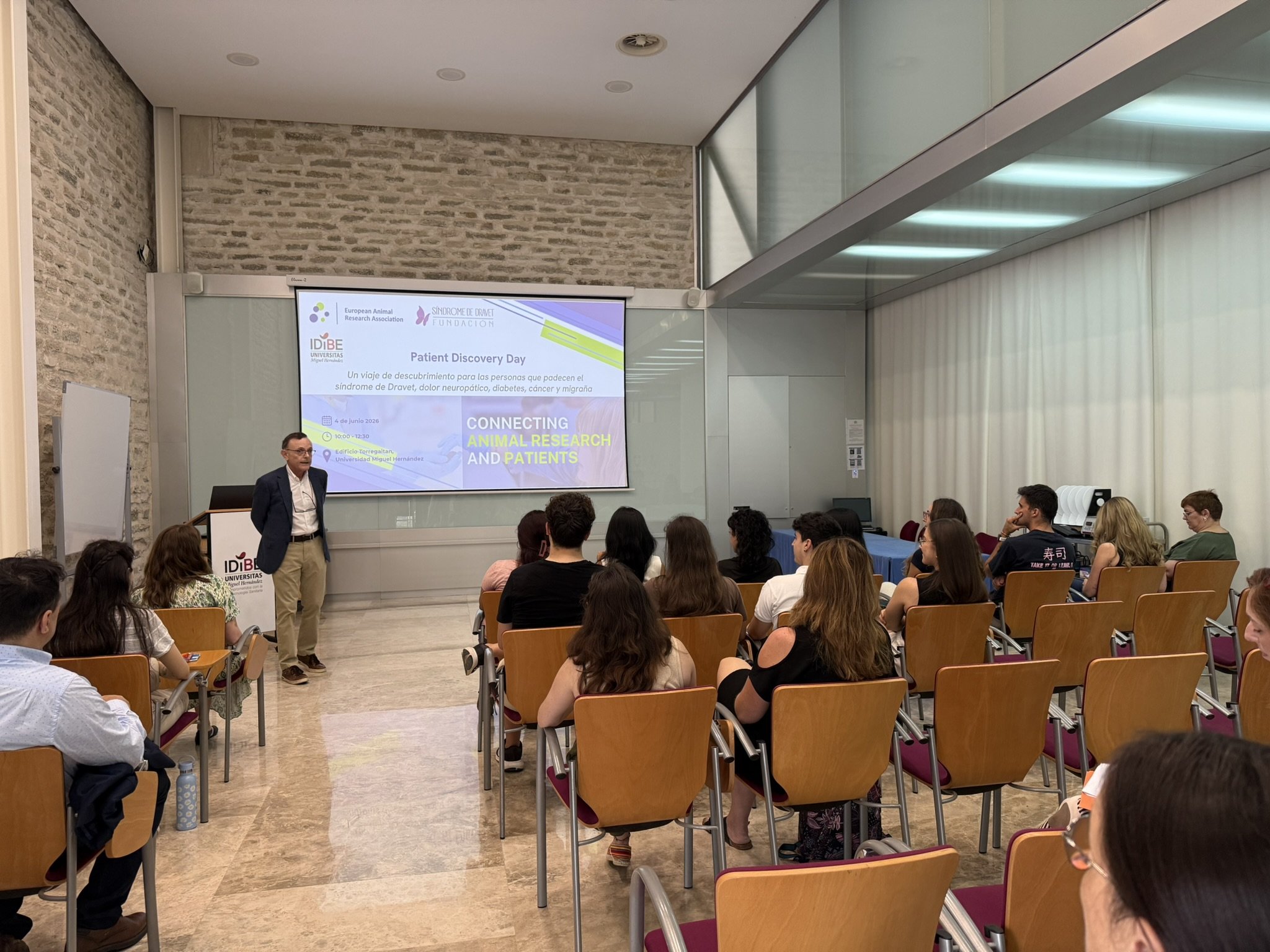
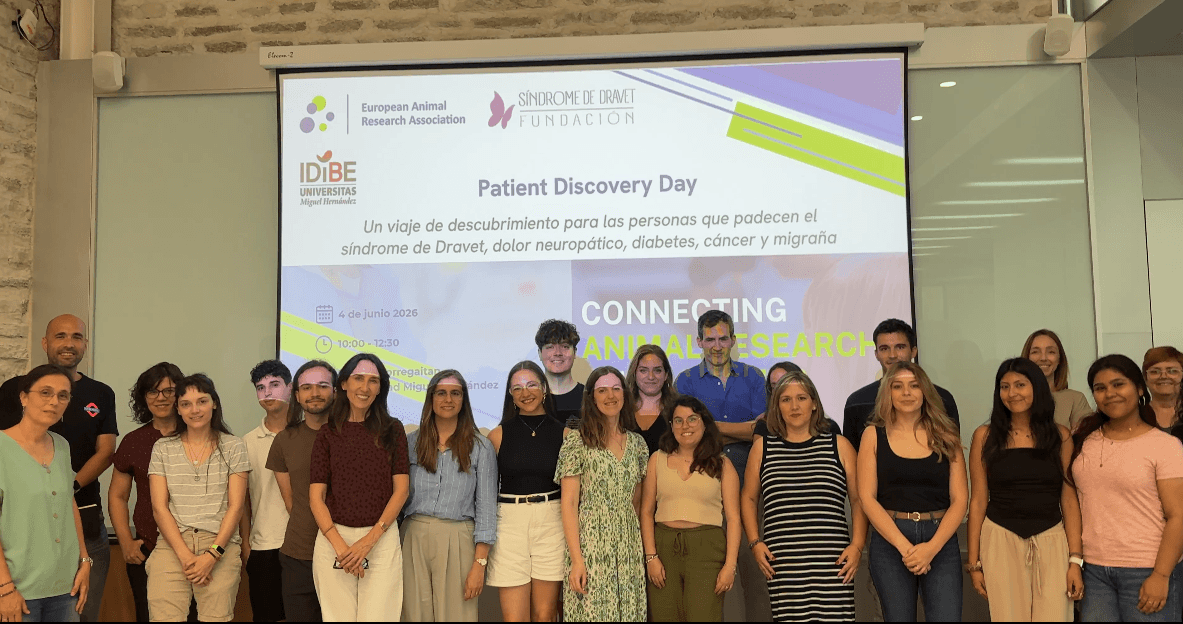
Patients, patient advocates and researchers came together in Spain at an EARA Discovery Day hosted by the Instituto de Investigación, Desarrollo e Innovación en Biotecnología Sanitaria de Elche (IDIBE) in collaboration with the Fundación Síndrome de Dravet.
The Discovery Day offered participants a unique opportunity to explore how biomedical research is advancing understanding of chronic pain, diabetes, rare diseases, such as Dravet syndrome — a genetic condition that begins in infancy and is characterised by frequent, treatment-resistant seizures— and vaccine development, while fostering dialogue between scientists and the communities their work aims to benefit.
The day began with a welcome from Antonio Ferrer Montiel, Director of IDIBE, who introduced participants to the institute's research mission and commitment to improving human health through biomedical innovation. “For IDIBE, hosting an edition of the Patient Discovery Day has been a true honour and an inspiring experience. As researchers, our daily work finds its real meaning when it connects directly with the people living with the diseases we study,” said Antonio Ferrer Montiel.
José Ángel Aibar, President of the Fundación Síndrome de Dravet, then shared the patient perspective, highlighting the importance of collaboration between researchers and patient organisations in driving progress for people affected by rare diseases. José highlighted: “Without research, there is no future. That is why I believe it is so important to bring together patients, caregivers and researchers through events like this, so that we can better understand how research is carried out, the methods used, the scientific rigour involved and the safeguards that govern animal research, which ultimately contributes to improving the quality of life of everyone living with serious diseases and conditions such as Dravet syndrome.”
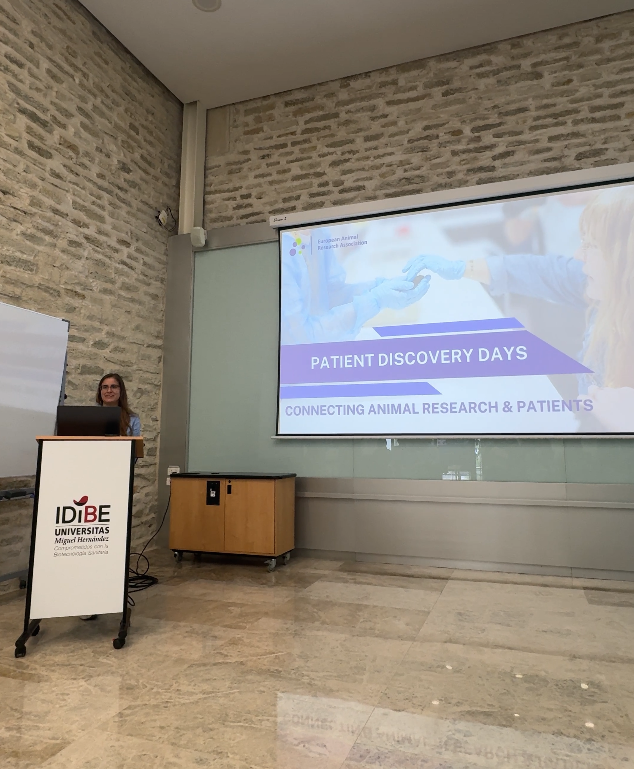
Inês Serrenho, Patient Engagement & Grants Officer at EARA, presented the EARA Patient Discovery Project and Patient Network, initiatives designed to foster informed patient involvement and support contributions to research discussions, policy development and public understanding of science.
“Spain is a natural place to hold Discovery Days because it is home to the world’s largest Transparency Agreement on animal research, reflecting a strong commitment to openness. This is EARA’s third Discovery Day in Spain, and each one shows the value of bringing patients and researchers together. Beyond improving understanding, these events help build a community of informed people with lived experience who can actively contribute to discussions about the future of biomedical research,” said Inês.
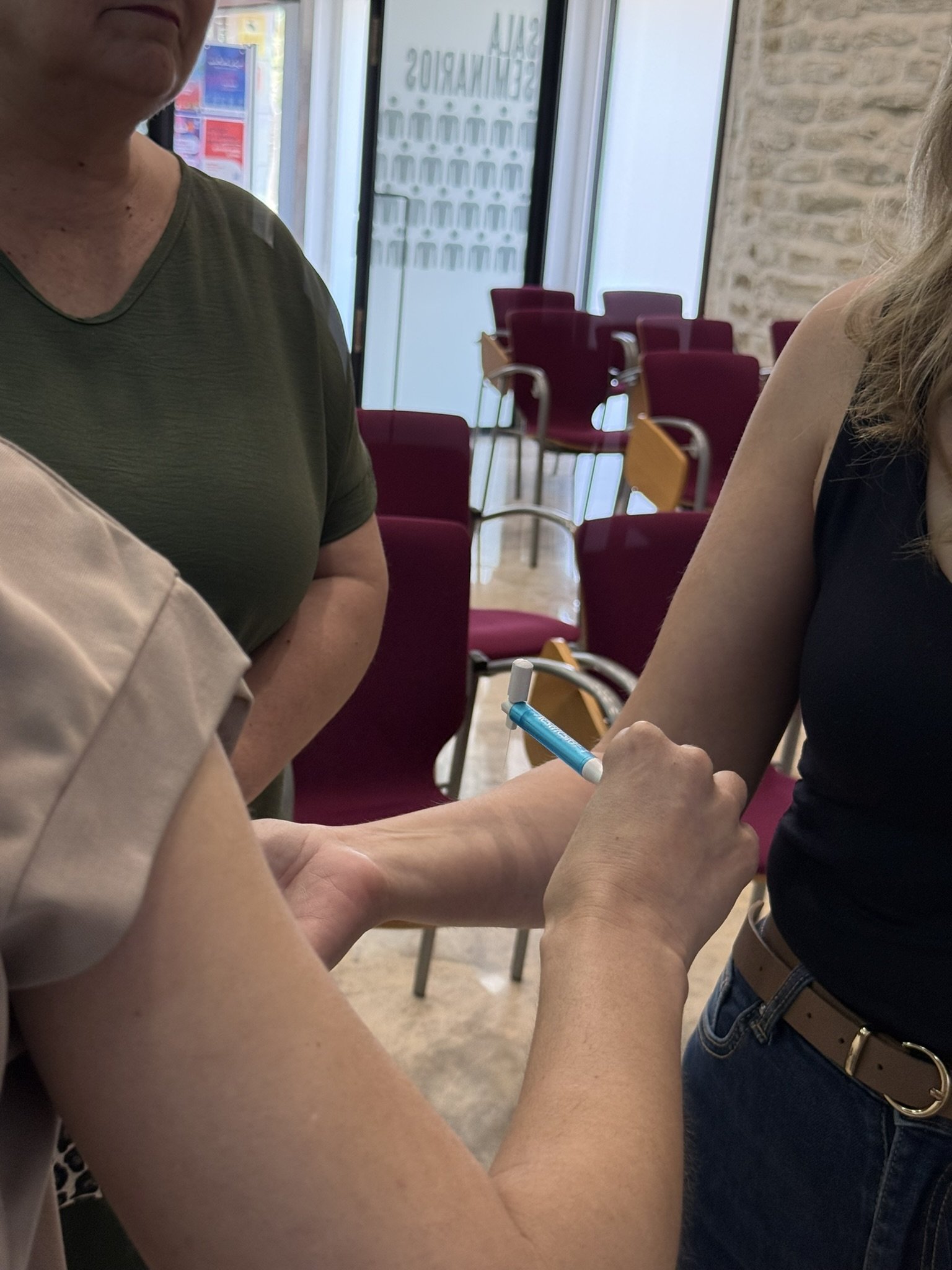
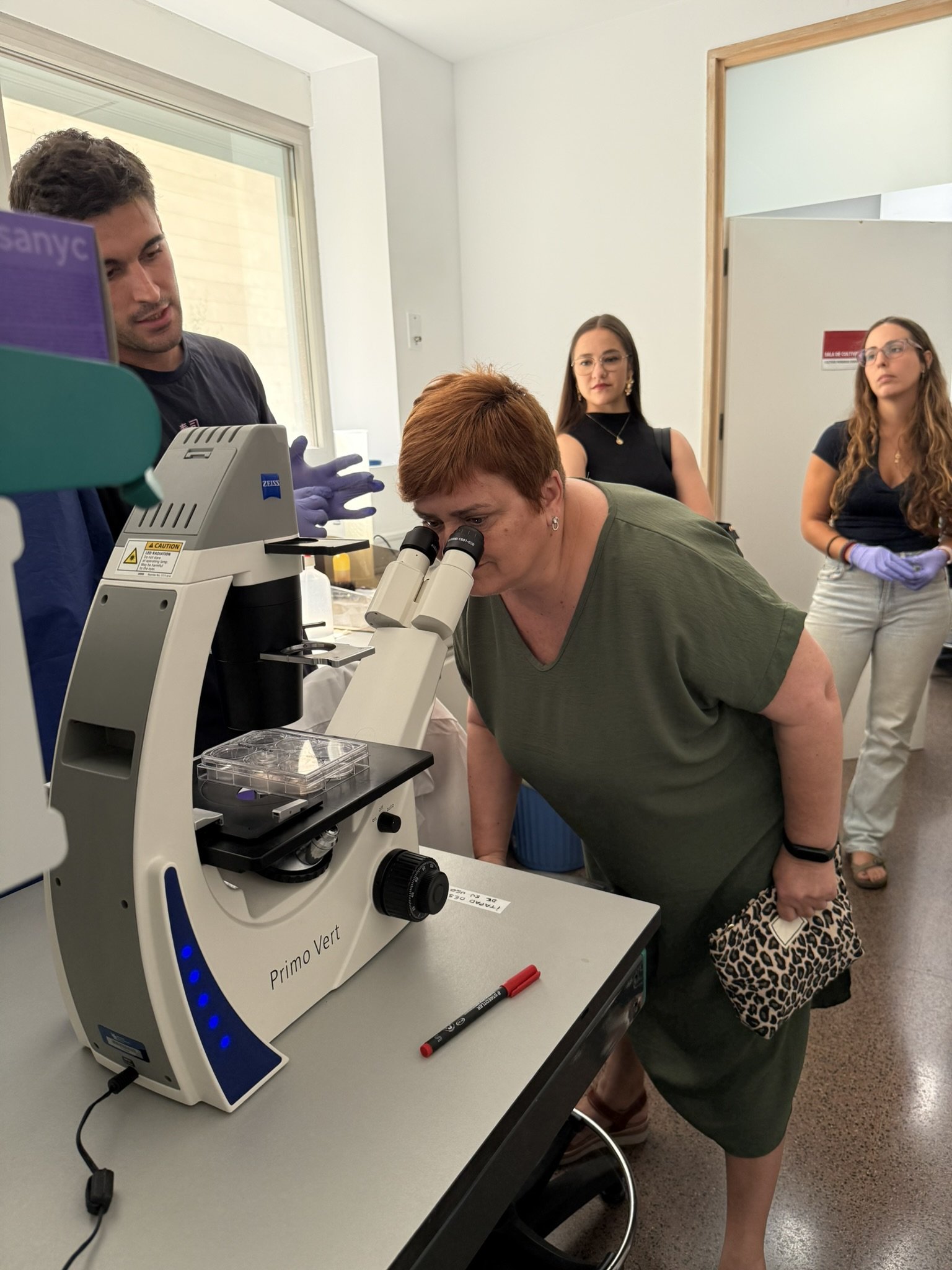
Participants were introduced to research on migraine and chronic pain and how studies in animals contribute to understanding the mechanisms underlying pain and develop of new treatments. They then rotated through a series of laboratory activities exploring nerve damage and chronic pain caused by cancer treatments, where the researchers David Cabañero, Isabel Devesa and Isabel Turpin demonstrated how mice, along with cell-based and patient-derived new approach methodologies, are used to study these conditions and identify potential therapies.
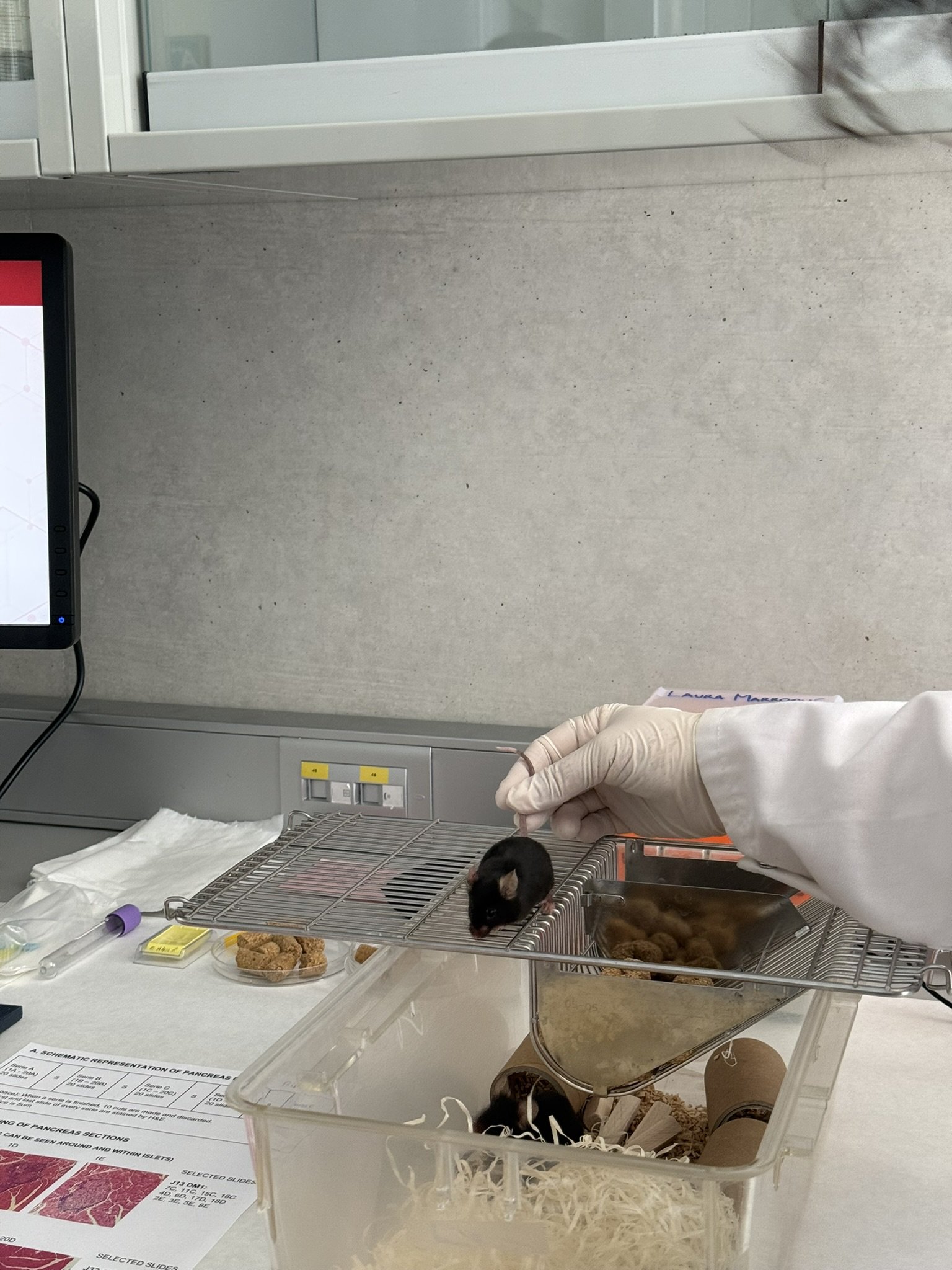
Participants also learned about the role of mice in type 1 diabetes research from Laura Marroquí and visited laboratories studying fish vaccines, where María del Mar Romo explained how researchers investigate immune responses and antiviral defence mechanisms to improve animal health and sustainable aquaculture, while expanding the knowledge about the immune system..
The Discovery Day concluded with a visit to the Fundación Síndrome de Dravet laboratories and shared research facilities located within the UMH Science Park. Guided by Simona Giorgi, participants learned how a patient advocacy organisation has established its own research programme and laboratory infrastructure. The visit provided insight into ongoing projects focused on Dravet syndrome and demonstratedthe growing role that patient organisations can play in supporting and conducting biomedical research.
Throughout the day, participants had the opportunity to ask questions, discuss research priorities and gain a better understanding of the experimental approaches used in biomedical research, including the responsible use of animals where no alternative methods are available to provide the necessary information.
“Today, thanks to this event, we were able to see first-hand how research is carried out […] We didn’t realise that research involved such a wide variety of animals. We also saw how well these animals [fish and mice] are treated, the great care they receive and the respect shown towards them. It is wonderful that research can help people living with diseases by using animals, cells or whatever methods are necessary to ultimately reach a goal that benefits us all,” said Natalia Casado Jover, participant and caregiver of child with rare disease.
This Discovery Day reflects the shared commitment of EARA, IDIBE and the Fundación Síndrome de Dravet to promoting openness, dialogue and patient engagement in research and policy discussions.
For further information and media enquiries, please contact: Inês Serrenho (iserrenho@eara.eu).