
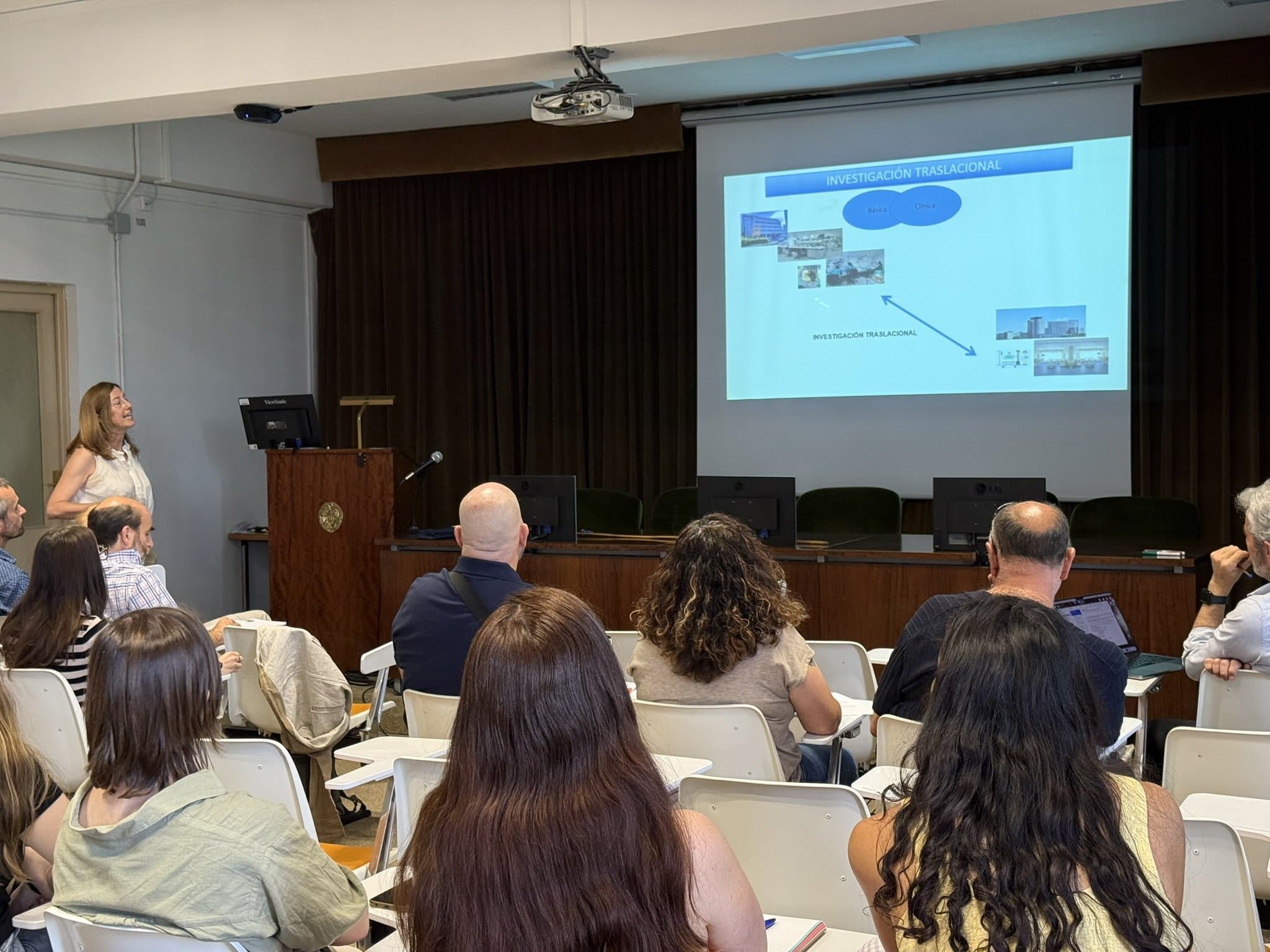
A Patient Discovery Day focused on cerebrovascular diseases and stroke recovery was held in Madrid, bringing together stroke survivors and patient association representatives with research teams working to develop new therapeutic strategies for these conditions. The event was organised by the European Animal Research Association (EARA) in collaboration with the Instituto de Investigación Biosanitaria Hospital Universitario 12 de Octubre (imas12) and the EARA member Universidad Complutense de Madrid (UCM). The initiative also involved researchers from the RICORS ICTUS network, funded by the Instituto de Salud Carlos III (ISCIII), which promotes collaborative research into stroke and cerebrovascular diseases across Spain.
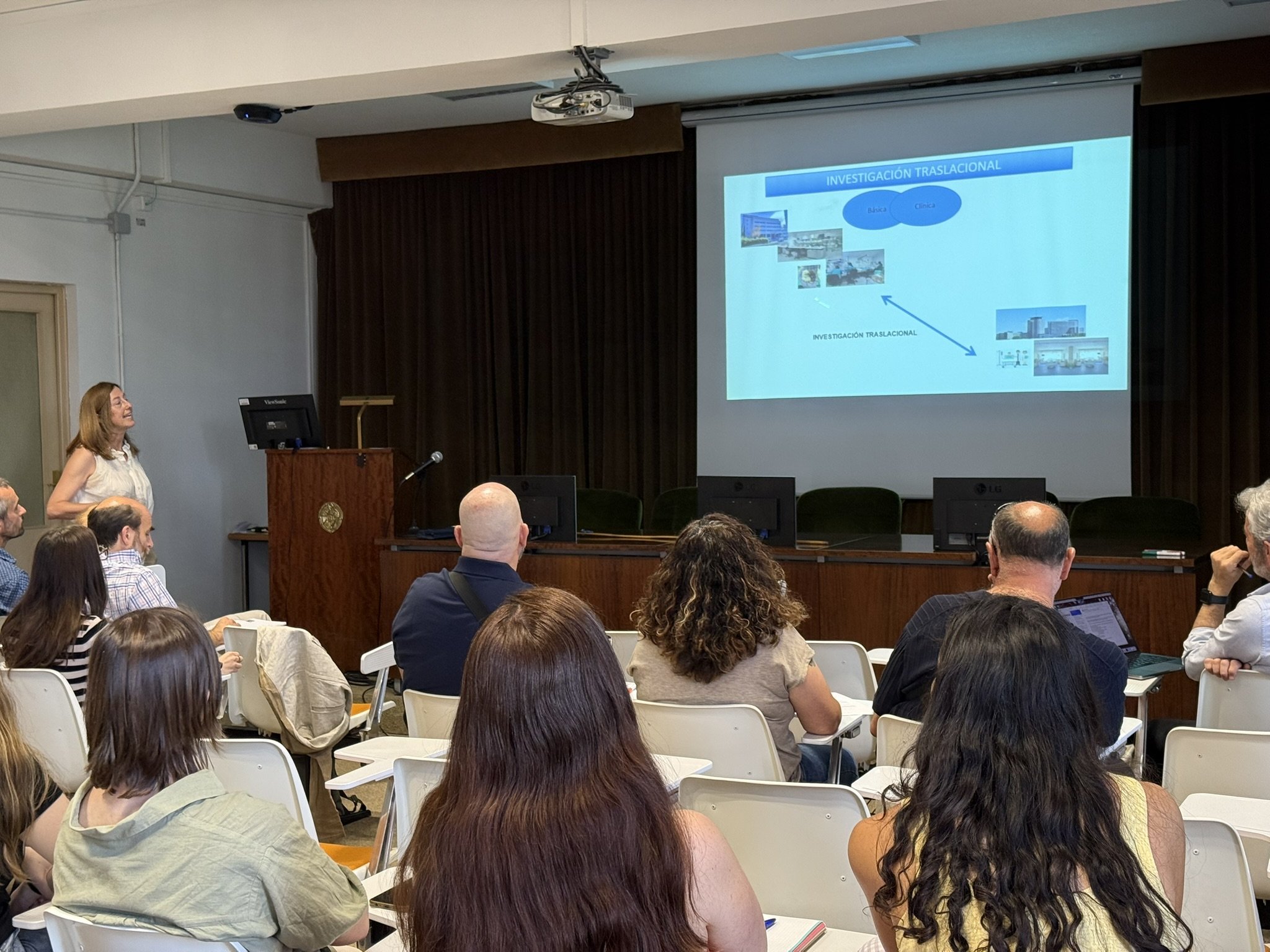
María Gutiérrez Fernández, from Instituto de Investigación del Hospital Universitario La Paz, presenting translational research in stroke.
After a welcome by Ignacio Lizasoain, Director of imas12, Iñigo Uriarte spoke of his involvement in patient engagement and advocacy as a stroke survivor. Laura Montecelo, from the Freno al Ictus Foundation — a non-profit organisation working with people affected by acquired brain injury and their families — also addressed the audience. The Foundation was established with the aim of reducing the impact of stroke in Spain and promoting awareness-raising initiatives to improve understanding of the disease, its scale, and its consequences. Through campaigns, projects, activities, and outreach actions, the Foundation works to raise public awareness of stroke, including how to recognise, respond to, and prevent it. In addition, it actively promotes healthy lifestyles and supports improvements in the quality of life of people living with acquired brain injury and their families. Inês Serrenho, Patient Engagement & Grants Officer at EARA, shared outcomes of the EARA Patient Discovery Project, of which this initiative is part, and introduced the recently launched Patient Network. The network brings together patients and researchers, aiming to empower patients to voice their opinions in societal and policy discussions while also actively contributing to biomedical research.
The patients attending the event gained a deeper insight into the field of research and the advances currently being achieved. One of the attendees described the visit as very interesting, explaining that she had previously been unaware of the research being carried out.
Laura Montecelo, Freno al Ictus Foundation
Patients engaged directly with researchers from three different teams, who presented their work in short sessions, all of which – referring to the research work presented - draw on a combination of experimental approaches, including mice and rats alongside human and rodent cells, to study stroke and how the brain can recover. Antonio Martínez Ruíz, from Instituto de Investigación Sanitaria Princesa, spoke about the involvement of mitochondria, cellular organelles responsible for producing energy, in brain repair after stroke; María Gutiérrez Fernández, from Instituto de Investigación del Hospital Universitario La Paz, showed animal and clinical studies using stem cells for stroke recovery and Jesús M. Pradillo Justo, from the UCM Neurovascular Research Unit, outlined research into how ageing and metabolic diseases, such as diabetes and obesity, affect brain repair following a stroke.
This event was a valuable opportunity to bring stroke research closer to patients, highlighting the effort and commitment of the researchers who work every day to advance new treatments. It also provided an opportunity to share the importance of animal research as a fundamental tool in the development of safer and more effective therapies.
María Gutiérrez Fernández, from Instituto de Investigación del Hospital Universitario La Paz
A highlight of the programme was a guided visit to the advanced imaging facility, where participants were able to see machines used to study stroke in mice and rats that closely resemble those that the participants may have encountered during their own diagnosis and recovery process. The session gave attendees a new perspective on how imaging technology bridges research and clinical practice, and how the same tools that support patient care are also central to developing new therapeutic strategies using animals.
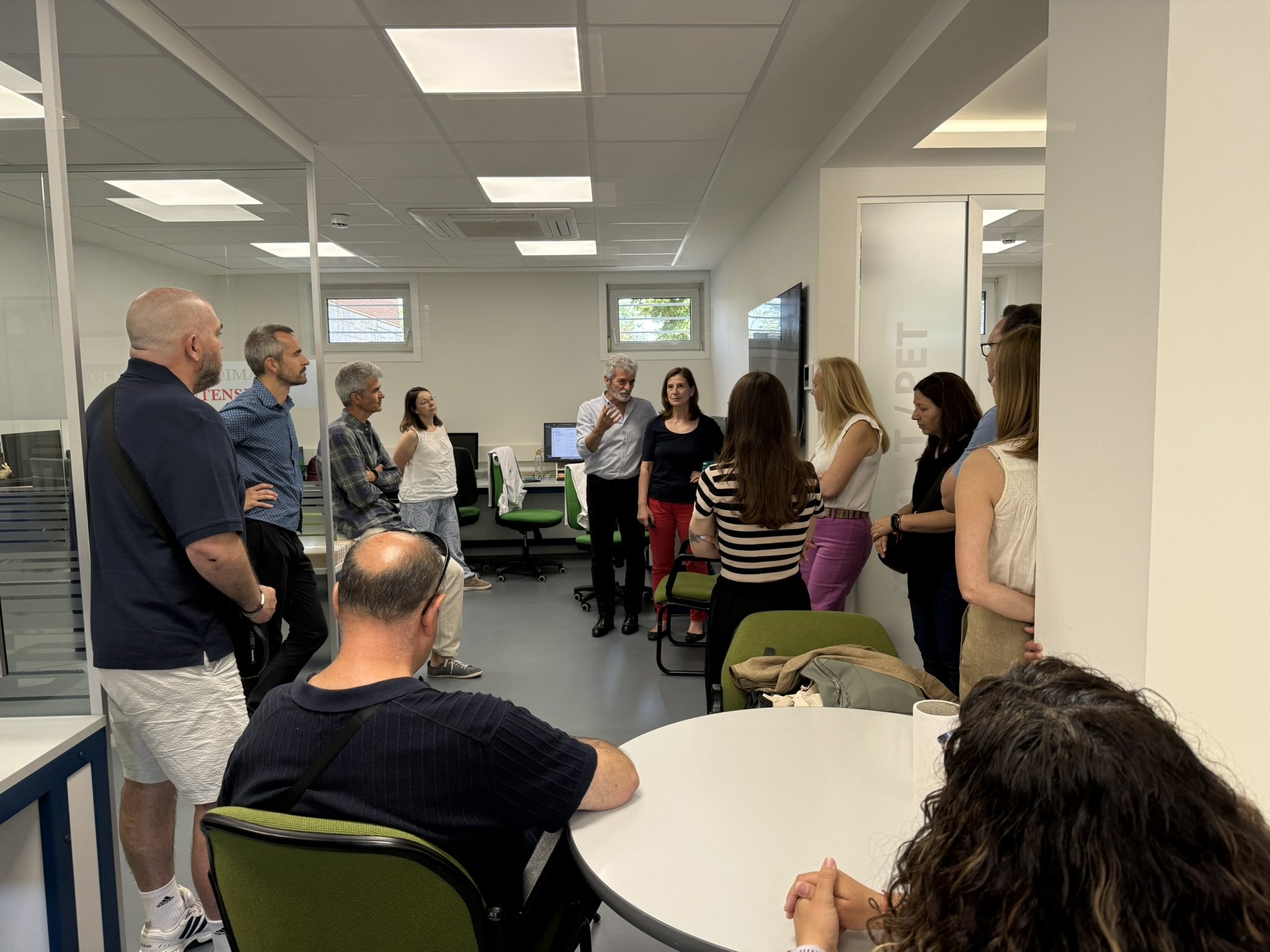
Visit to the rodent imaging facility.
The day ended with a discussion session in which participants and researchers exchanged perspectives on research priorities, unmet patient needs and the importance of the methods — including the responsible use of animal models — that underpin progress in stroke and cerebrovascular medicine.
This Discovery Day reflects a strong commitment from imas12 and UCM to transparency and patient engagement and marks a further step in EARA's ongoing effort to build meaningful connections between the biomedical research community and the patient populations it serves.
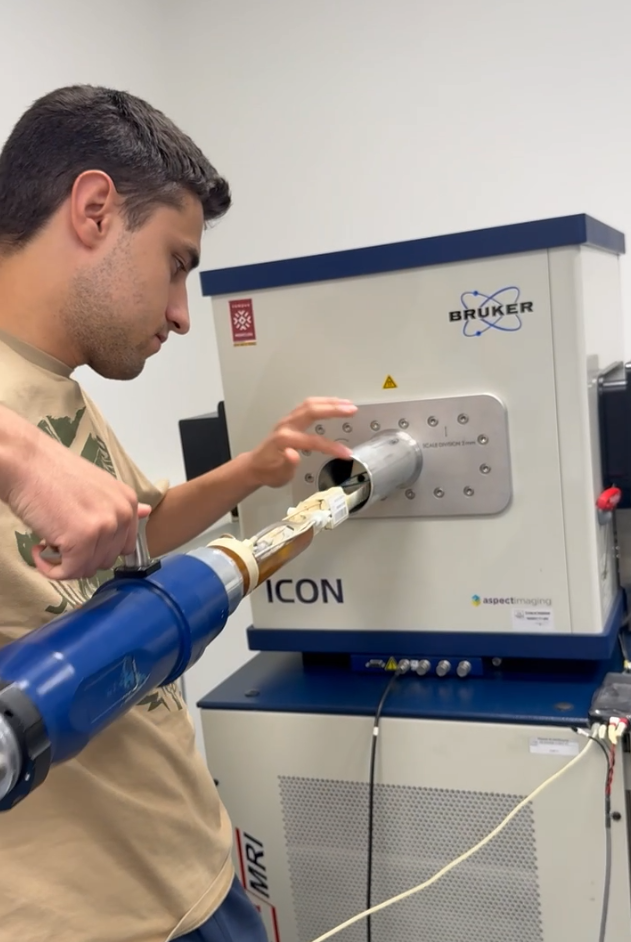
CT scan equipment for rodents at UCM.