
As many countries worldwide are embracing openness and transparency in animal research, the EARA Conference series explores the next steps to improve the biomedical research sector’s approach to public engagement.
The EARA Conference series is a pioneering effort to bridge the gap between biomedical research and public communication. Launched in 2025, these conferences address a fundamental challenge following the worldwide shift towards openness in animal research: how should the communication strategies of the biomedical sector evolve to align with public expectations, the political landscape and media realities?
The EARA conferences directly support our mission to ensure that animal research is understood by society as a critical component of scientific and medical progress. By bringing together researchers, welfare officers, science communicators, journalists and patient advocates, EARA creates a unique space where experts from typically disconnected fields can share insights, develop new strategies and shape the future of science communication together.
Lisbon, Portugal, 2027
Next conference

EARA Conference 2027 | Lisbon, Portugal
The second EARA Conference will bring together EARA members, the wider biomedical community, policymakers and science communicators for two full days of discussion on communication, transparency and public trust in animal research and new approaches.
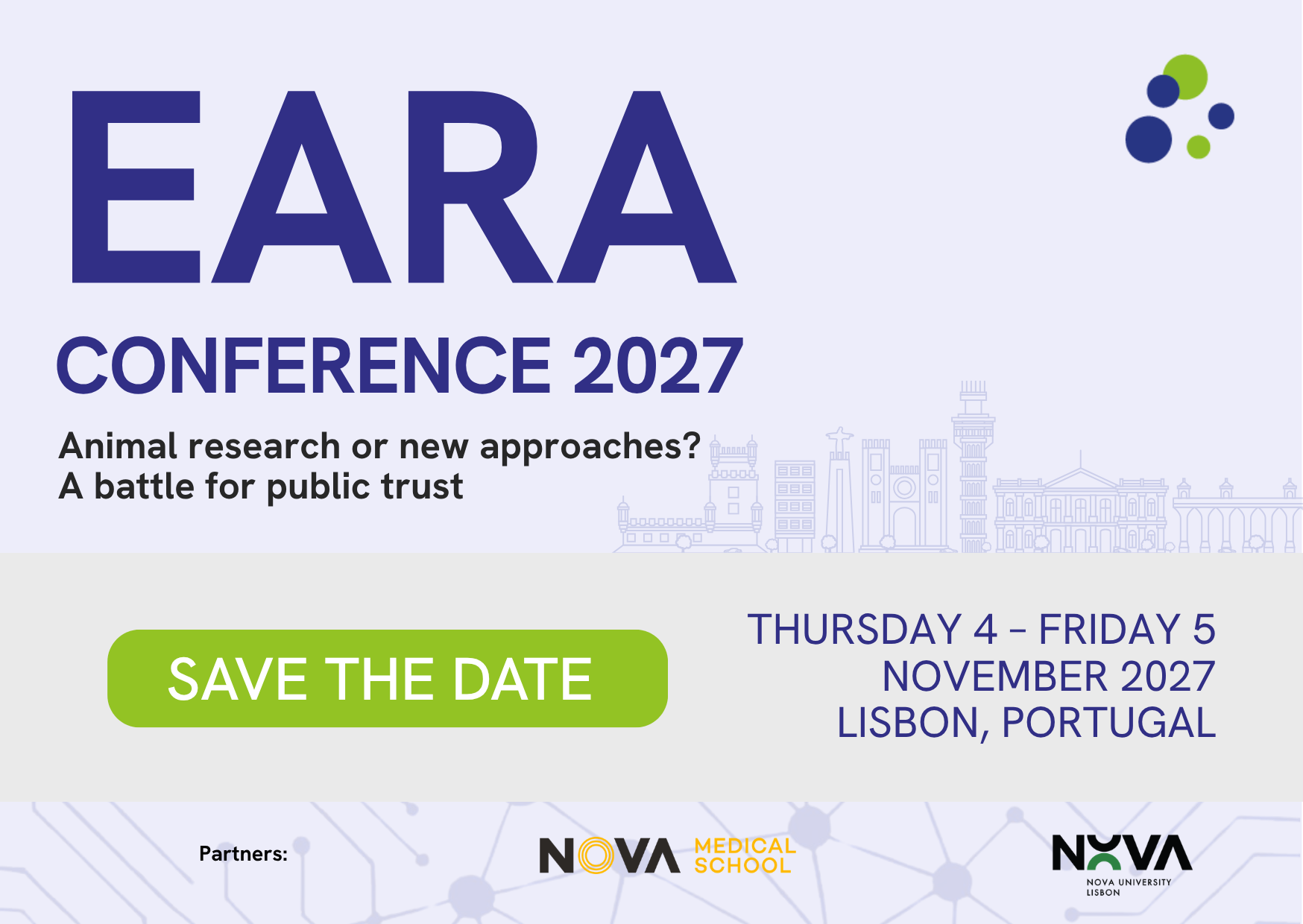
The second instalment of the conference will build on the successful format of EARAConference 2025, while expanding to a fuller two-day programme, with additional networking time and optional pre-conference workshops. Under the theme ‘Animal Research or New Approaches? A Battle for Public Trust’, the conference will explore how the sector can communicate complex science clearly, explain the continued role of animal research, address the place of newer methodologies and strengthen openness and public understanding across Europe and globally.
Building on the energy and conversations from our first conference, EARA Conference 2027 comes at a critical moment for our sector. The debate around animal research and new approaches is increasingly playing out in the public arena, and it is essential that the biomedical community speaks with clarity, confidence and openness. Lisbon will be the place to have those conversations.
Kirk Leech, EARA Executive Director
Topics will include animal research communication best practice, the scientific validity and limitations of different and complementary methodologies, patient involvement in scientific and policy discussions, the continued need for animals in basic research and testing and the importance of continued transparency for European resilience in the sector. The conference will also include a dedicated Industry Session and longer breaks to support networking and interaction with sponsors.
More information will be shared soon, including registration dates, programme details and opportunities to participate.
Berlin, Germany, 2025
Past conference
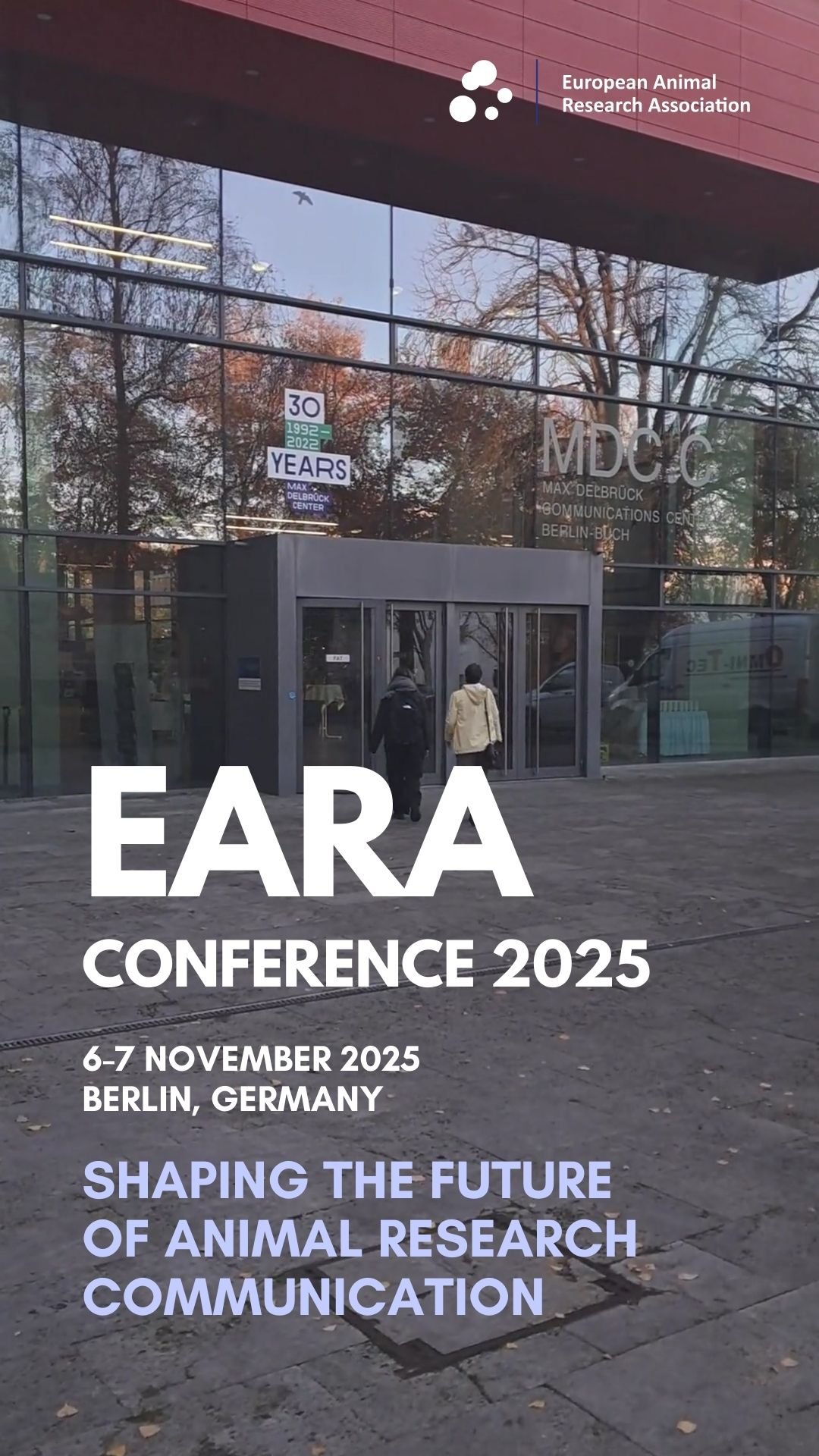
EARA Conference 2025: Shaping the Future of Animal Research Communication
On 6–7 November 2025, EARA held its first-ever international conference in Berlin, with the Max Delbrück Center (MDC), Charité Berlin and Tierversuche verstehen (TVV) as main partners. The meeting brought together two communities that rarely interact: biomedical researchers and science communicators. Held during Berlin Science Week, this first conference attracted over 200 participants from 23 countries.
Conference Aims
- Explore next steps for improving animal research communication as transparency becomes standard practice
- Develop practical guidelines to support institutions and individuals in public engagement
- Foster collaboration between researchers, welfare officers, journalists and patient advocates
- Address the disconnect that contributes to public misunderstanding of animal research
Keynotes

“Don’t mention the A word”: The U.K. journey to openness
Fiona Fox, Science Media Centre, UK
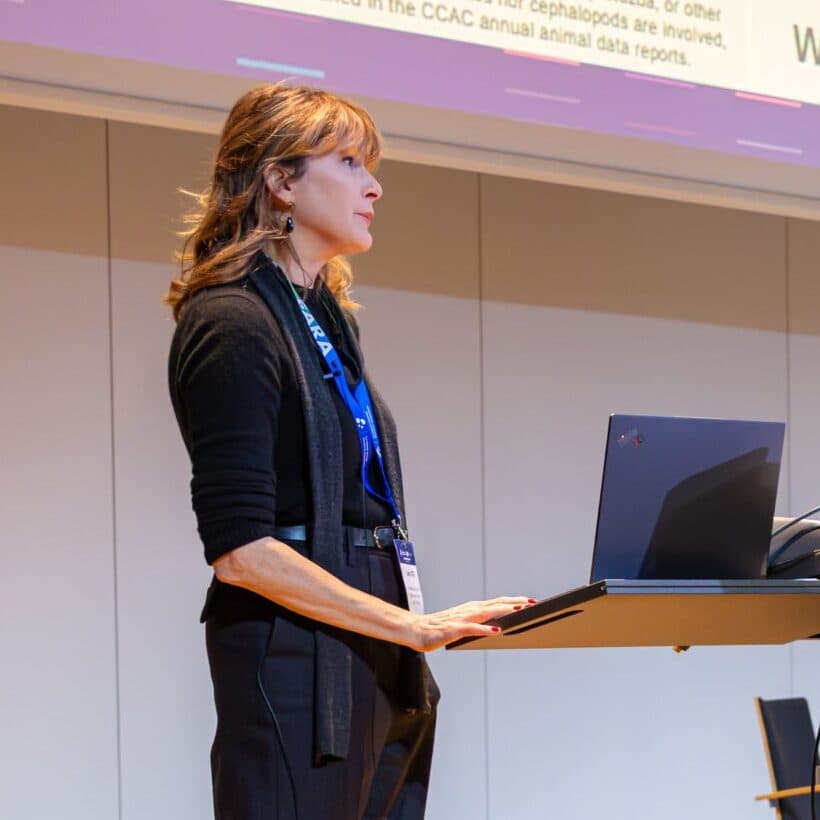
2025: A Canadian Odyssey for Transparency
Lucie Côté, Research Institute – MUHC, Canada
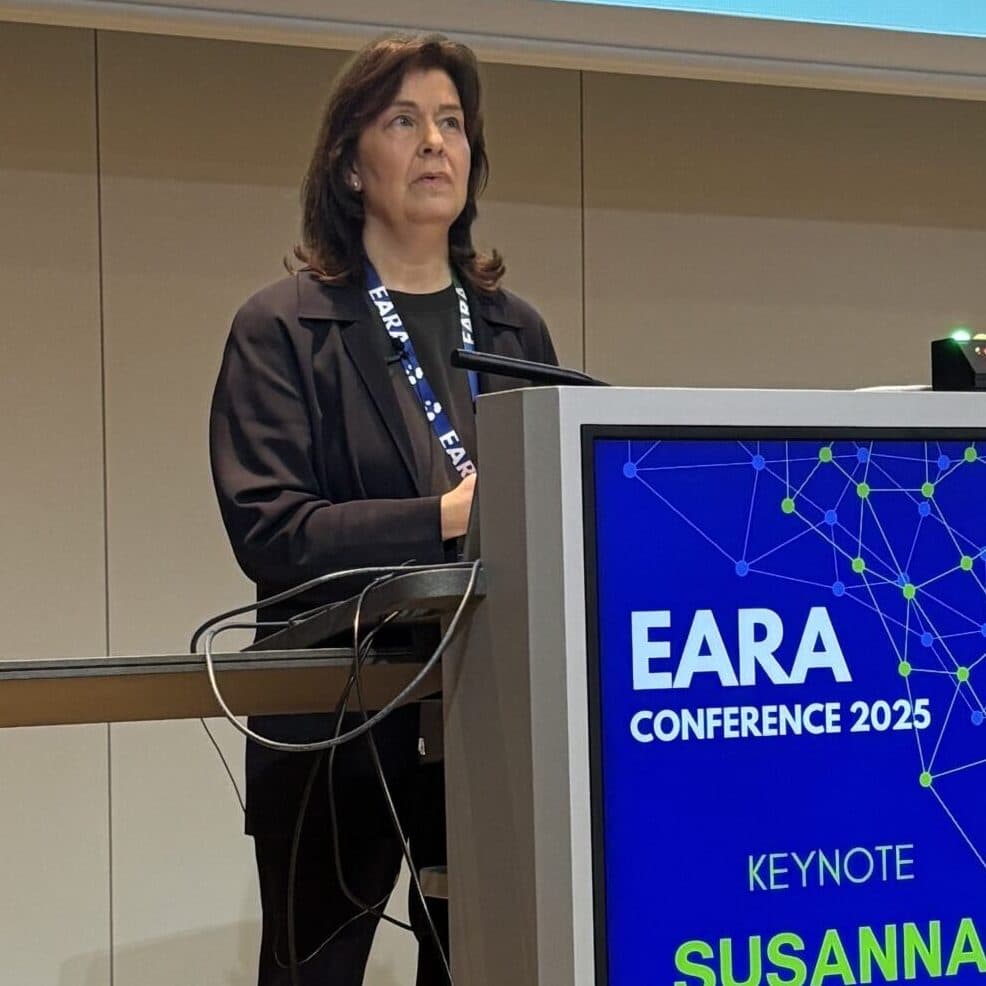
Leading the way: Transparency to drive progress and informed exchange in animal research
Susanna Louhimies, European Commission
Sessions
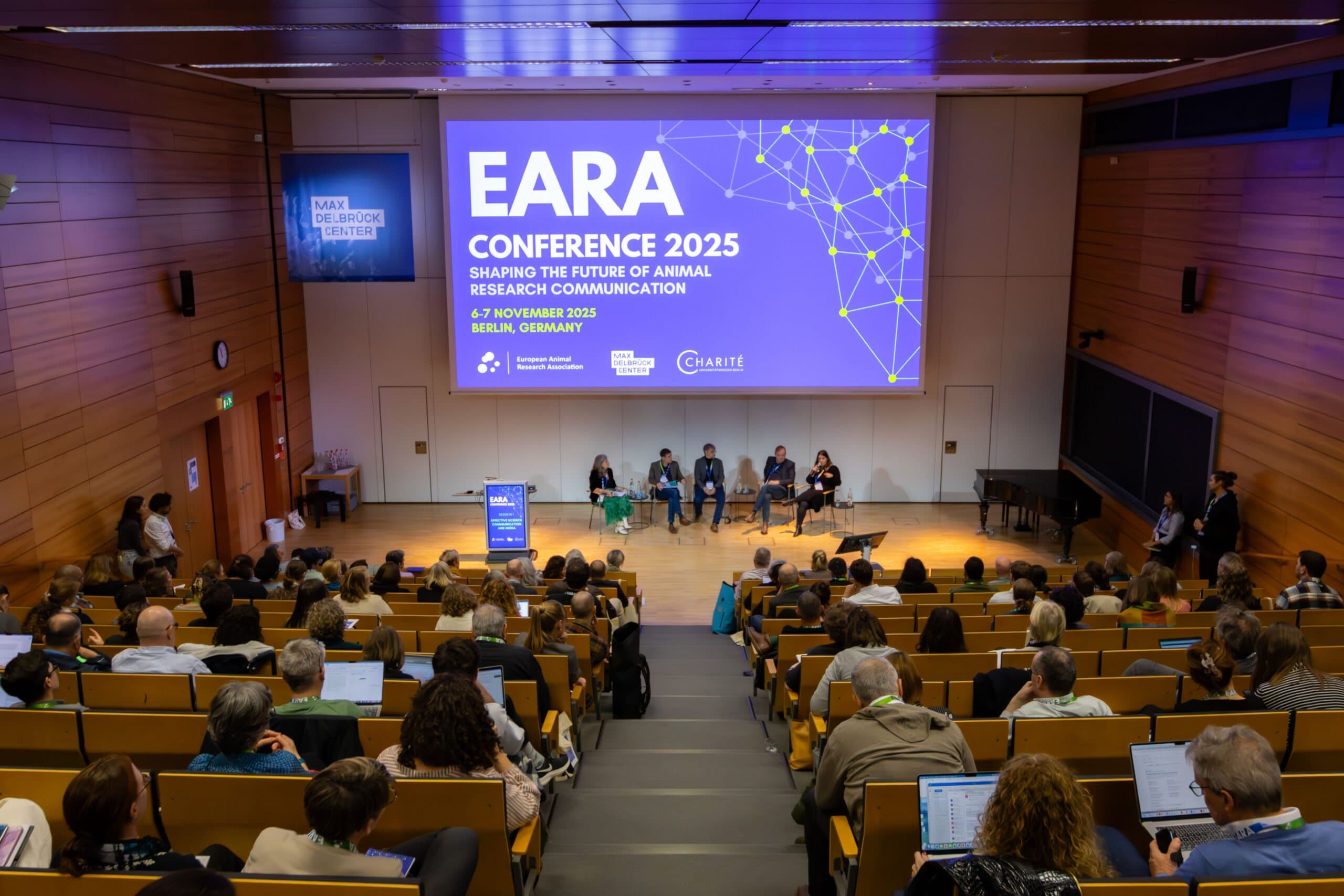
Effective science communication and media
Sascha Karberg, Der Tagesspiegel, Germany
Volker Stollorz, Science Media Center, Germany
Alba Morán-Álvarez, Spanish Agency for Medicines and Medical Devices, Spain
Andy Ridgway, University of the West of England, UK
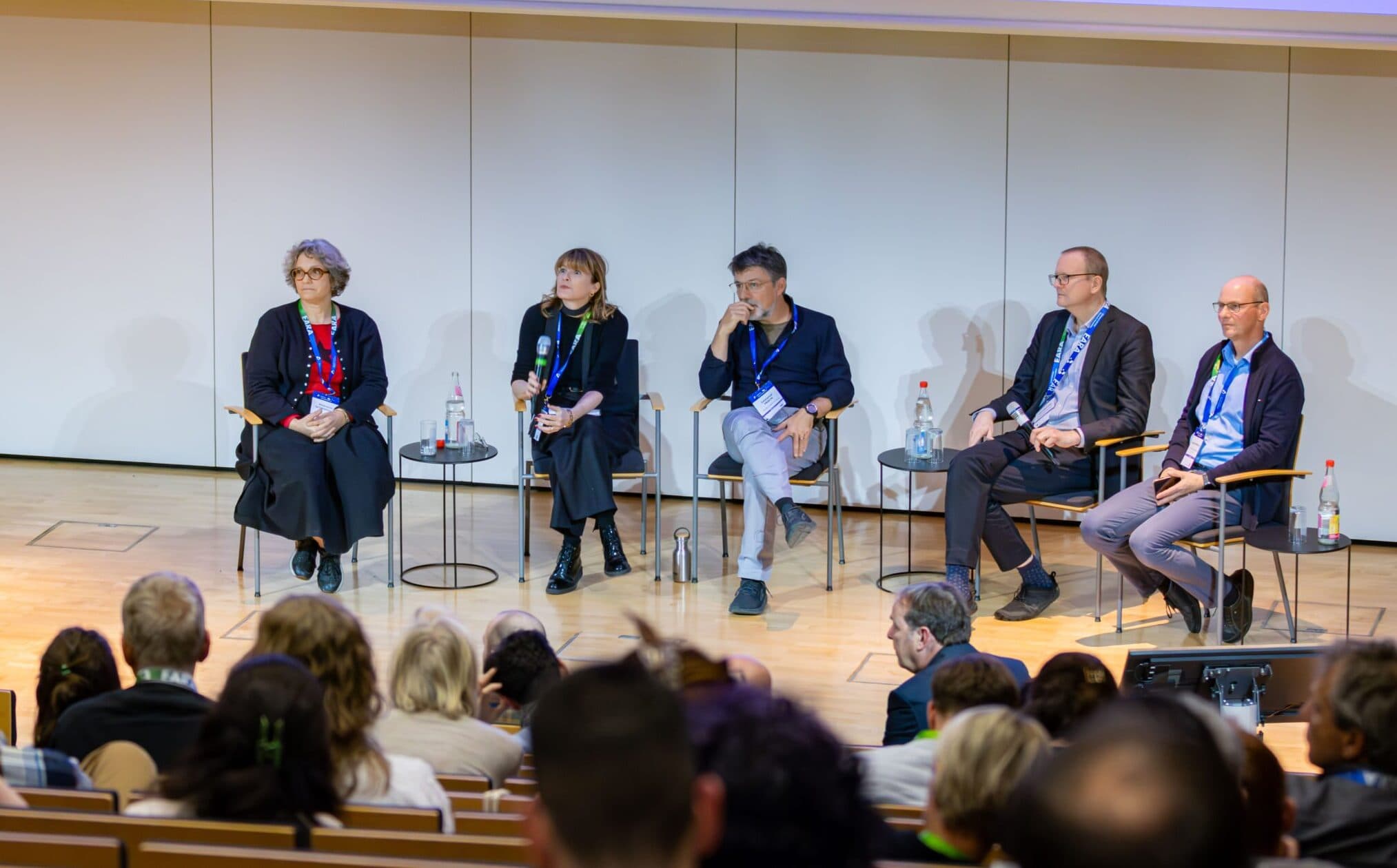
Communicating ethics and legal frameworks
Athanassia Sotiropoulos, French 3R Center, France
Stefan Hippenstiel, Charité 3R Center, Germany
Klas Abelson, University of Copenhagen, Denmark
Emmanuel Procyk, INSERM/EU-Simia, France
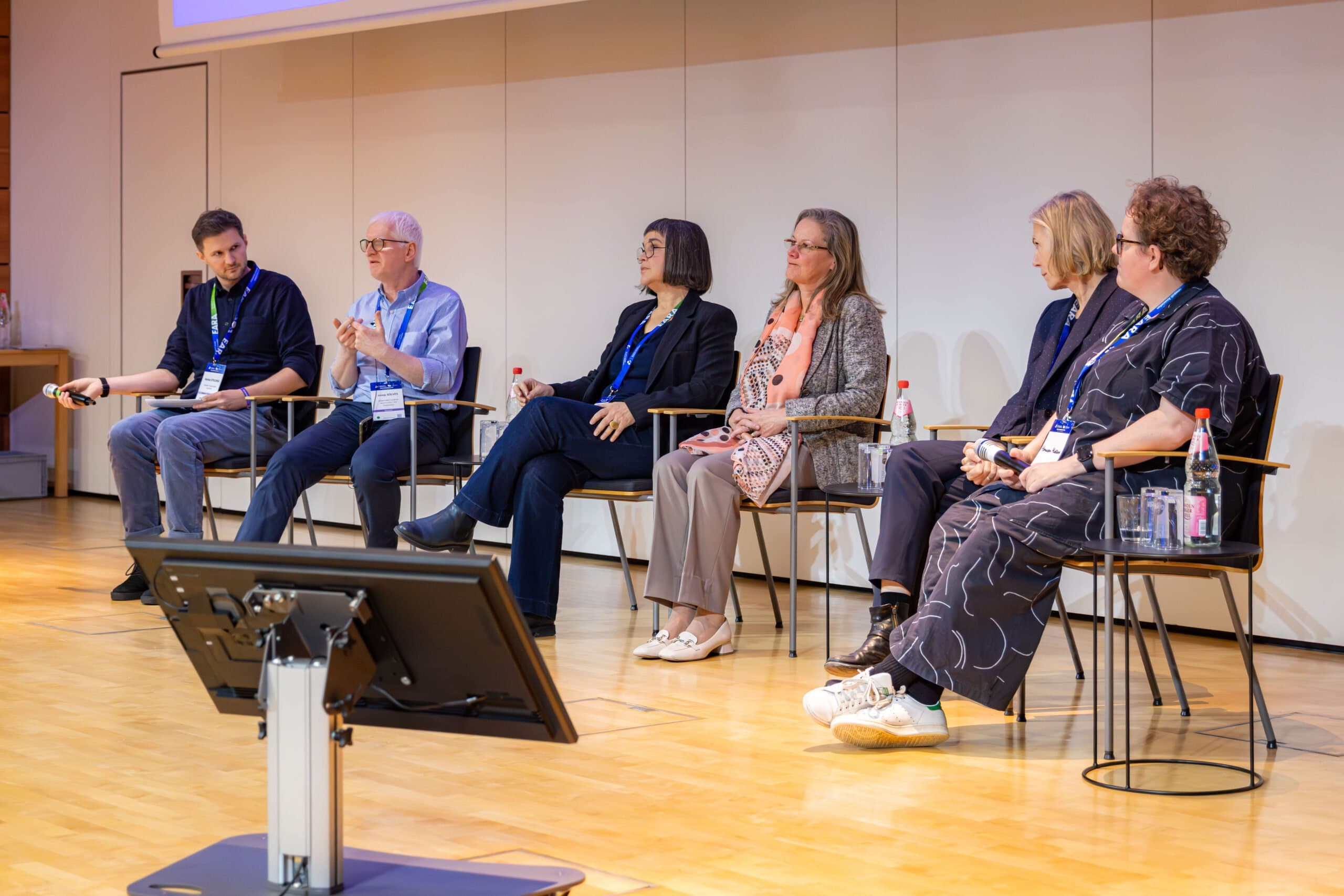
Transparency and openness in animal research
Hannah Hobson, Understanding Animal Research, UK
Vera Glasser, Max Delbrück Center, Germany
Julia Biederlack, Charité Berlin, Germany
Michaela Dinboeck, Novartis Pharma AG, Switzerland
Josep Solves, Universidad Cardenal Herrera-CEU, Spain
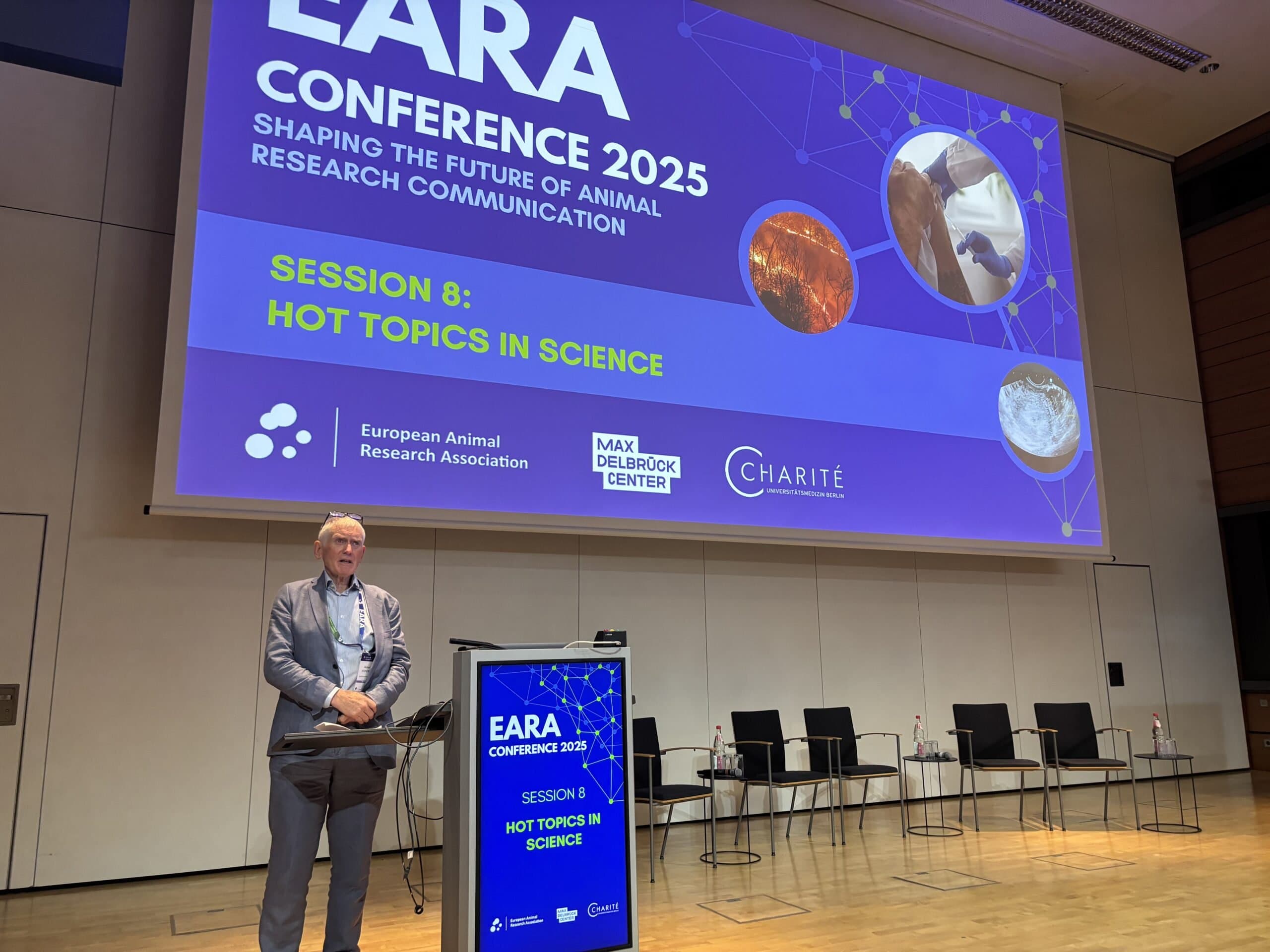
Hot topics in science
Fiona Fox, Science Media Centre, UK
Michael Fitzpatrick, UK
Josef Zens, Helmholtz-Zentrum für Geoforschung, Germany
full programme book
Key Takeaways
- Factual, accurate communication and emotions should not be treated as opposites, but intentionally balanced.
- It’s important that biomedical experts engage on platforms where the public gets informed to take health decisions, including new social media platforms like TikTok and AI-mediated search.
- Refinement, a core component of the 3Rs, remains under-communicated to public audiences.
- Patient advocates should be at the forefront of health research communication efforts, supported by transparent institutions.
- When building public understanding, dialogue consistently outperforms confrontation.