
Research from the US has found that areas of tissue where an HIV-like virus persists in non-human primates share features with some tumours that are particularly good at keeping immune cells out, potentially revealing new approaches to targeting persistent HIV.
SIV (simian immunodeficiency virus) is a virus related to HIV that causes infections in non-human primates and is known to persist despite treatment. Due to its similarity to the virus that infects humans, it’s a crucial model for HIV research.
Instead of looking only at infected cells, researchers at Northwestern University, Illinois, examined their “neighbourhood”—the other cells and biological signals around them. Through detailed imaging and gene activity analysis in rhesus monkeys, researchers found that areas in the gut where the SIV persisted resembled “cold” tumours, which create surroundings that make it difficult for immune cells to enter and attack them. By contrast, less persistent areas were more similar to “hot” tumours, where immune cells can enter. These small pockets of viruses remain in the body during treatment and can restart infection if treatment stops.
Ramon Lorenzo-Redondo, assistant professor of medicine at Northwestern and lead author of the study published in Frontiers in Immunology, said: “We think the virus promotes a whole sanctuary-type environment that allows it to survive, but also, because it’s immune exclusive, it stops the cells that are supposed to kill the virus.”
The findings suggest that HIV treatments might need to target the environment around infected cells and potentially draw on approaches used in cancer research to help the immune system reach its targets.
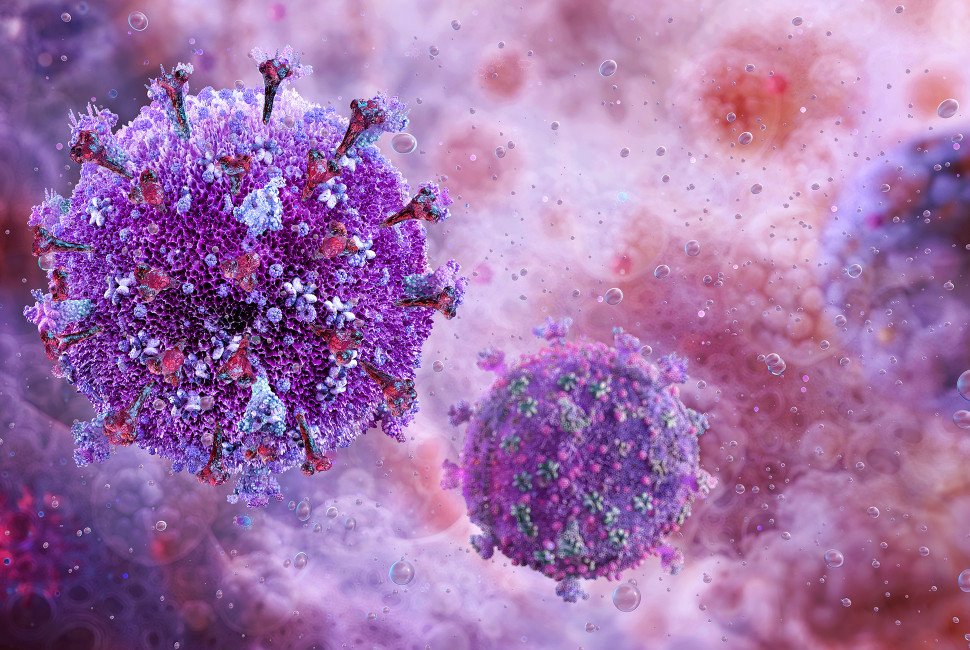
HIV viruses. CREDIT: Northwestern University