
An article published by the Science Media Centre Spain, by journalist Jesús Mendez, highlighted the importance of balanced communication when sharing discoveries of treatments that appear to be effective in preclinical studies in animals.
The path that separates research from a treatment is usually longer than a decade, and only five to ten per cent of drugs make it to regulatory approval. Thisapparently low success rate is often misleadingly linked to the inefficacy of animal research, ignoring the complexity associated with the development of effectivetherapies, including design and execution of human clinical trials and even commercial viability.
Simplistic communication that does not acknowledge the limitations of all models of research and recognises the challenges of clinical research can create false expectations and feed further disinformation.
“A headline that omits the fact that the research was carried out in mice may be more eye-catching, but it is essential to include this information and resist drawing hasty conclusions,” said Lluis Montoliu, researcher at the EARA member National Centre for Biotechnology (CNB-CSIC) and former chair of the ethics committee, while stressing the vital role of preclinical studies using animals: “Much of this research cannot be carried out unless it is conducted within a complex system, within a living organism.” The article details the steps involved in determining whether a drug works in humans, as well as the characteristics of different disease models and the timelines of clinical research.
“[The key is] being able to communicate advances that are considered important in a simplified, but not simplistic, way, explaining the limitations, the need for clinical trials, whether these are expected to take place, and the estimated timeframe for their completion. It is essential not to create false expectations among today’s patients,” added Ignacio Melero, immunologist from the University of Navarra, also an EARA member.
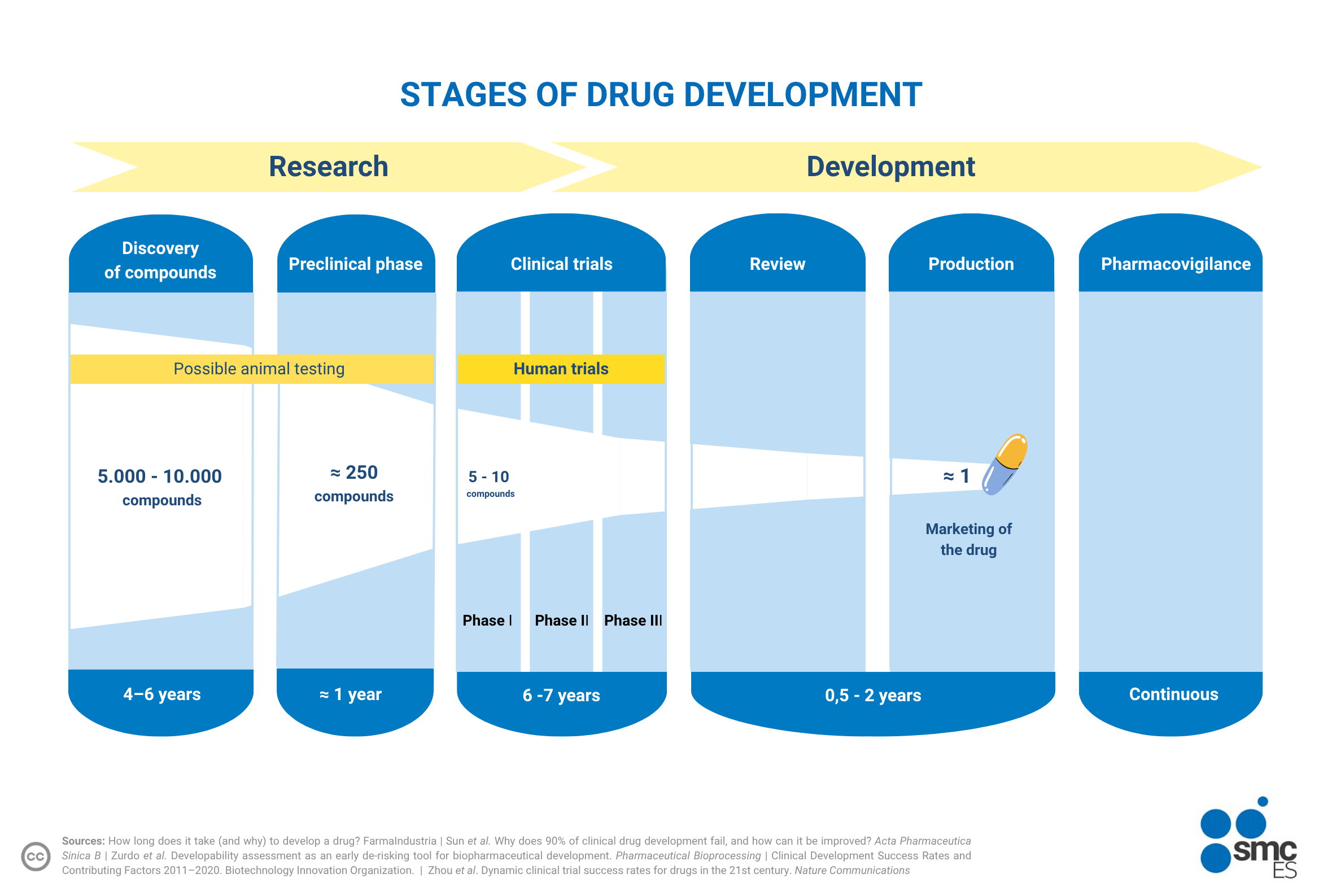
CREDIT: SMC Spain