
Researchers in Germany and Sweden found a drug that prevented long-term changes in social behaviour caused by early-life trauma in mice.
Early-life adversity increases the risk of developing mental health conditions later in life, including depression, anxiety and post-traumatic stress disorder.
The protein FKBP51 is known to play an important role in regulating the body's response to stress, so researchers from EARA members the Max Planck Institute of Psychiatry and Karolinska Institutet investigated whether blocking it could prevent the long-term effects of early-life stress.
The researchers mimicked early-life adversity in mice by reducing the nesting and bedding material available to mother mice during the first days after birth, creating a stressful environment for the pups.
Using an automated system that uses cameras and AI to continuously track social interactions, they found that male mice exposed to early-life stress were less successful in social interactions and more likely to end up at the bottom of their group's social hierarchy during adolescence and adulthood.
However, mice treated during this period with SAFit2, a drug that blocks the stress protein FKBP51, developed normal social behaviour and social hierarchies, similar to mice that had not experienced early-life stress. This was validated in brain gene activity with coinciding results.
"While we cannot always prevent the occurrence of early life adversity itself, this work opens up a vital preventative window. It offers a clear path toward developing targeted, proactive treatments that stop stress from becoming permanently embedded as psychiatric disease risk," said Juan Pablo Lopez, from Karolinska Institutet and co-lead author of the study published in Advanced Science.
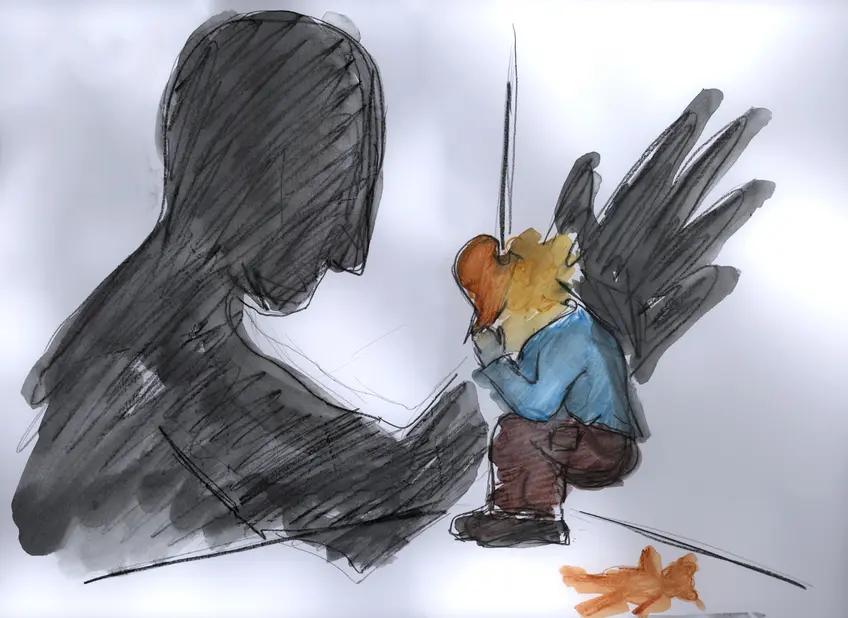
CREDITS: Â MPI of Psychiatry