
Researchers in the UK have identified genetic changes linked to aggressive tumours that develop spontaneously in geckos, offering insights into how cancer develops and spreads.
Most laboratory animals used in cancer research require tumours to be induced experimentally. In contrast, more than 80% of a type of gecko — lemon frost leopard geckos — naturally develop aggressive tumours early in life that often spread throughout the body, making them a valuable model for studying metastatic cancer.
A team of researchers from the University of Nottingham and the University of Birmingham compared the DNA of tumour and healthy tissue from these geckos to identify genetic changes linked to cancer. They found the same genetic changes in several tumours, affecting genes that are already known to play a role in cancer in different animals, including in humans. They also identified changes in cell movement that are linked to tumour growth and spread.
“By studying why some animals are so susceptible to cancer while others are remarkably resistant, we hope to uncover the different ways species have evolved to deal with cancer […] Together, these natural strategies could inspire new ways of preventing, detecting and treating cancer in humans,” said Ylenia Chiari, from the University of Nottingham and lead author of the study published in BMC Biology.
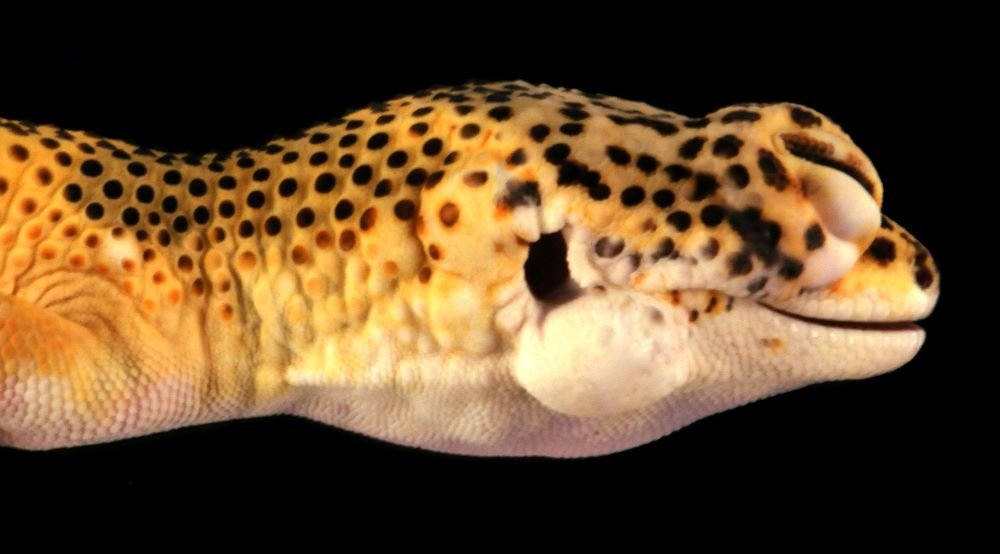
Lemon Frost gecko with several tumours on the head. CREDIT: Robert Ossiboff, University of Florida