
An article published in Nature, by science journalist Christine Ro, assembled advice from three scientists, directed to early-career PhD students, on how to manage stress associated with performing research with animals.
Research professionals who work with animals can suffer from compassion fatigue — physical, psychological and behavioural symptoms induced by stress caused by exposure to animal distress. These symptoms, which particularly affect young researchers, namely such as PhD students, often stem from public and peer stigma and a lack of structural support in academia for students.
In a letter, a PhD student raised concerns about how their research using mice is causing them anxiety, loss of weight and leading them to question their fitness for their work, passion for science and relationship with animals. In response, three main pieces of advice were highlighted: connect with others, care for yourself and allow for a range of feelings.
Fernando Gonzalez-Uarquin, a postdoctoral researcher at EARA member the University Medical Center Mainz, in Germany, and María Laura Gutiérrez, a biologist at Argentina’s National Scientific and Technical Research Council, Argentina, highlighted training and the importance of connecting with others. “When students are mocked for showing emotion about animal research, that reflects a problem with the research culture,” said Fernando Gonzalez-Uarquin.
Heather Hersh, a clinical psychologist who runs workshops for early-career researchers working with animals, stressed the importance of self-care practices, underlining that: “If you’re not taking good care of yourself, you’re not going to be able to take good care of the animal and do this good work.”
In a final piece of advice, the researchers reflected on the importance of welcoming a range of feelings about the work using animals, highlighting that becoming more habituated to the work while encompassing empathy and awareness about its ethical dimension, which are keys for responsible research, will contribute to a calmness and confidence that benefits both researchers and animals.
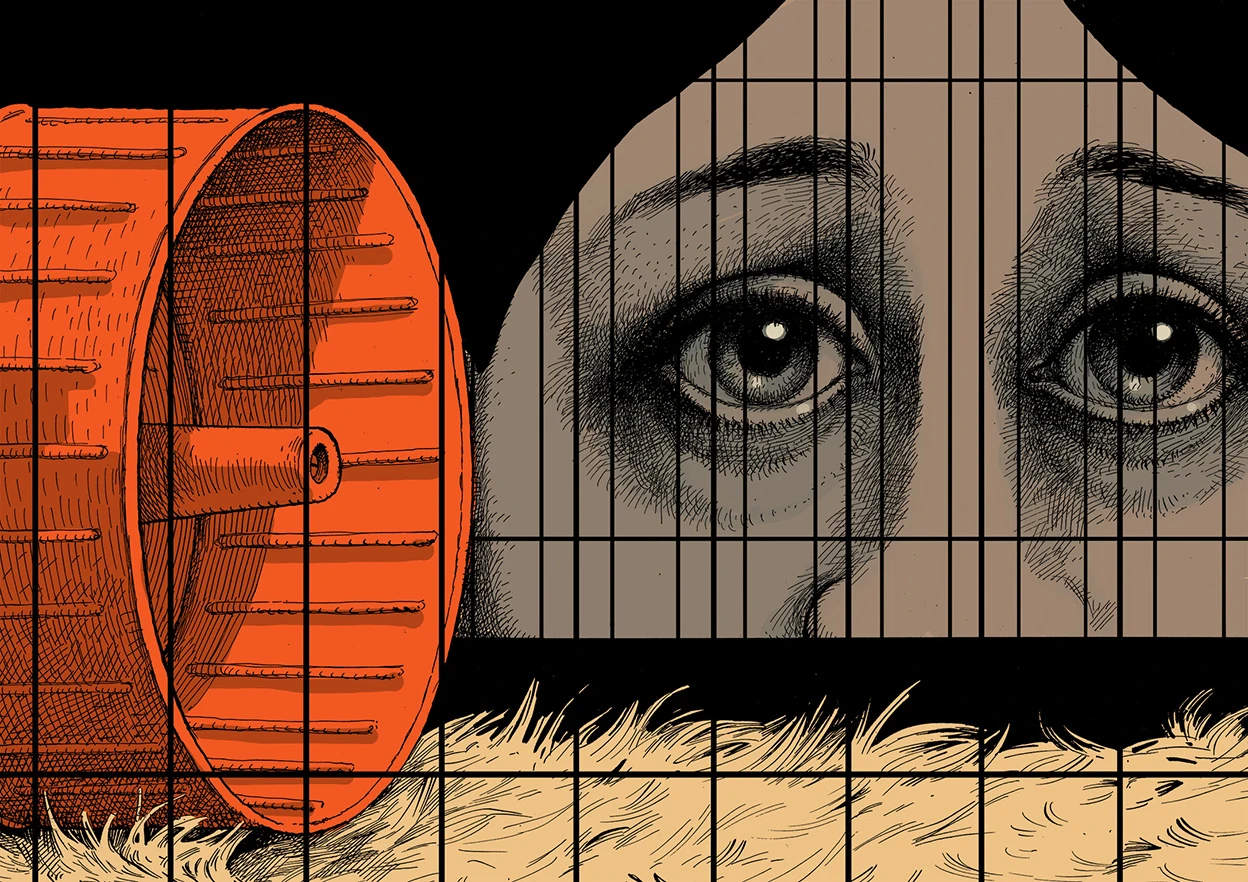
Illustration: David Parkins