
Researchers in Canada have discovered that an approved leukaemia drug can improve ageing processes in mice.
Metabolic conditions such as type 2 diabetes have long been linked to excess weight, but growing evidence shows that fat tissue alterations play a central role. As fat tissue ages, older damaged dying cells—known as senescent cells—accumulate but are normally replaced. Obesity and ageing disrupt this process, leading their accumulation and, consequently, fat tissue begins to store fat abnormally, releasing inflammatory signals and lose its ability to regulate blood sugar levels.
A team from the Hospital for Sick Children, which is affiliated with EARA member University of Toronto, in collaboration with Yeungnam University (South Korea), tested over 2,000 drugs already used in clinical settings using multiple human cell types and identified compounds that could selectively target senescent fat cells while sparing healthy ones.
Homoharringtonine (HHT), an approved leukaemia drug, eliminated senescent fat cells, restored the normal function of fat tissue, reduced inflammation and prevented metabolic alterations when tested in obese, ageing mice, even in low doses. Treated animals also maintained muscle strength and physical activity, showed reduced signs of cellular ageing and had an extended lifespan.
"Here we have an approved medication that, when used at low doses, can selectively eliminate aged fat cells while at the same time making other cells healthier and in fact younger," said Hoon-Ki Sung, Scientist from the Hospital for Sick Children and one of the lead authors of the study published in Nature Communications.
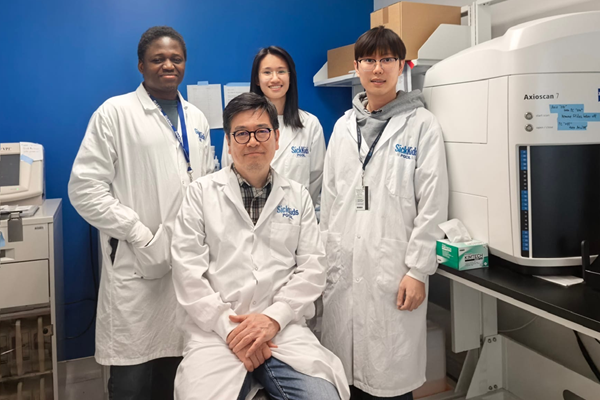
CREDITS: Hospital for Sick Children