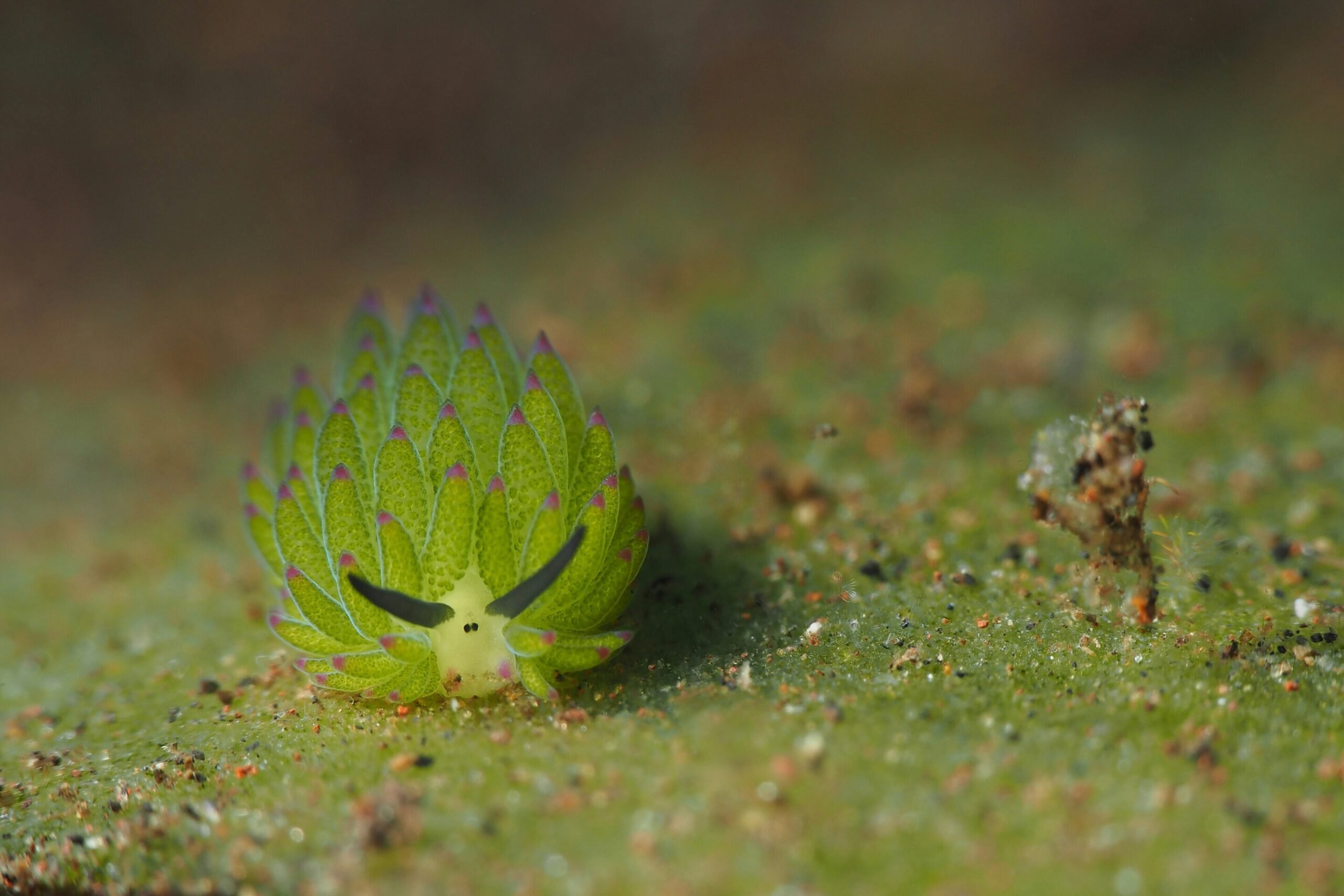
A new study from the US with sea slugs suggests that the timing between learning sessions may be controlled by a built-in biological ‘timer’ in nerve cells.
Previous research has shown that spreading learning over several days is more effective than packing everything into a single session. However, why this timing matters and what happens if intervals are shorter or longer has remainedunclear.
Researchers at the University of Texas Health Science Center Houston used the sea slug Aplysia, a mollusc widely used in neuroscience due to its simple nervous system, to answer these questions.
Instead of measuring behaviour directly, the team stimulated nerve cells with serotonin—a hormone that functions as a chemical signal used by neurons to communicate—at specific time intervals. The team found that only after a second exposure (24 hours later) did the electrical activity of sea slug nerve cells associated with memory formation change. Shorter (18 hours) or longer (32 hours) intervals did not produce this effect.
The researchers linked this timing effect to transcription factors, proteins that control whether specific genes are turned on or off. In this case, two of these proteins —CREB1 (which activates gene expression) and CREB2 (which represses it)—act together like an hourglass, creating a narrow window in which a second serotonin stimulus can effectively reinforce memory.
"Extrapolating this to a situation with people, if you learn something at 1 p.m. one day, our findings suggest that it may be best for your memory if you are exposed to it again the next day at the same time," said John Byrne, researcher from the University of Texas Health Science Center Houston and lead author of the study published in The Journal of Neuroscience.
While researchers note that validation in more complex animals, where learning behaviour can be directly assessed, is needed, this work with sea slugs is a good example of partial animal replacement to reduce the overall number of animals used.