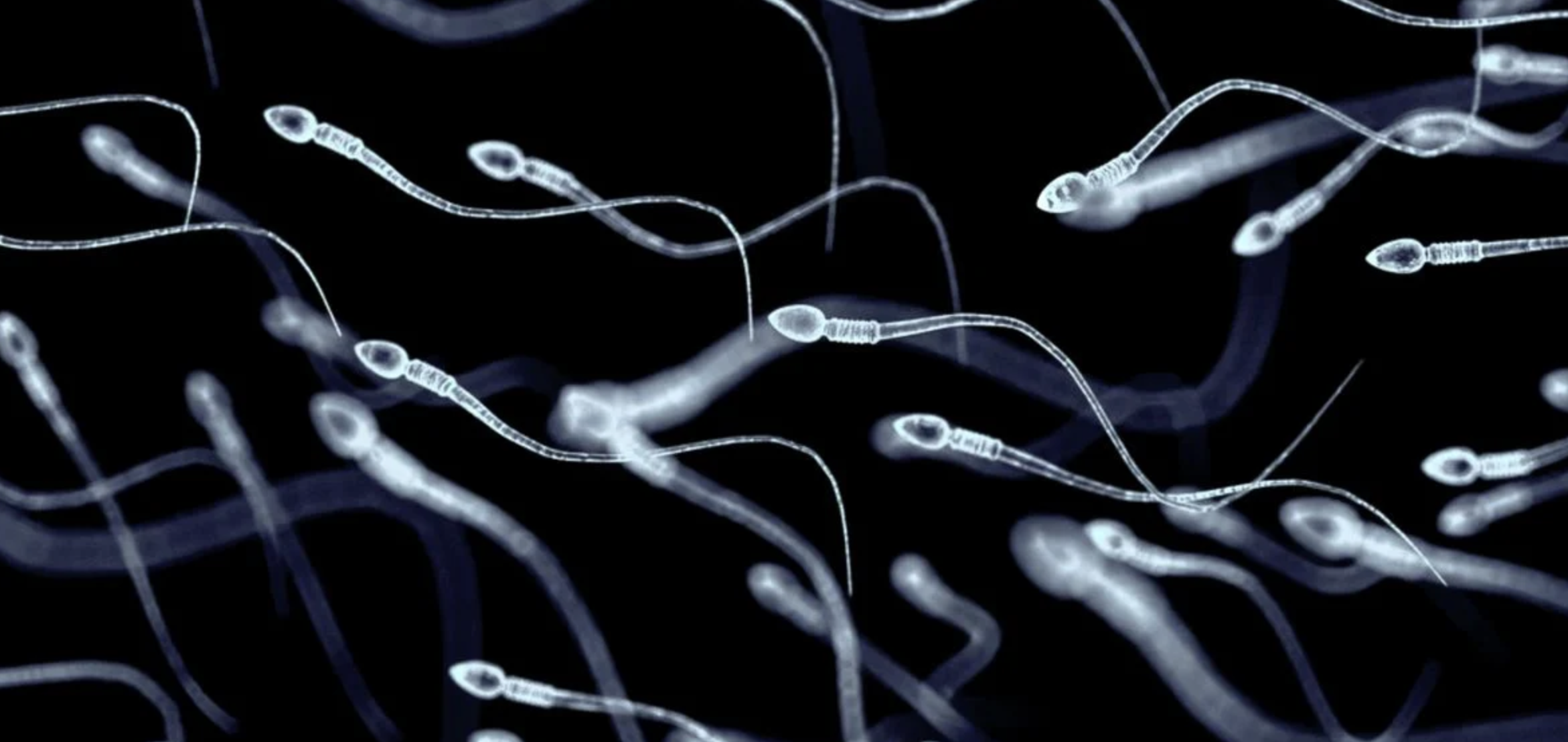
A study from the UK has found that sperm stored inside the body for long periods deteriorate in quality, suggesting ways to boost fertility in animals, humans included.
Current World Health Organisation guidelines recommend two to seven days of abstinence before providing a semen sample for assisted reproduction.
New research from the University of Oxford indicates otherwise. The team conducted a meta-analysis — a study that pools and analyses data from several independent studies — based on 115 human studies and 56 studies across 30 non-human species, ranging from insects to mammals.
They found that mature sperm stored in the reproductive tract undergoes post-meiotic sperm senescence (PMSS) — a process by which sperm cells age, lose motility and accumulate DNA damage. This process was independent of the age of the male. In animals, this process reduced fertilisation success and embryo quality and connected patterns of DNA damage and reduced motility were observed in human sperm.
Female animals were actually better at preserving male sperm quality, due to already specialised organs that provide antioxidants and reproductive fluids, likely reflecting evolutionary adaptations to ensure fertilisation success.
Clinical data involving 453 couples undergoing in vitro fertilisation support these findings: when men abstained for fewer than 48 hours, the pregnancy rate was 46%, compared with 36% for those who followed a longer abstinence period.
“This could provide unexplored avenues for biomimicking technology to improve artificial sperm storage in the future,” said Irem Sepil, from University of Oxford and author of the study published in Proceedings of the Royal Society.
These findings could influence fertility protocols not only in human clinics but also in captive breeding programs for endangered species, where maximising embryo quality is critical for conservation.