
Researchers in the US have developed a gene therapy that was able to control an HIV-like infection in six monkeys for more than one year after a single injection.
Although antiretroviral drugs can successfully control HIV, people living with the virus still require lifelong treatment. Completely eliminating HIV from the body has proven difficult because the virus can remain hidden in infected cells for long periods. Researchers are therefore exploring alternative approaches that could provide long-term viral control without the need for continuous medication.
A team at Oregon Health & Science University (OHSU) developed a gene therapy based on an antibody called leronlimab, which blocks CCR5, a receptor on immune cells that HIV uses to enter and infect them. The approach was inspired by the discovery that people carrying a rare mutation in the CCR5 gene are naturally resistant to HIV infection.
The researchers delivered the antibody gene, using an adeno-associated virus (AAV)—a modified virus commonly used in gene therapy to transport genetic material into cells, into 19 rhesus macaques previously infected with SHIV, a virus combining parts of HIV and the simian immunodeficiency virus (SIV). The treatment was designed to make muscle cells continuously produce the CCR5 antibody.
In six monkeys, the treatment prevented SHIV from efficiently infecting new cells for more than a year after a single low-dose injection, keeping the virus levels undetectable or extremely low.
In seven monkeys, the immune system reacted against the gene therapy, reducing the antibody levels in circulation. However, in some of these animals, the CCR5 antibody became detectable again months later without triggering a renewed immune response, suggesting the treatment began to be tolerated by monkeys over time.
“There’s a love story between HIV and CCR5, and if you can stop HIV from accessing its dance partner, it’s not going to tango,” said Jonah Sacha to Science, a researcher at Oregon Health & Science University (OHSU) and Oregon National Primate Center, who led the study published in Science Translational Medicine.
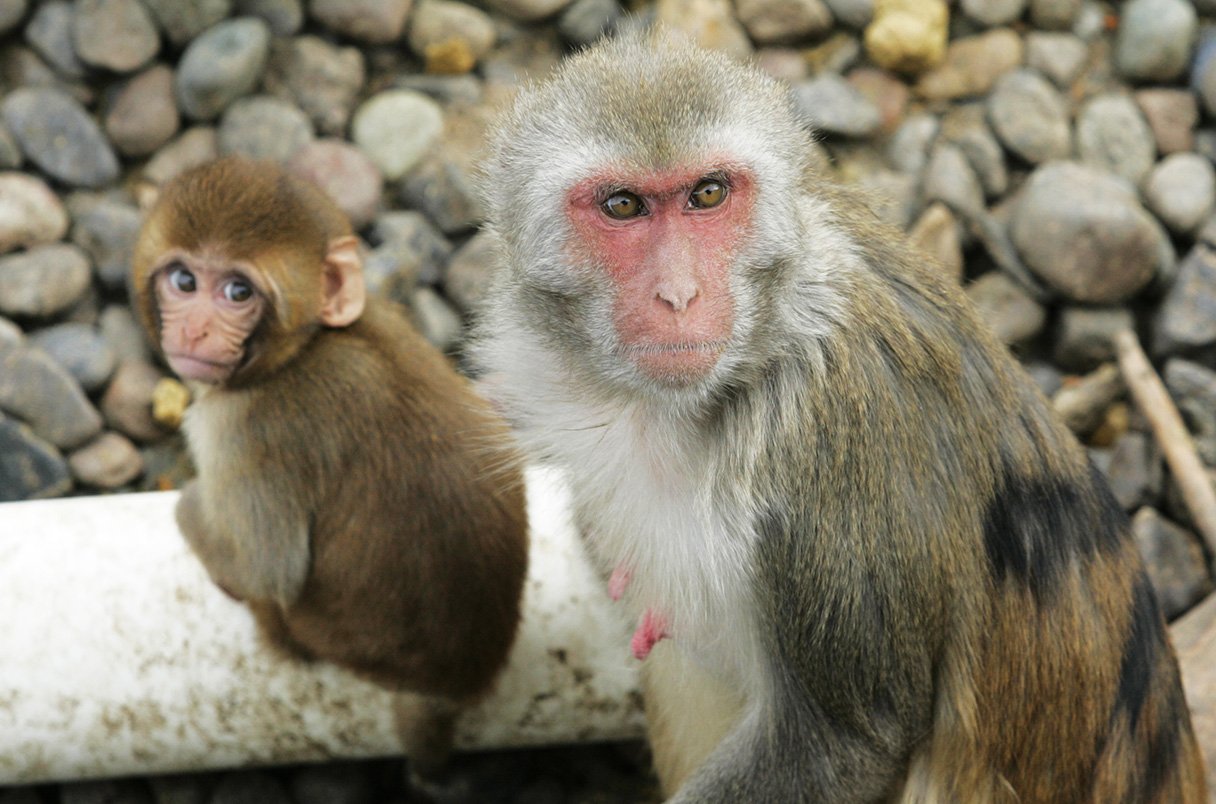
CREDITS: RICHARD CLEMENT/REUTERS