
A study in Australia used genetically altered zebrafish to mimic aspects of conditions such as schizophrenia and autism in humans, creating a collection of new models for mental health research.
Neurexin genes have been strongly associatedwith psychiatric disorders. Despite the contribution of animal models such as rodents to studying them, their role in psychiatric diseases remains unclear, and there is a lack of models to evaluate their impact in the developing brain.
Thus, researchers from Griffith University partially and fully deleted different genes from the neurexin family in zebrafish.
"These animals function and behave remarkably normally early in life, but as they mature, removing specific neurexin genes led to profound changes in their social behavior, anxiety and aggression, features also affected in patients with surprisingly comparable timing," said Jean Giacomotto, Griffith researcher and leader of the study published in Molecular Psychiatry. Different neurexin genes influenced distinct behaviours, providing insights into the role of neurexins in psychiatric conditions.
"Because they mimic the human disease trajectory, we can now work backward and identify when brain circuits begin to diverge, what triggers that transition, and whether we can intervene before severe behavioral changes emerge and possibly after to reverse them," added Jean Giacomotto.
The study also argued for the importance of genes in shaping interactions with others and the environment, which are often considered to be influenced primarily by the environment and previous experience.
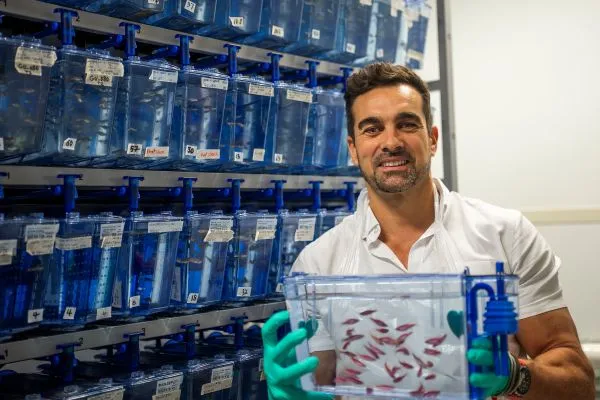
Jean Giacomotto. CREDITS: Griffith University.