
US researchers have released the first complete genome of the common marmoset, providing a detailed resource for studying the species’ biology, evolution and diseases that also affect humans.
Marmosets, small monkeys native to South America, are increasingly used in biomedical research because they are more closely related to humans than species such as mice, while being smaller than other non-human primates such as macaques, making them easier to handle. They also experience age-related memory loss, making them useful for research into neurological diseases such as Alzheimer’s.
The first marmoset genome was published in 2014 but contained gaps and errors in gene annotation. Researchers at the UC Santa Cruz Genomics Institute, California, used new computational methods for assembling DNA sequences to produce a complete reference genome — a standard DNA sequence used to identify genetic differences between individual marmosets.
The team compared genetic information from 230 marmosets from different captive colonies with the new reference genome and found variation in genes linked to Alzheimer’s disease in humans, including PSEN1, which is associated with early-onset familial Alzheimer’s disease. They also identified variations in genes involved in the immune system and unexpected differences between males and females in the distribution of ribosomal DNA, which contains the genes needed to produce proteins.
“We see variation in these marmosets in the same genes that we do in humans, further reinforcing the idea that the marmoset is a good model for studying Alzheimer's disease in humans,” said Prajna Hebbar, from UC Santa Cruz and first author of the study published in Cell.
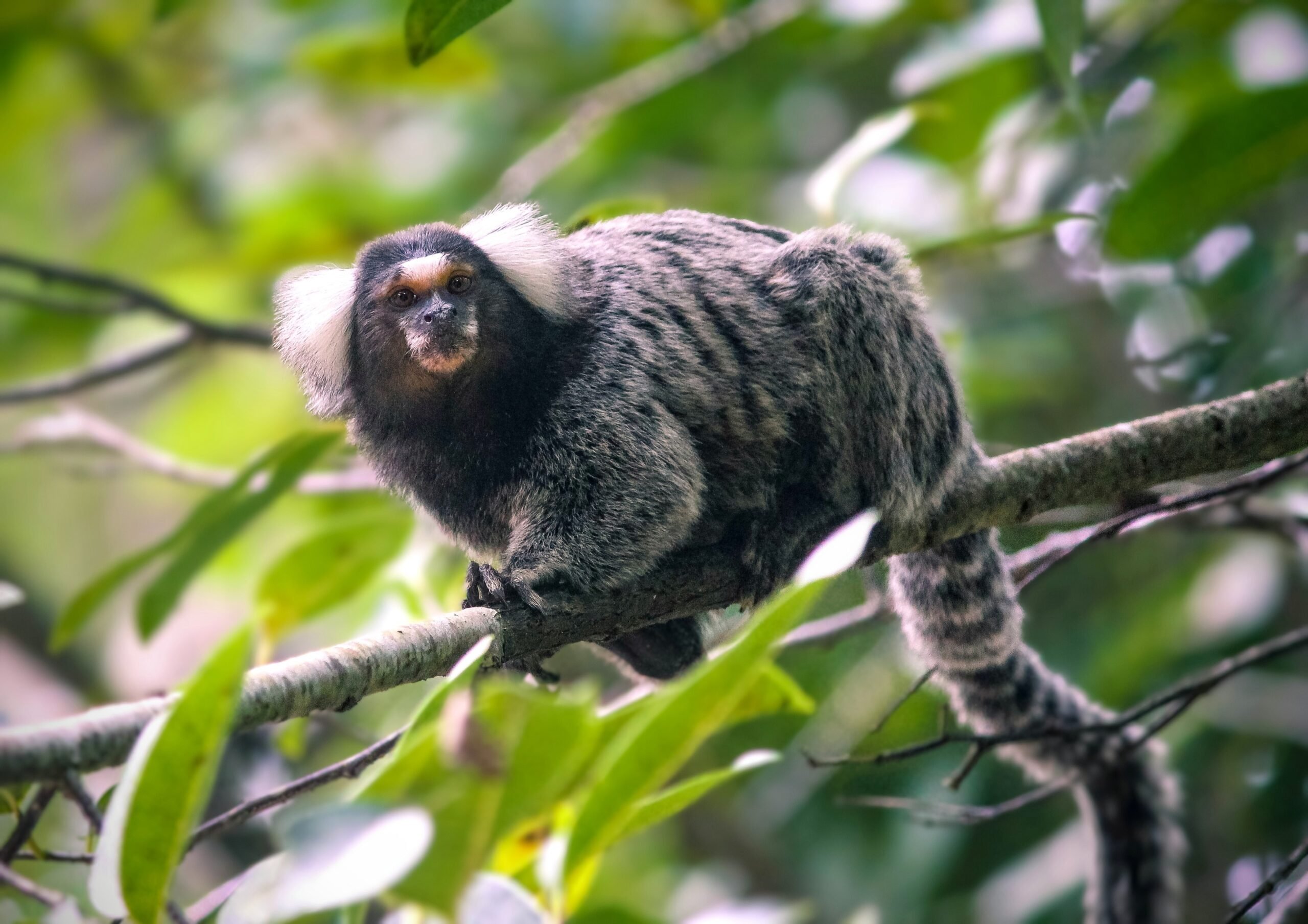
Common marmoset. CREDIT: Nani Rossetti/ Getty Images