
A personalised mRNA cancer vaccine, used alongside an approved cancer drug, has stopped recurrence in patients with skin cancer in a clinical trial in the US, following decades of animal research.
Melanoma, one of the deadliest forms of skin cancer, often returns after surgery. In a final stage, phase 3 human clinical trial with more than 1,000 patients with aggressive melanoma that had been surgically removed, a group of patients received intismeran, an mRNA vaccine developed by Merck and Moderna, in combination with anti-PD-1, an immunotherapy already used in cancer treatment.
People receiving the combined treatment survived longer and without cancer recurrence, compared with those who received anti-PD-1 therapy alone.
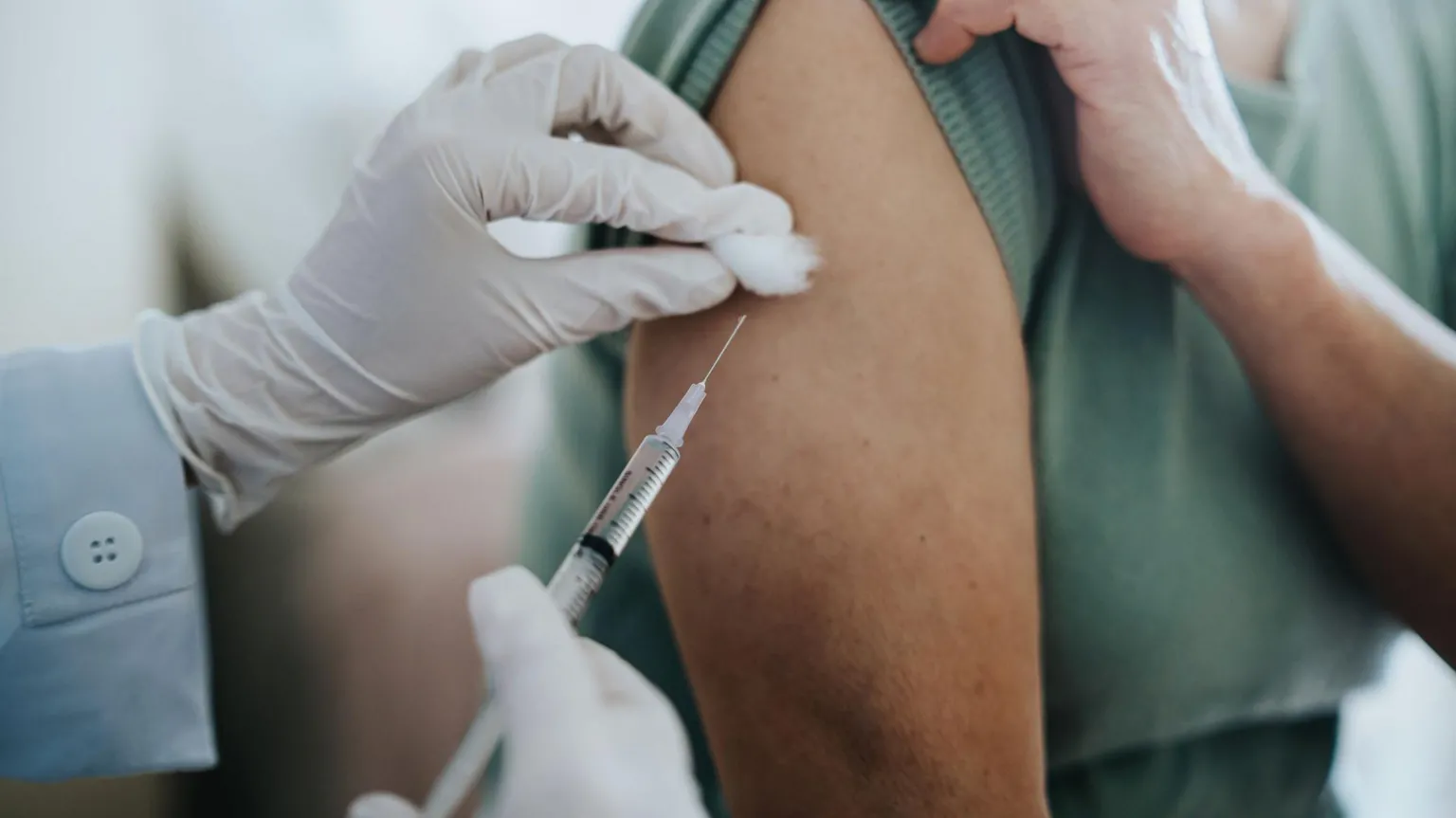
Intismeran, based on the same messenger RNA (mRNA) technology used in Covid-19 vaccines, and on decades of basic and translational research using animals, is developed to match each person’s unique cancer. Once injected, it instructs the body to produce the proteins present in each cancer, directing the immune system to kill its cells.
Before ever being administered in a human, the capacity of Moderna’s RNA vaccines to induce protective immune responses was studied in mice, ferrets and monkeys, and intismeran was tested in rats to establish safety.
"This is certainly good news for patients with melanoma, but the study has much wider implications. It provides proof of principle that personalised cancer vaccines work," said Lennard Lee, an oncologist and professor at the University of Oxford, UK, to the BBC.
According to Nature, vaccines using the same technology are under development for other diseases including pancreatic, colorectal and triple-negative breast cancers.
CREDIT: Getty Images