
Research from China found that two existing drugs can induce a hibernation-like cooling state after strokes in mice and monkeys, reducing brain injury and showing early safety signals in patients.
Acute ischaemic stroke happens when a blood clot blocks blood flow to the brain. Current treatments aim to remove the clot and restore circulation, but brain damage can continue even after blood flow returns.
A new study from Capital Medical University in Beijing, China, tested two existing drugs: chlorpromazine, used for schizophrenia and severe nausea, and promethazine, for treating allergies, nausea, and motion sickness, used together here as C+P, as potential new treatments for strokes.
In mice, researchers temporarily blocked a brain artery to mimic a stroke, then treated the animals with C+P while housing them in cold, normal or warm environments. The drugs produced a hibernation-like state, with lowered body temperature, slowed metabolism, reduced the size of brain injury and improved brain recovery without triggering shivering.
In rhesus monkeys, C+P was given intravenously after stroke-like conditions were induced. The treatment also lowered core body temperature, changing the body’s main energy source from sugar to fat, and reduced brain injury compared with untreated animals.
The team then also ran a small double-blind Phase I clinical trial involving 32 patients with acute ischaemic stroke, who received placebo or C+P at different doses. The treatment was safe and well-tolerated, and the highest dose resulted in a mild drop in temperature and slowed metabolism.
The findings, published in Science Translational Medicine, suggest that this drug-induced hypothermia and hibernation-like state could become an approach to protect the brain from further damage after a stroke, alongside existing treatments that restore blood flow. Larger human clinical trials are now needed to further evaluate the safety and efficacy of C+P treatment in patients with acute ischaemic stroke.
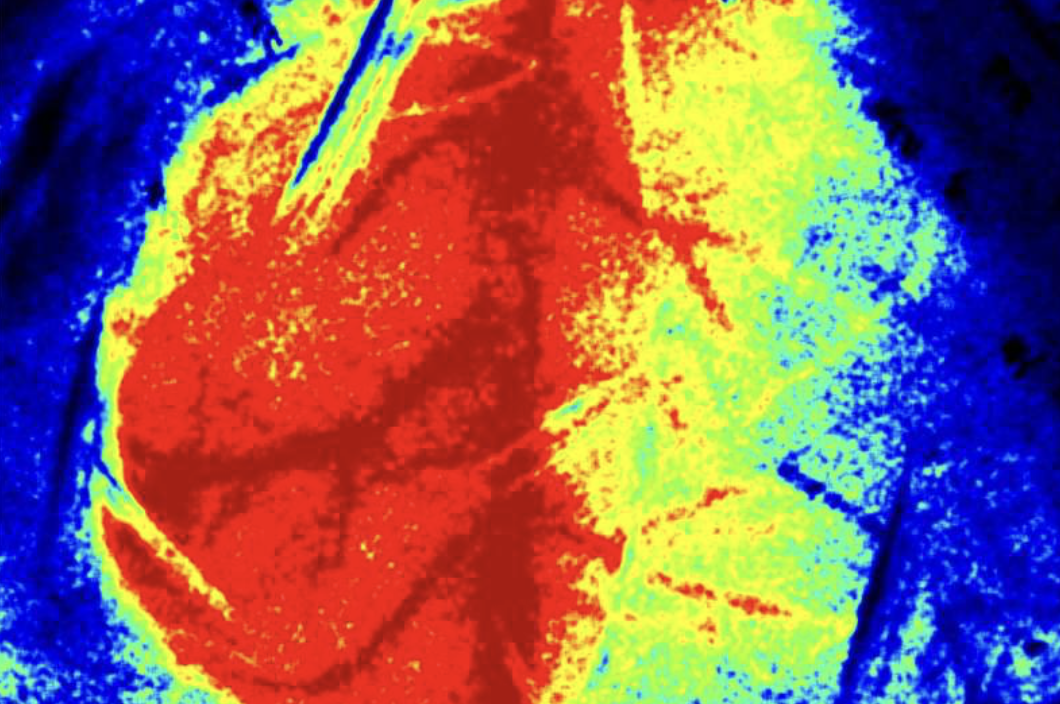
Cerebral perfusion after occlusion. Credit: Shuaili Xu et al. 2026