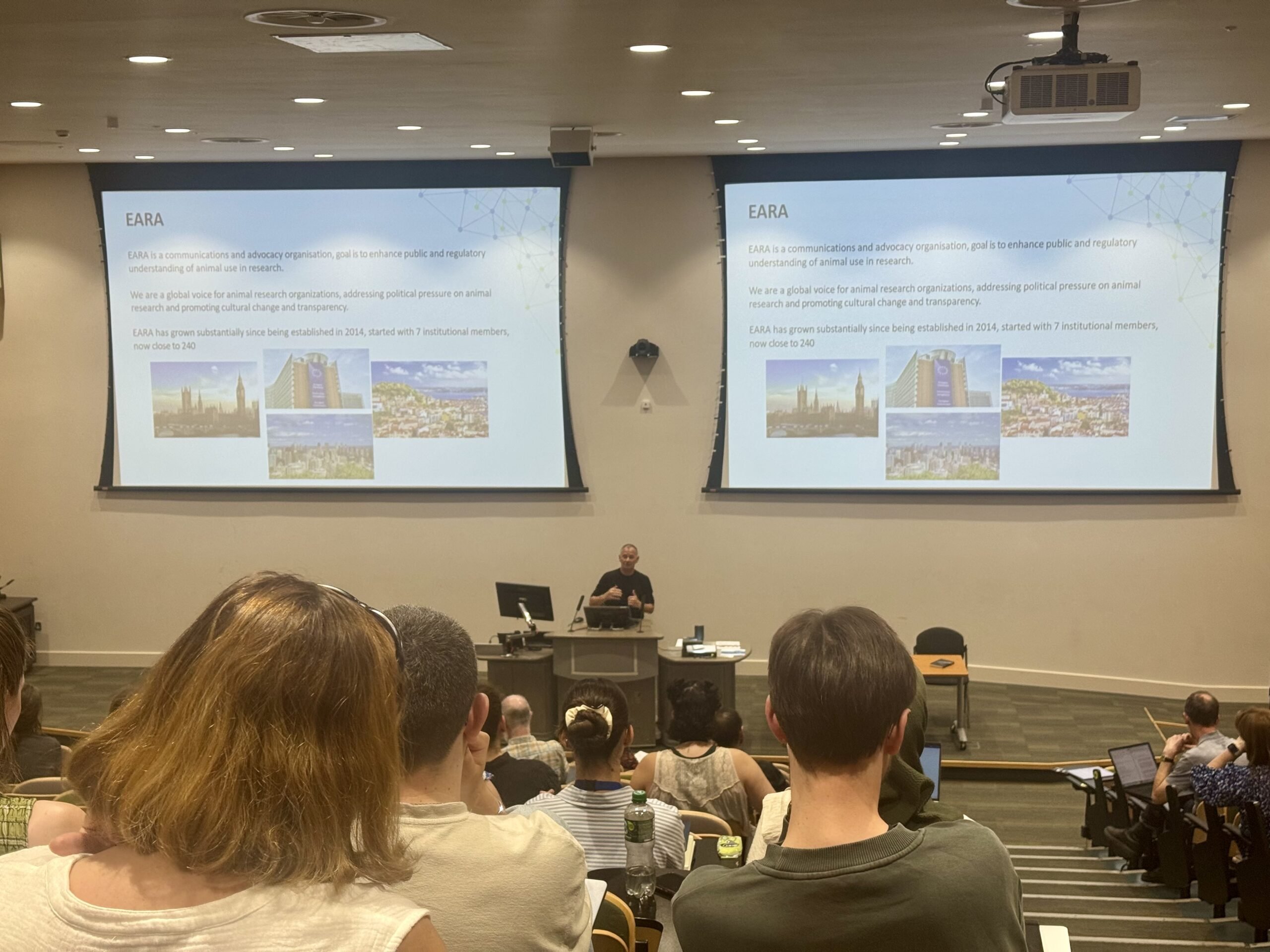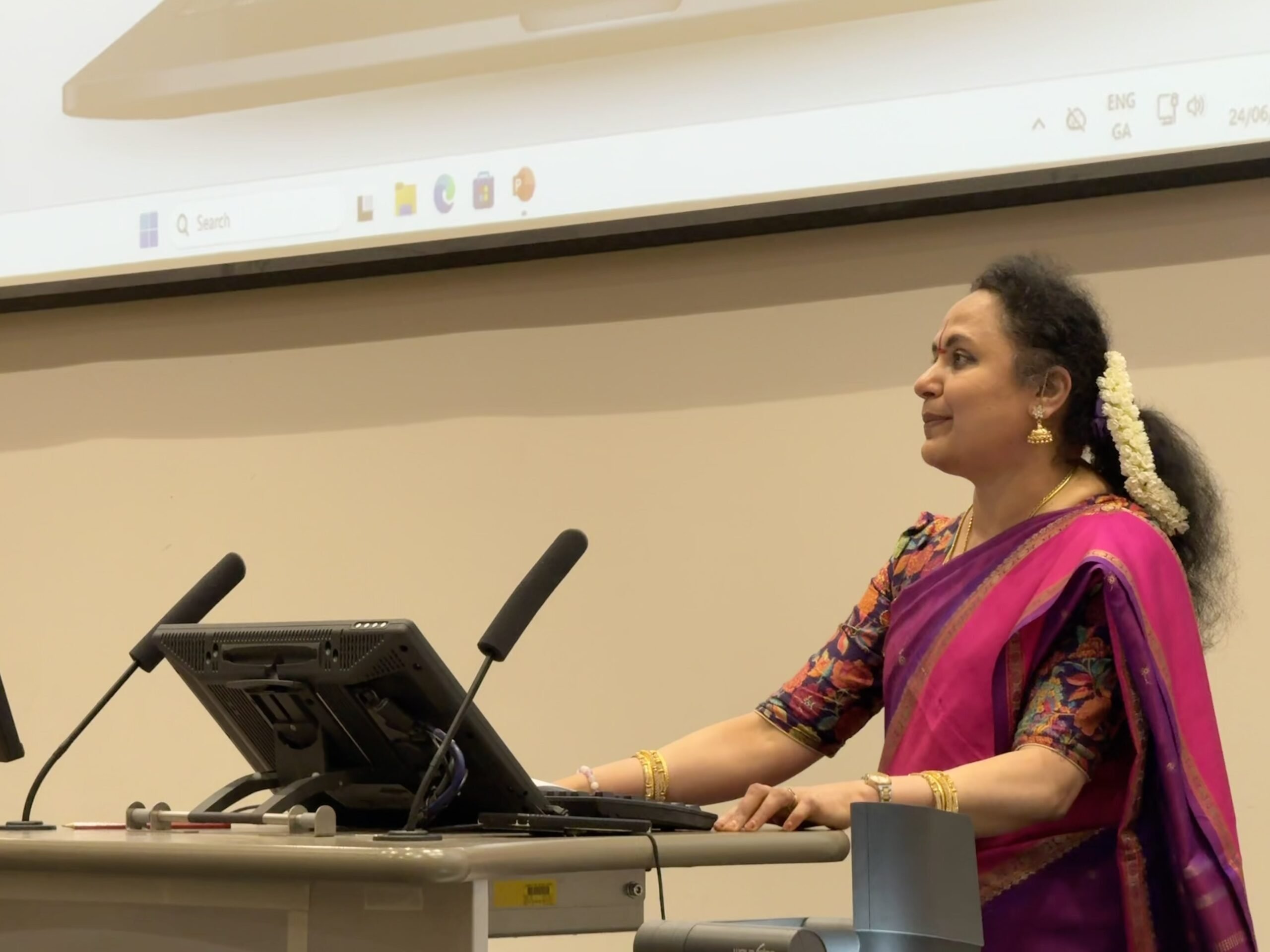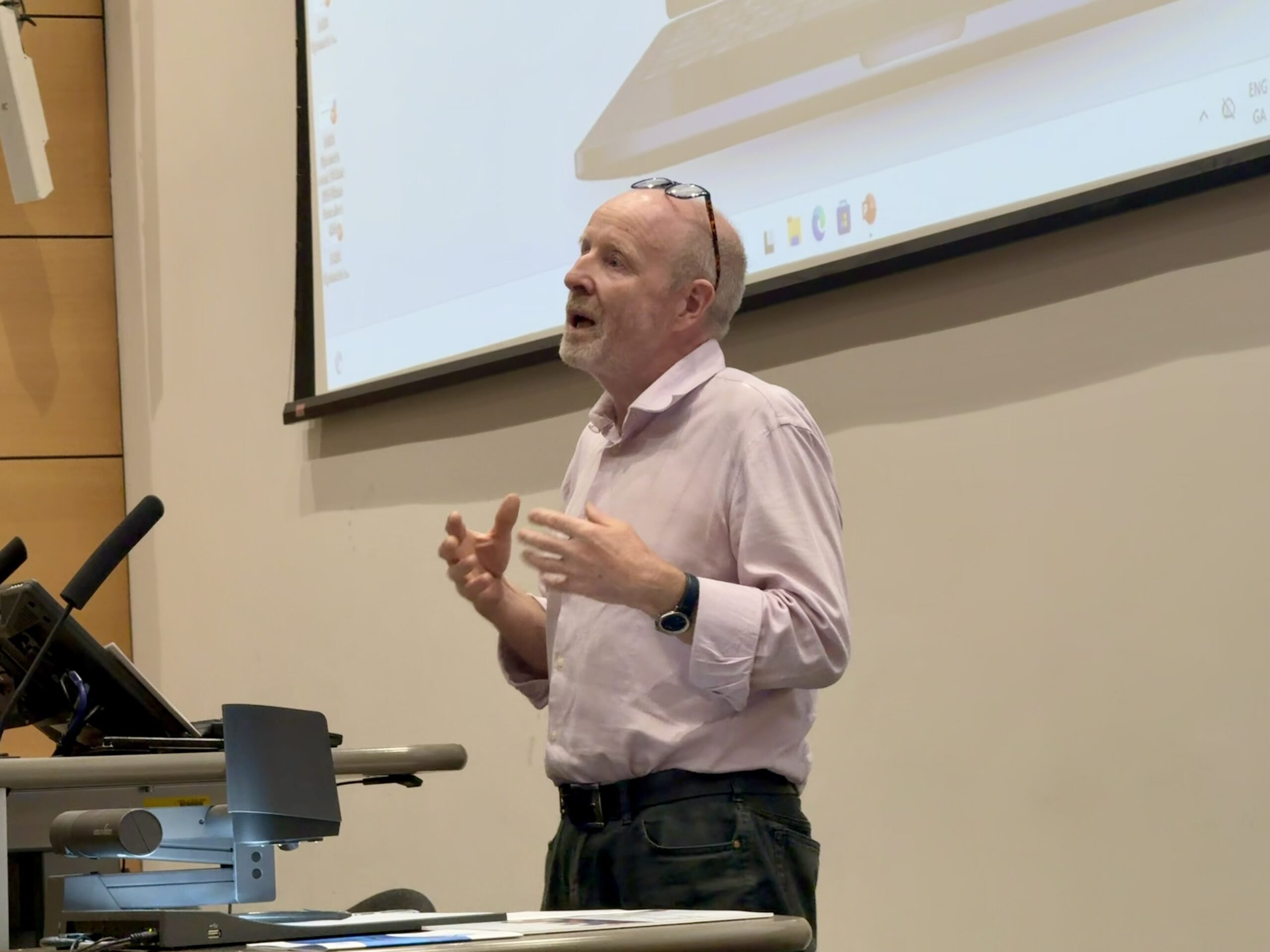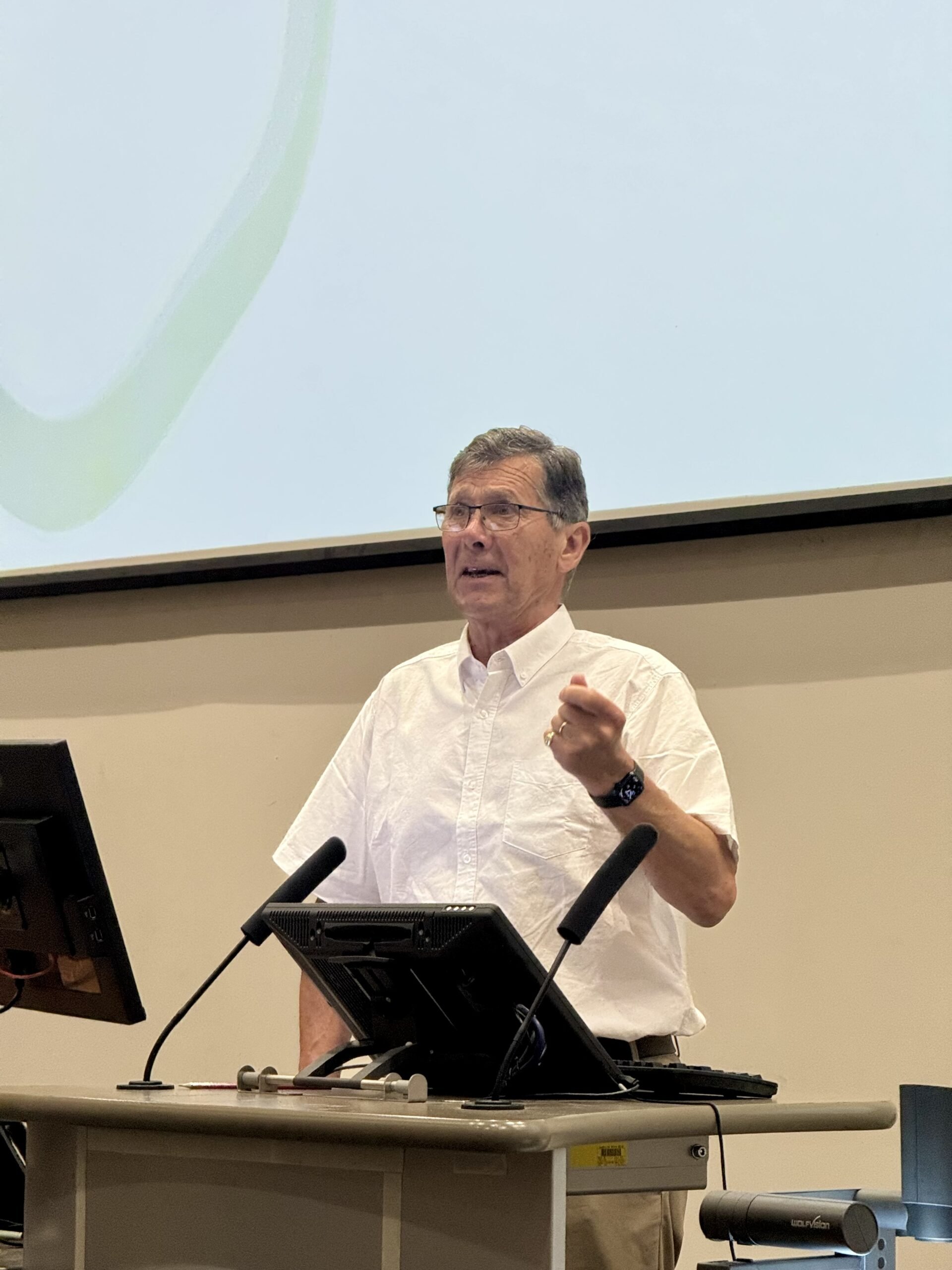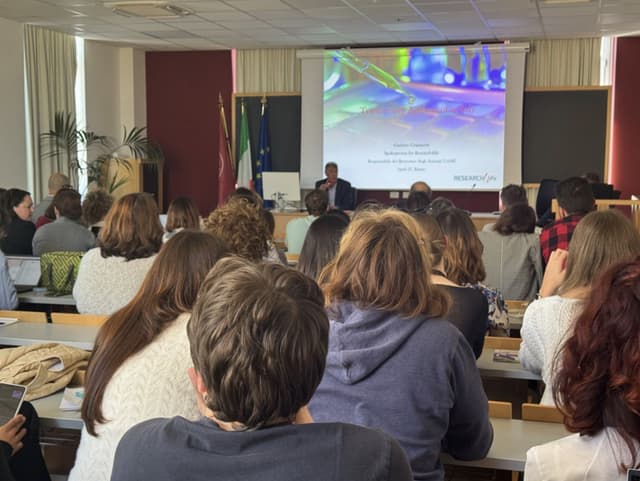
The European Animal Research Association (EARA) and EARA member Trinity College Dublin (TCD) held the first in-person Openness Event in Ireland. It took place in Dublin on 24 June and drew over 100 registrants at the Trinity Biomedical Sciences Institute, including researchers, animal welfare professionals, veterinarians, research support and communications staff, and students to discuss how communications about animal research in Ireland can become more open, proactive and effective.
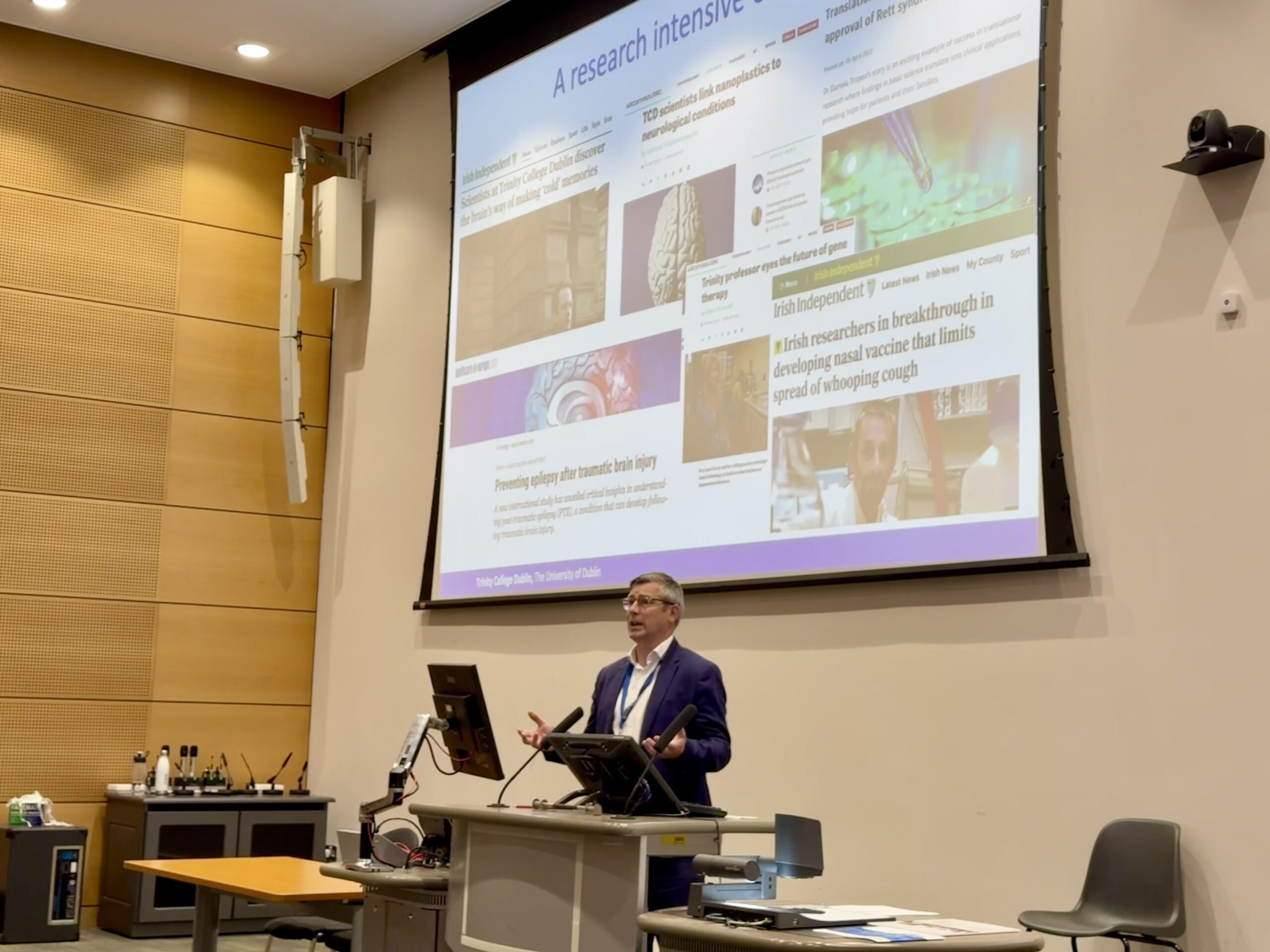
The workshop-like event opened with a welcome address from Laavanya Parthasarathi (TCD), followed by Mark D’Alton (University College Dublin, UCD, also an EARA member), who discussed the current state of development of the Irish Transparency Agreement. Peter Nowlan (Laboratory Animal Science and Training Ireland and TCD) examined how attitudes and practices regarding transparency in animal research have evolved historically and how some past mistakes still affect public trust.
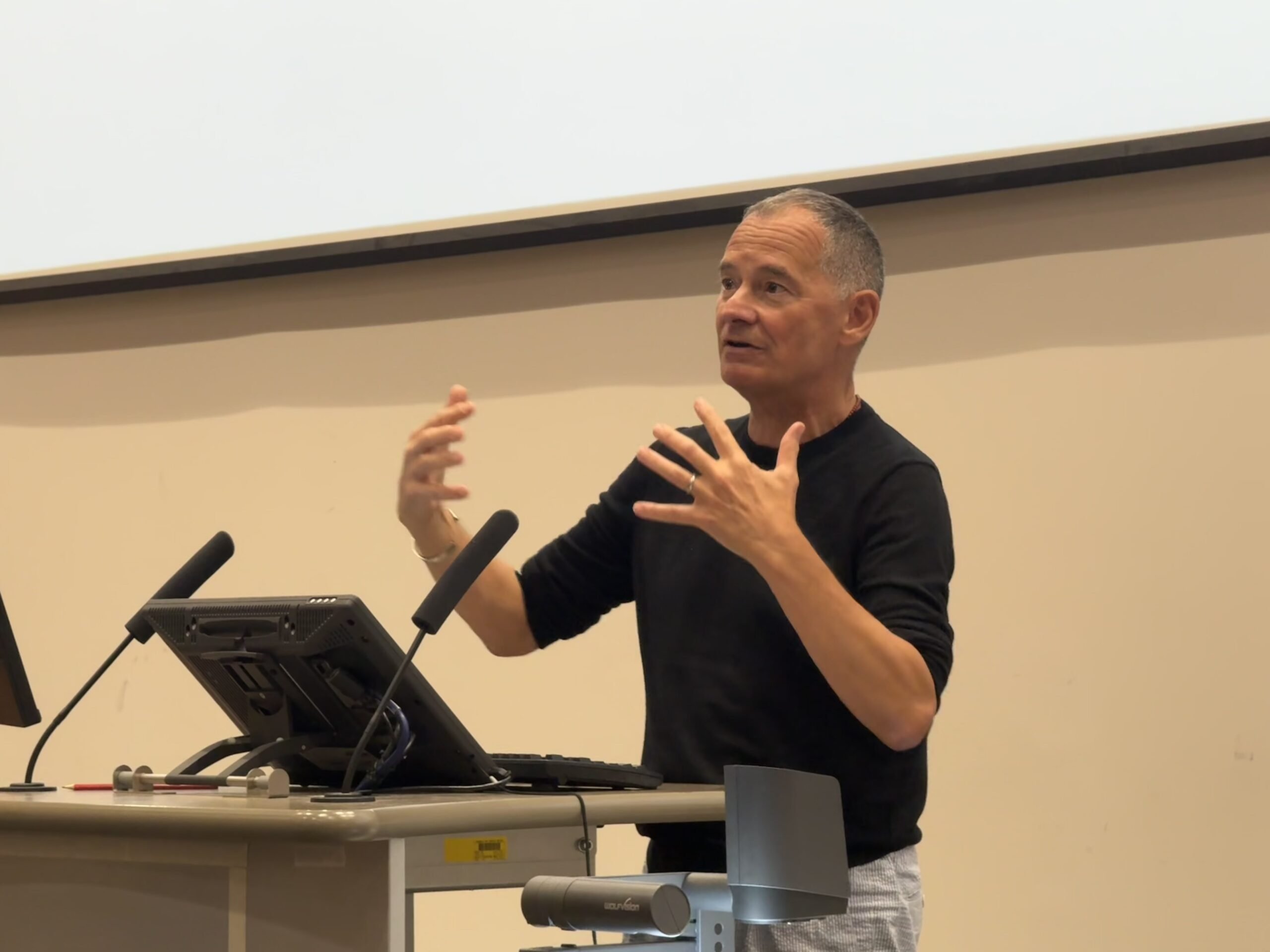
Kirk Leech (EARA) addressed the broader cultural shift in animal research, focusing on the relationship between transparency, public trust and understanding. He explained why institutions need to communicate proactively about animal research, namely by entering into Transparency Agreements, rather than responding only when their work becomes controversial or is misrepresented. Mark Cunningham (TCD) presented his own approach as a neuroscientist to openness in animal research, sharing details on the reliance of his research on epilepsy in animals and how integration of New Approach Methodologies (NAMs) is already being done, but must be driven by scientific progress, or medical discoveries risk being delayed.
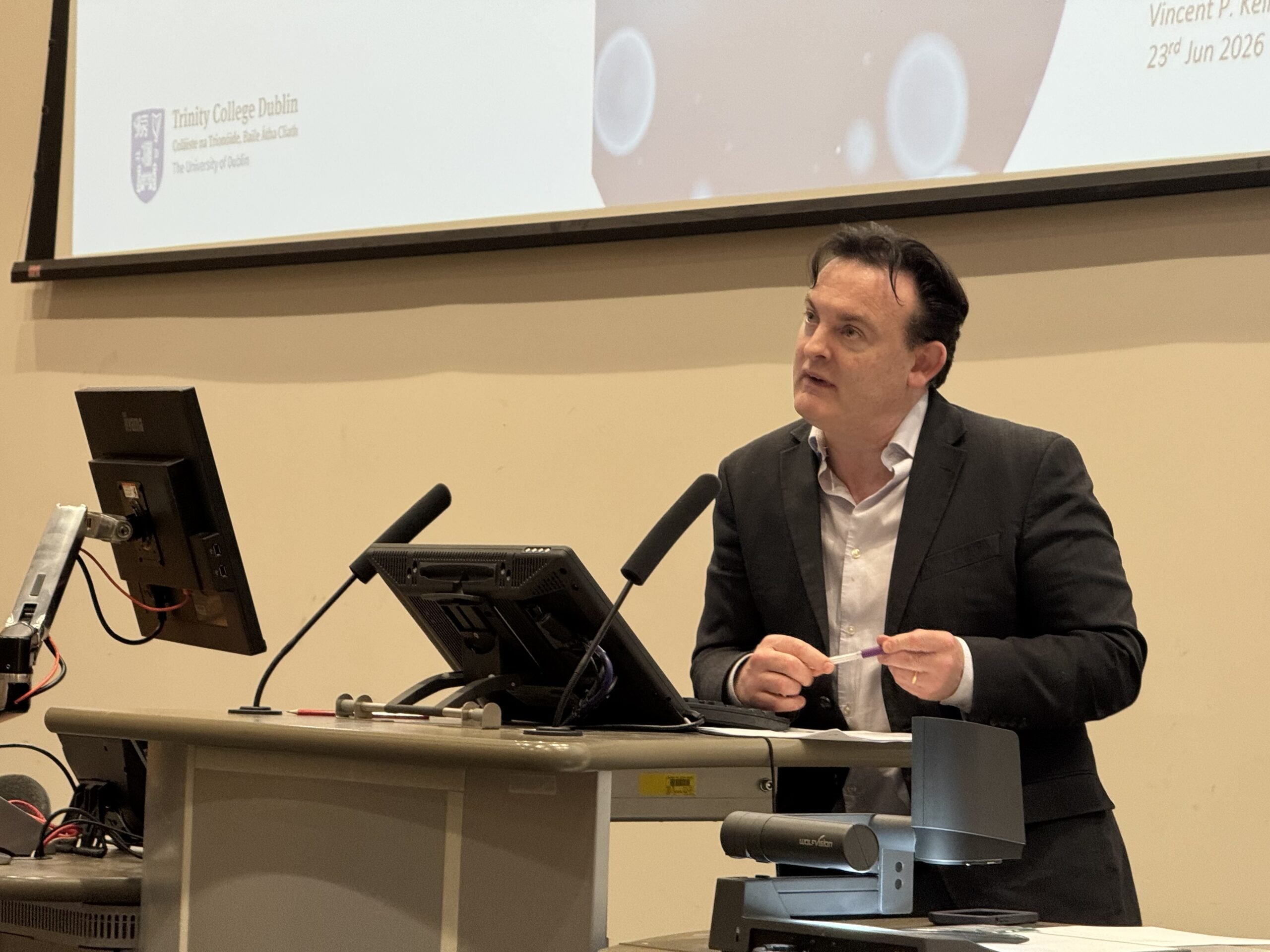
Vincent Kelly (ARC Hub for Therapeutics) discussed why openness is particularly important for next-generation animal research within Ireland’s biopharmaceutical and life sciences sector. His presentation explored the use of state-of-the-art technology in both animal and NAMs studies, and how their complementarity is what is pushing science forward. Nuno Miguel Gonçalves (EARA) presented EARA’s patient engagement work and wider outreach activities in the Patient Discovery Project and how it has grown exponentially over the past few years due to the new perceived importance of patient voices in politically-charged scientific decisions on what methodologies should and should not be used and how that affects them directly.
The presentations were followed by a panel discussion involving all speakers. One of the major topics was the importance of Transparency Agreements for institutional openness and public-facing information on animal research, and how Ireland can move faster on this by involving more stakeholders and being more proactive at the grassroots level. The discussion further explored how institutions need to counteract risk-averse, reactive communication and be proactive in proudly showcasing how they conduct their research, starting internally and then inviting external stakeholders to increase public trust in the institution itself and in biomedical research more broadly.
The issue of NAMs was also a hot topic, with speakers expressing concern that these are being presented publicly as true alternatives when the science is not there yet, risking the loss of the aforementioned trust in science among different sectors of society. This includes patients, who are a highly informed audience and need to be shown the limitations of the scientific process, including both animal research and NAMs, as it can create false expectations about immediate treatments and new therapies. Participants discussed the barriers that can prevent researchers and institutions from speaking openly. A recurring message throughout the event was that openness should not focus only on defending animal research. Institutions should explain how scientific decisions are made, why particular methodologies are chosen, along with their limitations, and how animal welfare is protected.
EARA will continue working with TCD, UCD and all our Irish EARA members to support greater transparency, strengthen communication capacity and encourage constructive public discussion about the role of animals and alternative methods in biomedical research.