
Researchers in the US have investigated the effects of the hallucinogenic drug psilocybin in parallel across five laboratories and identified that, while short-term effects are robust, persistent changes are inconsistent, highlighting how multisite collaboration in research is a valuable tool to improve reproducibility in science.
Psychedelic drugs, including psilocybin, a molecule found in “magic mushrooms”, are promising candidates to treat conditions such as depression and post-traumatic stress disorder. However, the complexity of the response to hallucinogens and conflicting results in both humans and animals have hindered their therapeutic use.
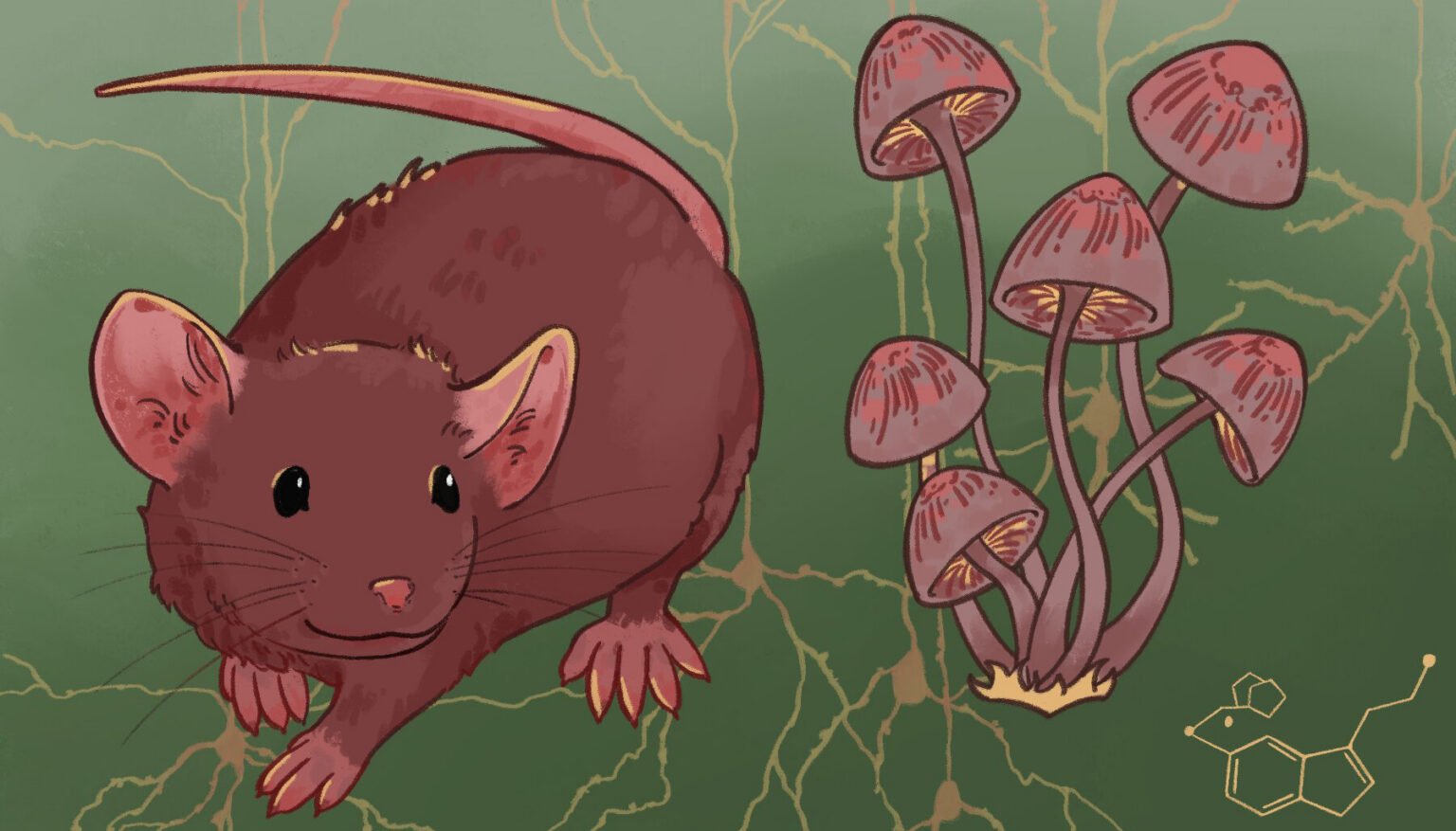
To understand which effects of psilocybin are robust, five teams across Stanford University, University of California San Francisco and University of California Berkeley, California, performed the same behavioural experiments in mice that had received a single injection of the same dose of the psychedelic drug. By pooling the results of the five experiments, they found that the mice displayed a robust increase in anxiety and avoidance behaviour 10 minutes after drug administration and a decrease in fear response. However, 24 hours after the treatment the researchers found no consistent effects on anxiety, depression-like behaviours, fear response or social interaction. The differing outcomes were traced back to differences in the sex of the animal caretaker, how long the mice had been acclimatised to handling before the experiments, where the animals had been purchased from, the size of the experimental enclosures and the time of day psilocybin was administered.
"The broader story is the importance of building reproducibility into psychedelic research from the outset,” said Stephan Lammel, UC Berkeley researcher and head of one of the labs involved in the study published in Nature Neuroscience. "Mouse studies inform our understanding of how psychedelics might work therapeutically, so establishing which findings hold up across labs is essential. Our collaboration across Berkeley, UCSF and Stanford puts this principle into practice and offers a model that could extend to other areas of basic research."
CREDIT: Angela Shang, Nautiyal lab, Dartmouth College