
Research from Brazil and Germany has developed a new vaccine approach that protected mice against chikungunya after a single dose and could potentially be adapted to target other viruses.
Chikungunya is a mosquito-borne viral disease that causes fever and severe joint pain and has been reported in over 110 countries. There is no vaccine, and treatments exclusively address symptoms.
Research from the University of São Paulo (USP) and the University of Bonn genetically modified the chikungunya virus to trigger an immune response upon infection while preventing further cell infection, a challenge in traditional attenuated-virus vaccines.
In mice genetically altered to be particularly vulnerable to viral infections, a single dose protected against an otherwise lethal chikungunya infection. When tested in mice with a normal immune system, it reduced virus levels in the blood and swelling in the feet—a sign of the joint inflammation caused by chikungunya. The modified vaccine also produced antibodies capable of neutralising Mayaro virus, a related mosquito-borne virus.
Danillo Lucas Alves Esposito, from the University of São Paulo and the University of Bonn and first author of the study published in npj Vaccines, said about the vaccine: “It’s an interesting platform. Now, in addition to moving forward with clinical trials, we’re interested in using this vaccine platform for other arboviruses.”
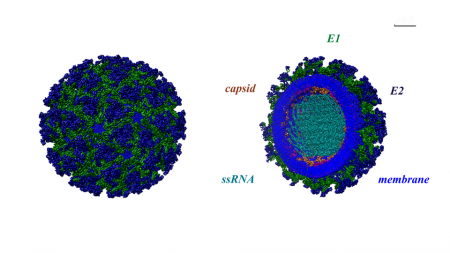
Chikungunya virus. CREDIT: Victor Padilla-Sanchez/Wikimedia Commons