Patients, patient advocates and researchers came together at two EARA Patient Discovery Days held in Madrid and Elche, where they explored how biomedical research is advancing the understanding and treatment of different conditions while discussing the role of different methodologies, including the responsible use of animals and new approach methodologies.
The Discovery Days form part of EARA's wider Patient Discovery Project and Patient Network, initiatives that aim to strengthen dialogue between researchers and patients while supporting informed public discussion about biomedical research and its role in improving human health.
In Madrid, EARA partnered with the patient association Fundación Freno al Ictus, the Instituto de Investigación Biosanitaria Hospital Universitario 12 de Octubre and EARA member Universidad Complutense de Madrid to bring together stroke survivors, patient representatives and scientists who presented their work on brain repair after stroke, stem cell-based therapies and the effects of ageing, diabetes and obesity on recovery. Participants also visited an advanced imaging facility, where they saw how technologies similar to those used in patient diagnosis are employed to study stroke in mice and rats and to develop new therapeutic strategies.
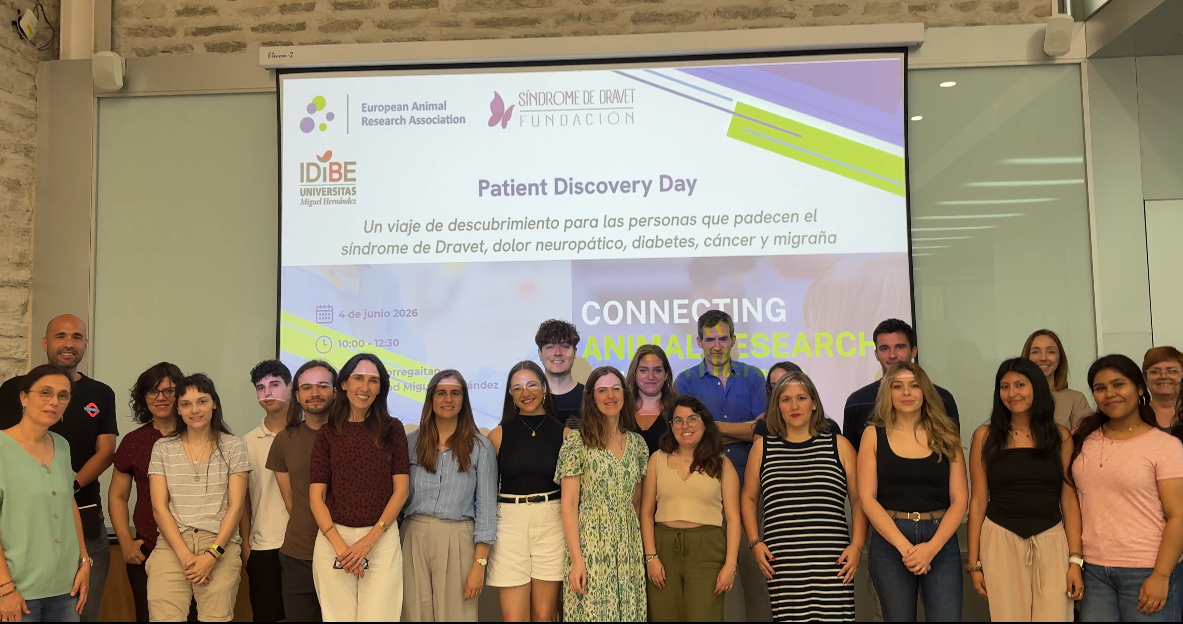
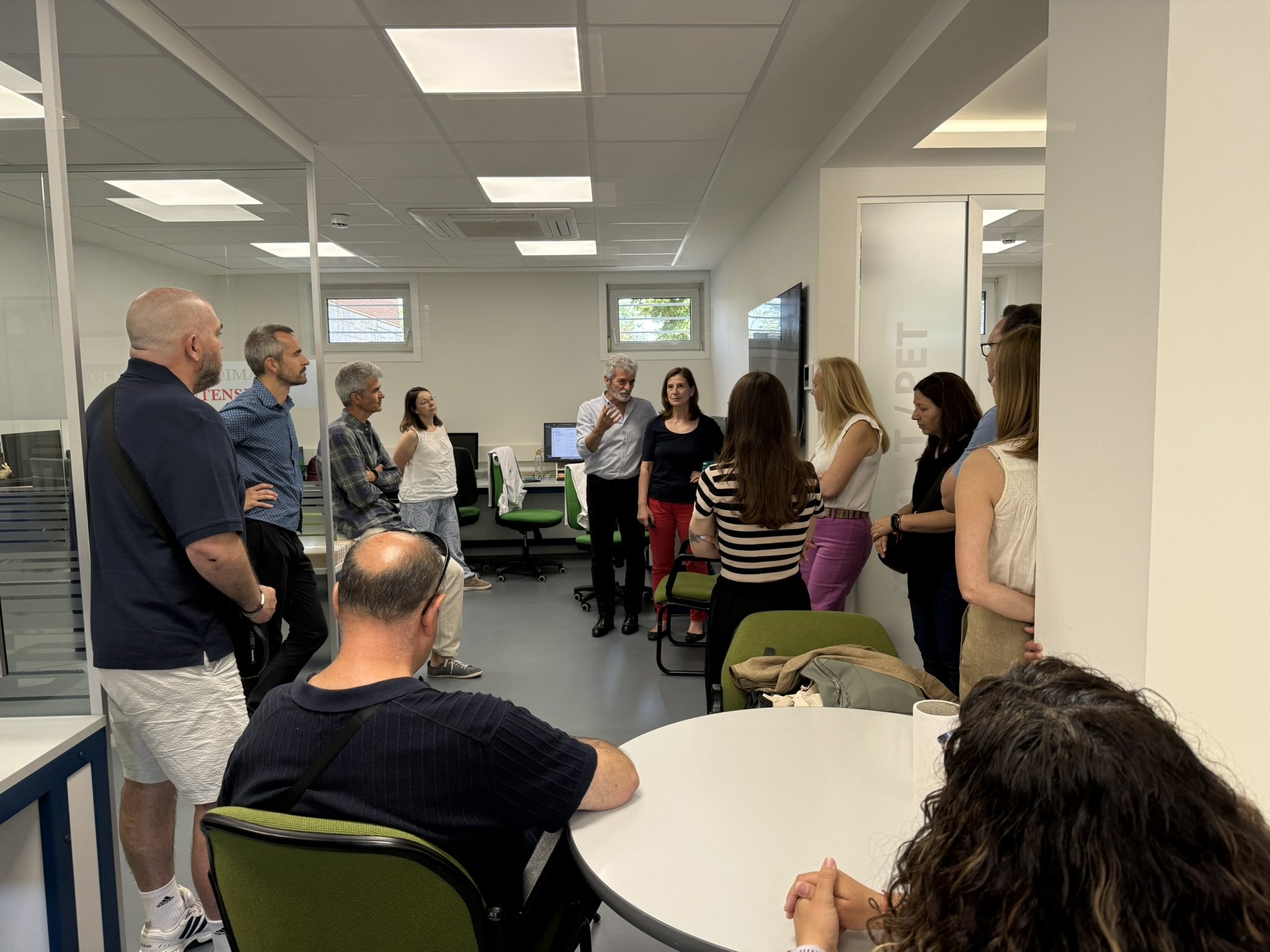
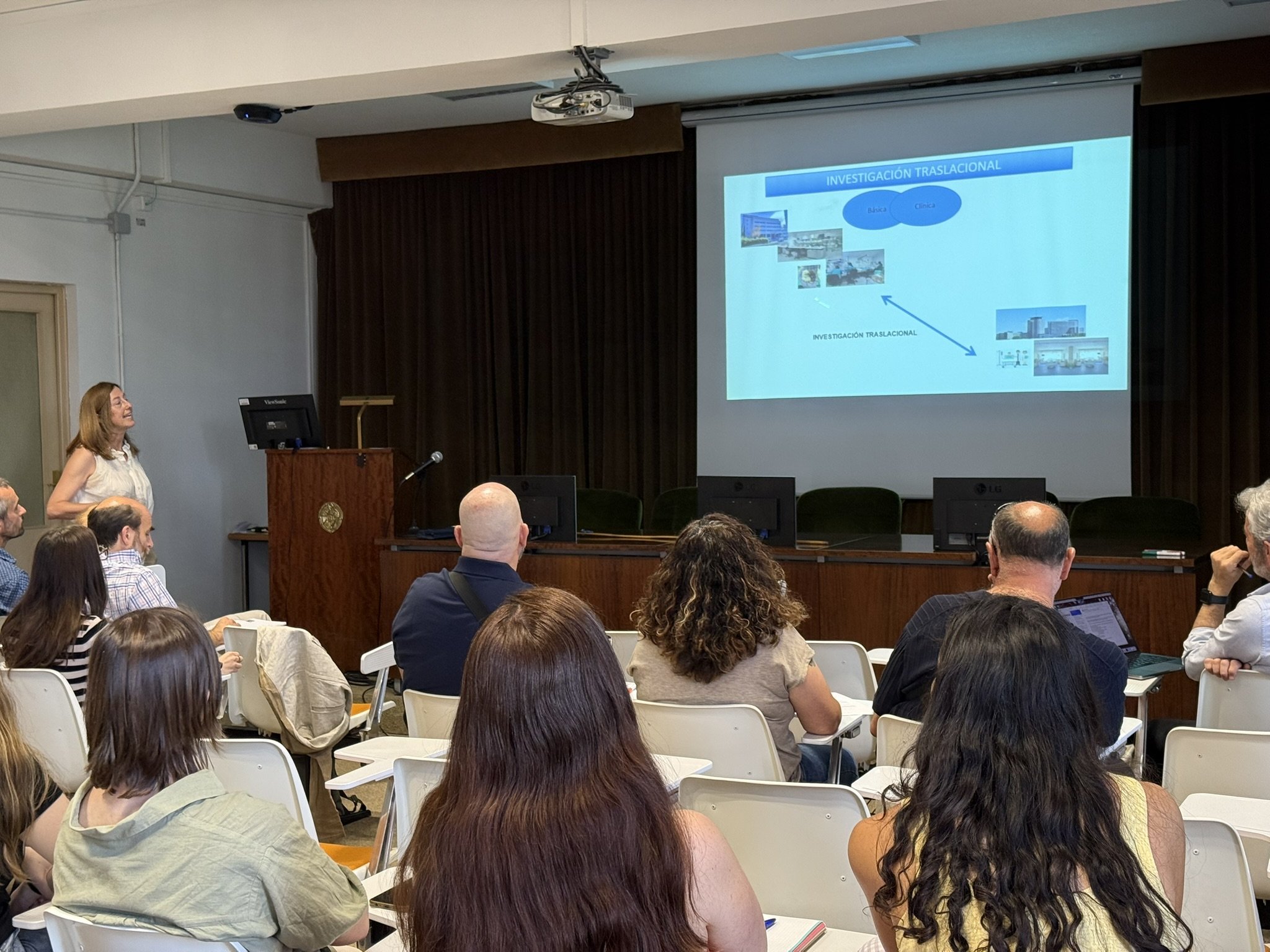
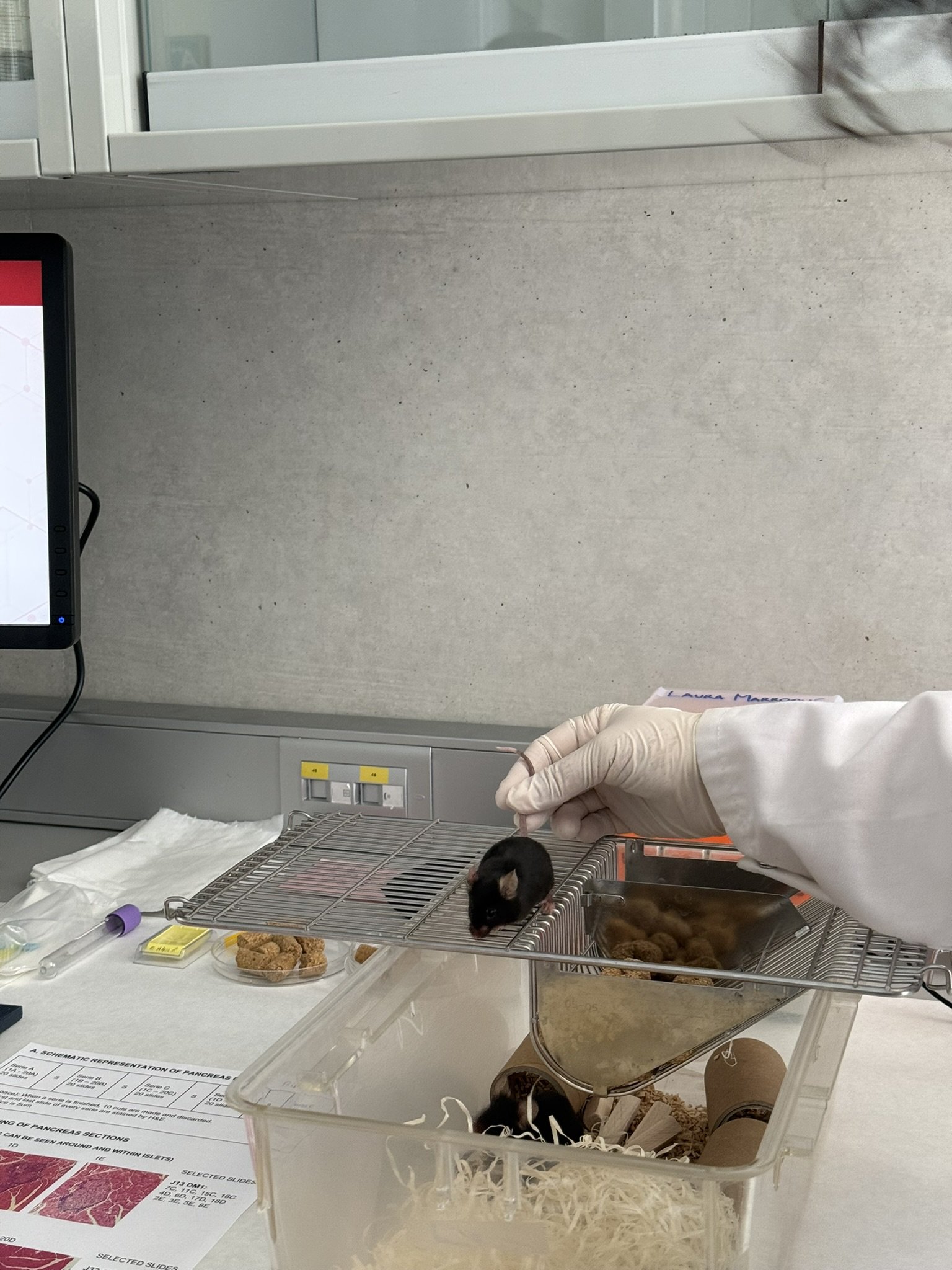
Meanwhile, in Elche, the event was hosted by the Instituto de Investigación, Desarrollo e Innovación en Biotecnología Sanitaria de Elche (IDIBE), in collaboration with the Fundación Síndrome de Dravet. Participants learned about research into migraine and chronic pain, type 1 diabetes and vaccine development. Researchers explained how animal studies contribute to investigating disease mechanisms and evaluating potential therapies when alternative methods cannot yet answer these questions. Visitors also toured laboratories dedicated to Dravet syndrome research, demonstrating how patient organisations can actively contribute to biomedical research.
“As researchers, our daily work finds its real meaning when it connects directly with the people living with the diseases we study,” said Antonio Ferrer Montiel, Director of IDIBE.
“It is wonderful that research can help people living with diseases by using animals, cells or whatever methods are necessary to ultimately reach a goal that benefits us all,” said Natalia Casado Jover, participant and caregiver of a child with rare disease.