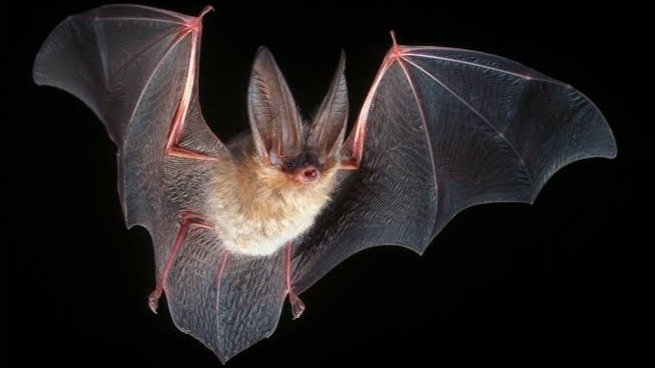
A study in the US has found that a small genetic change can alter how coronaviruses interact with the immune system, helping explain why some viruses remain in bats while others can infect humans.
Most pandemics begin when viruses spread from animals to people. Many scientists believe this is how COVID-19 emerged, but the changes that allow animal viruses to infect humans remain poorly understood.
Researchers at the UCSF Quantitative Biosciences Institute and Icahn School of Medicine at Mount Sinai compared the virus that caused the pandemic, SARS-CoV-2, with RaTG13, a closely related coronavirus found in bats. Using human and bat lung cells, they found that a protein responsible for helping the virus evade the host’s immune system, Orf9b, differed by just one amino acid — one of the small molecules that make up proteins.
This tiny difference changed how the virus interacted with the immune system. In human cells, the SARS-CoV-2 version switched off an early antiviral defence, allowing the virus to multiply more easily. In bat cells, the RaTG13 version instead activated a response that helped keep the virus under control. Swapping this single amino acid between the two viruses was enough to reverse these effects, confirming that this tiny genetic change acts as a switch that influences how the virus interacts with its host.
“The difference between a virus that stays in bats and one that spills over into humans and causes catastrophic disease can come down to remarkably small genetic changes. By mapping these interactions at the protein level, we can read the molecular signatures that predict spillover risk,” said Nevan J. Krogan, from UCSF Quantitative Biosciences Institute and lead author of the study published in Cell Host & Microbe.